Freestone · Volcanic · Norðurland vestra / Húnaþing, IS

Víðidalsá

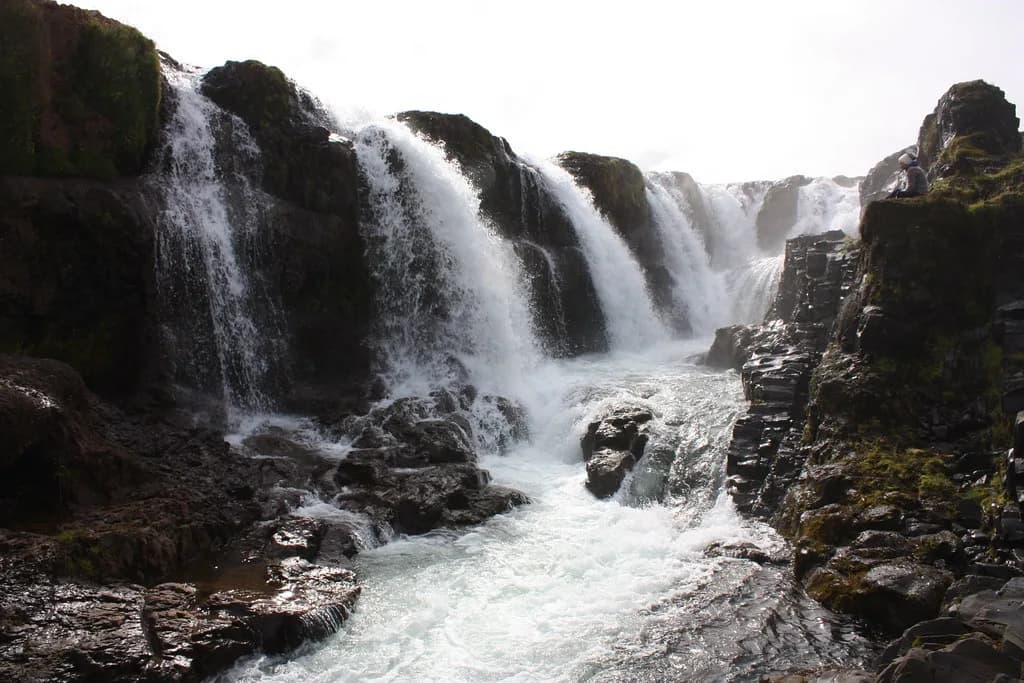
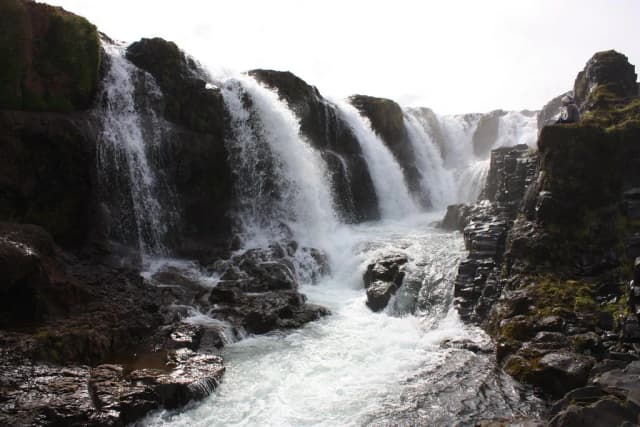
A wide multi-tiered waterfall on the Víðidalsá river crashing into a dark basalt gorge in Iceland.

A major north-west Iceland salmon river with a broader mixed-salmonid character.

Today · Decent — worth a look
Black Midge
Forecast · Today
Decent — worth a look
A patient day. Cover water properly.
50% projected
Today's fly
Black Midge
Black Midge
Conditions on the water · Today
Estimate
Level
Dry recently
No gauge reading
Water temp7.8°C
ClarityClear
Weather9°C
WindN 19 km/h
Pressure1005 hPa
Rain · recent0.0 mm
Rain · ahead4.1 mm

No gauge on this water — readings are regional estimates from weather, not a live gauge.

Water temperature for Atlantic Salmon
Cool — slow
8°C est.ideal 1016°C
0°14°28°
How to fish it · for Atlantic Salmon
When
Morning into early afternoon.
Where
Pool tails, steadier runs, and any water with pace.
Method
Fish a sensible line-and-fly combination for the height and pace of water.
Kit
13 ft #8/9 double-hander in spate, 10 ft #8 single in low water. Floating line plus a fast-sink tip. 12–15 lb fluoro tippet.
Why this works
Fair — water clarity is working for you, but time of day is the limiting factor today.
Hatch timeline · todayPeak at 10am

12pm(now) Black Midge

Stage: On emergersApproach: Emerger or dryActivity: 77%
Also:Autumn Needle Fly46%Arctic Cased Caddis31%
Peak emergence window5 food groups active

Peak activity at 10am — Black Midge (Black Midge, Peak emergence window)

Sub-surface · on the nymphunder the surface

Hatch predictions

See the full sub-surface read with Pro.

Start free trial

14-day free trial. Cancel anytime.

Evidence
Records-basedModerate confidence

Based on species-occurrence records, not local invertebrate surveys.

Through the year
0–3 scale · September highlighted
J
F
M
A
M
J
J
A
S
O
N
D
Nordic SpringflyHatch
2
3
3
2
Ladoga CaddisHatch
2
3
2
Evening SedgeHatch
2
3
3
3
2
Arctic Cased CaddisHatch
1
2
2
2
1

Numbers are intensity 0 (none) to 3 (peak) — a guide, not a guarantee.

Ranked for today
Atlantic Salmon fly box
Beats · 3

There is no universal Icelandic fishing licence — rights are water-specific and rod numbers strictly controlled. Víðidalsá is a classic north Iceland big-fish river — the average salmon an unusually heavy four kilos, ten-kilo fish landed every year — fished by just eight rods over four 2-rod beats, three on the main river and the fourth on the spawning tributary Fitjá, across roughly 38 km and a hundred-plus named pools. Low rods over long water make availability scarce and access a multi-day lodge package, not a day ticket; 'where you fish' is assigned by rotation. Confirm the current eight-rod / four-beat structure, the role of Fitjá and the rotation map before relying on this.

Víðidalsá main lodge fisheryGuide / lodge
The core operation: a full-service lodge with a guided eight-rod allocation rotating through four 2-rod beats over the main river and the Fitjá tributary.
Main river beats 1–3Ballot
Three of the four beats sit on the main river — the core big-fish salmon water, including the dramatic Kolugljúfur gorge and Kolufoss.
Fitjá tributary beatBallot
The fourth beat sits on the Fitjá, the system's spawning tributary — a distinct branch-river beat within the same eight-rod allocation, not a separate fishery.
Permits & access
Permit required — see local rules.
  • Check current booking structure, beat allocation, and catch rules before fishing.
What's coming
Plan ahead
5-day outlook
Fishing better nearby · 3
Gallery · 2
  1. A wide multi-tiered waterfall on the Víðidalsá river crashing into a dark basalt gorge in Iceland.
    Kolugljúfur
  2. Terrain map of the venue
    Terrain map
About this water

A major north-west Iceland salmon river with a broader mixed-salmonid character. Volcanic bedrock underlies this river. Iceland's salmon are managed conservatively under operator and national rules — quotas, size limits and catch-and-release are widely applied; check the river's rules before fishing.

Under the surface

Víðidalsá threads the green, fertile valley of Víðidalur in north-west Iceland, between Blöndós and Laugarbakki, draining some eleven hundred square kilometres of farmland and fell. With its tributary the Fitjá it offers around fifty kilometres of water and more than a hundred named pools, the most dramatic cut through the Kolugljúfur — a kilometre-long gorge twenty-five metres deep, where the river thunders over the falls of Kolufoss. Elsewhere it runs clear and steady over volcanic rock through a lush, often dramatic dale. The river's reputation rests on the size of its fish: the average salmon is an unusually heavy four kilos, ten-kilo fish are landed every year, and the record book holds salmon past fifteen. Eight rods share four beats. Wading is generally secure on firm stone, with real care wanted along the canyon edges of the gorge.

Wading: Steep canyon edges at Kolugljúfur

Sea trout here

Summer-autumn runs, variable seasonal patterns by region

  • Volcanic
  • Mixed
  • Pool riffle
  • Step pool
Why this score · for Atlantic Salmon
  • Temperature3930% weight
  • Flow4525% weight
  • Clarity9520% weight
  • Feeding Time1515% weight
  • Pressure8510% weight
Directions
Seasons & zones
  • Char 1 May15 September

    Icelandic Arctic char (bleikja) — fishery permit controls all dates. Common season May–mid-September; exact dates issued per fishery permit. Resident lake char prime late May–mid-July; sea-run char (sjóbleikja) peak July–August. Always obtain the current fishery permit before fishing char in Iceland.

Sea trout: Variable seasonal (2026)

Related guides
Booking & contacts