
 Stoneflies
 Gammarids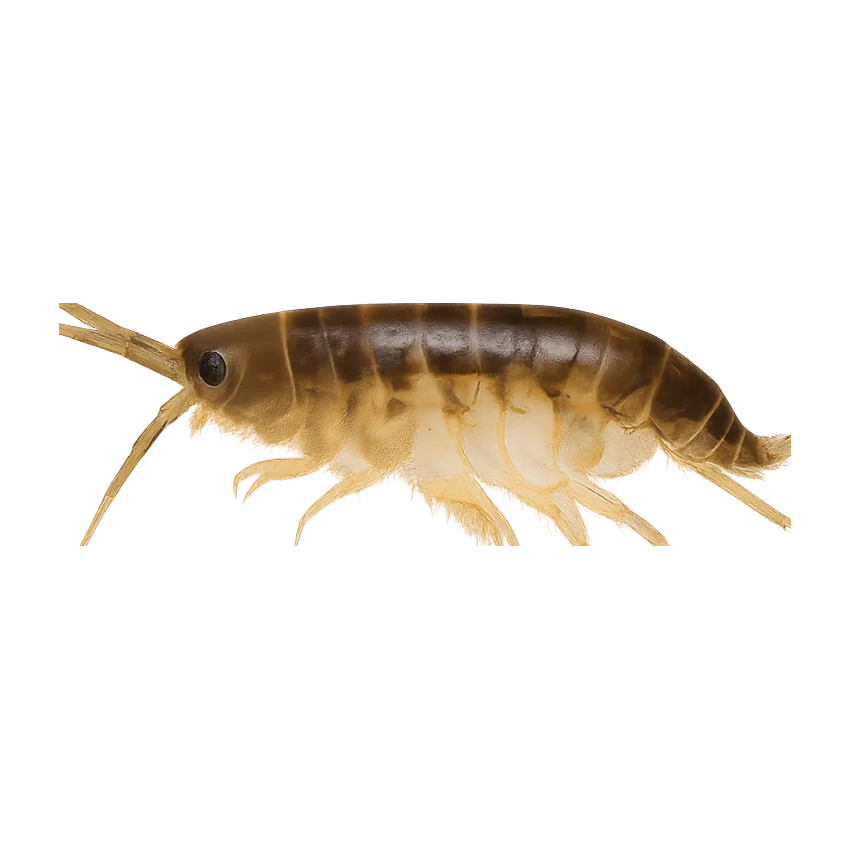
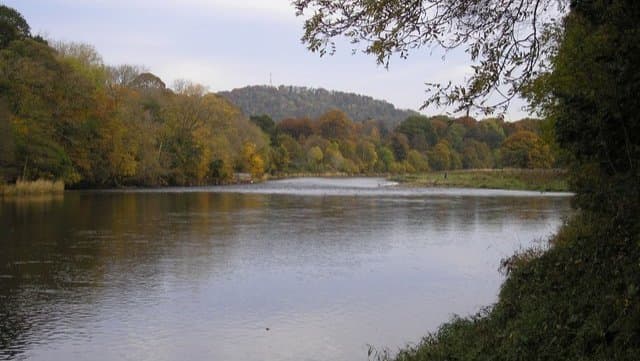
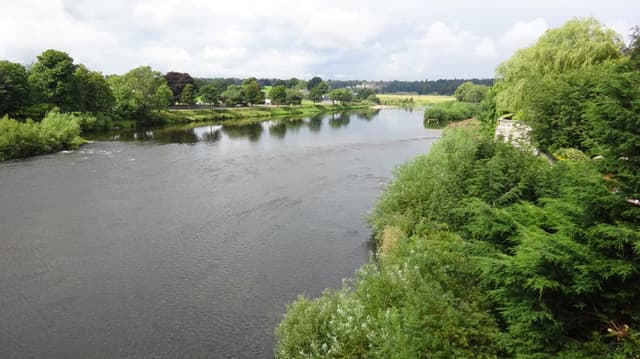
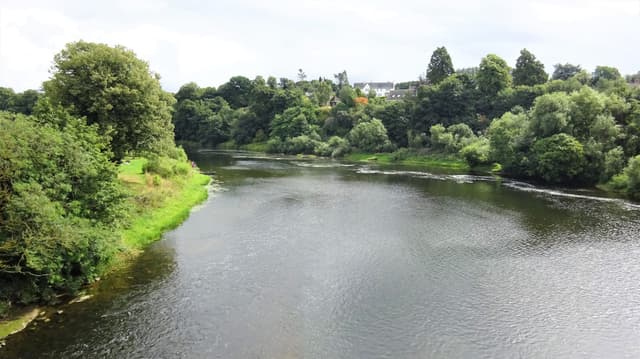
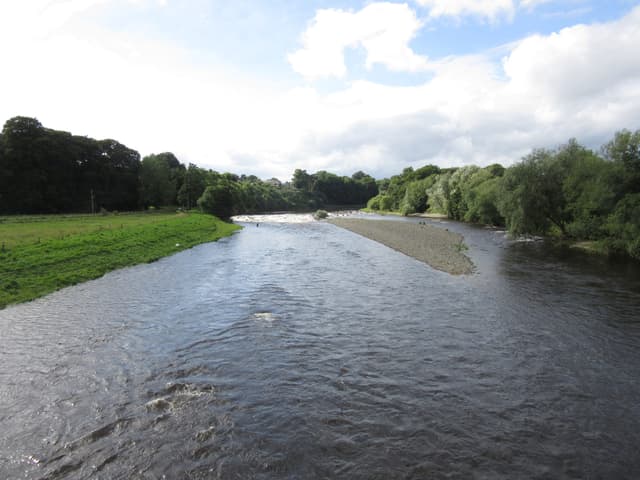
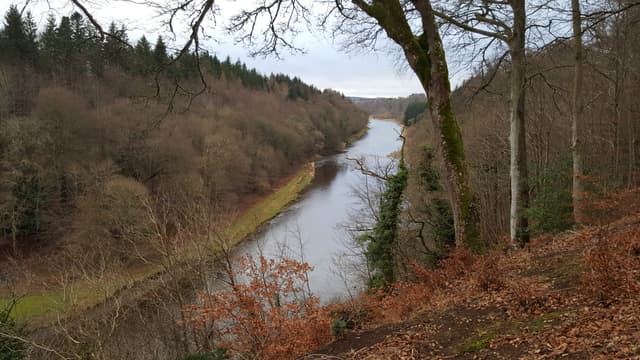
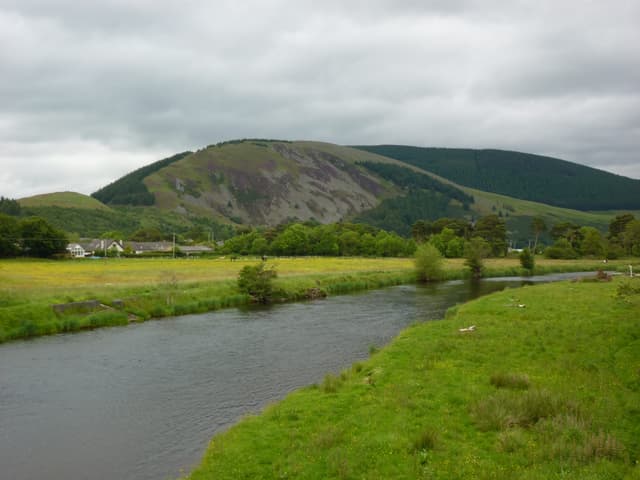
The Tweed is the river by which all British salmon fishing is measured, and a declining Category 3 salmon system that requires careful stewardship. Scottish Government classification reflects declining stocks — all salmon must be released unharmed. Historically, the Tweed produced over 20,000 fish per year (1990s–2010s); current abundance is notably lower. A long river, a long season. Spring salmon from February through May; grilse and summer fish peak June–July; heavy autumn runs October–November, when fresh fish move on rising water. The Tweed's mixed geology and immense catchment mean it fishes well as it drops after rain — look to the main pool system, fish them systematically, and expect steady takes on a sunk-tip line in spring, smaller doubles in summer. Multiple beats from Kelso to Berwick offer variation in length and character; mandatory catch-and-release applies throughout the season.
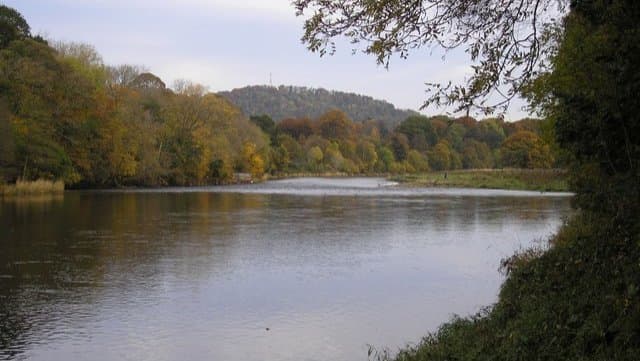
The Tweed enters from a horseshoe of old hills — Tweedsmuir, Minchmoor, the Lammermuir range — surrounding a bold central basin filled with soft rock and centuries of glacial drift. The river remembers everything that catchment has done to it. East of St Boswells the landscape opens where an ice stream once carved down through the countryside, and that old channel still shapes the Tweed — long meanders on clean cobble and gravel, point bars that shift with the season, and the particular sense of a river that has found perfect room to turn. Tributaries arrive from every quarter: Teviot from the south, Ettrick and Yarrow running parallel from wild moorland, Leader from the gentle east, Till and Whiteadder completing the network. Watch the banks after a falling spate — soft silt drapes collect on the inside of the bends, and that's where the character changes. The wading is secure and the rhythm is kind; the river isn't in any hurry. That's the Tweed's gift: time to think, time to notice, time to fish properly.
Wading: Soft silt drapes on inside bend point bars after falling spates
- Mixed
- Unconfined
- Pool riffle
- Run