 Mayflies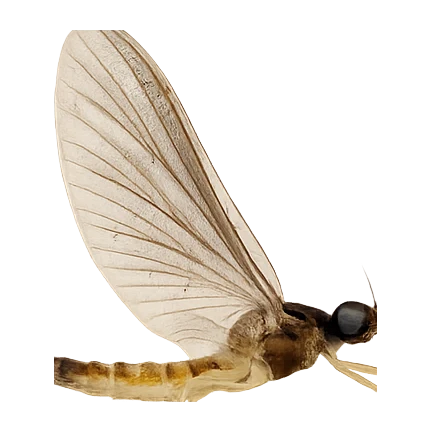
 Stoneflies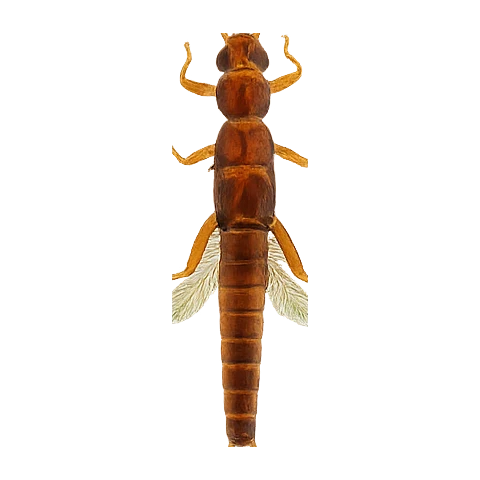
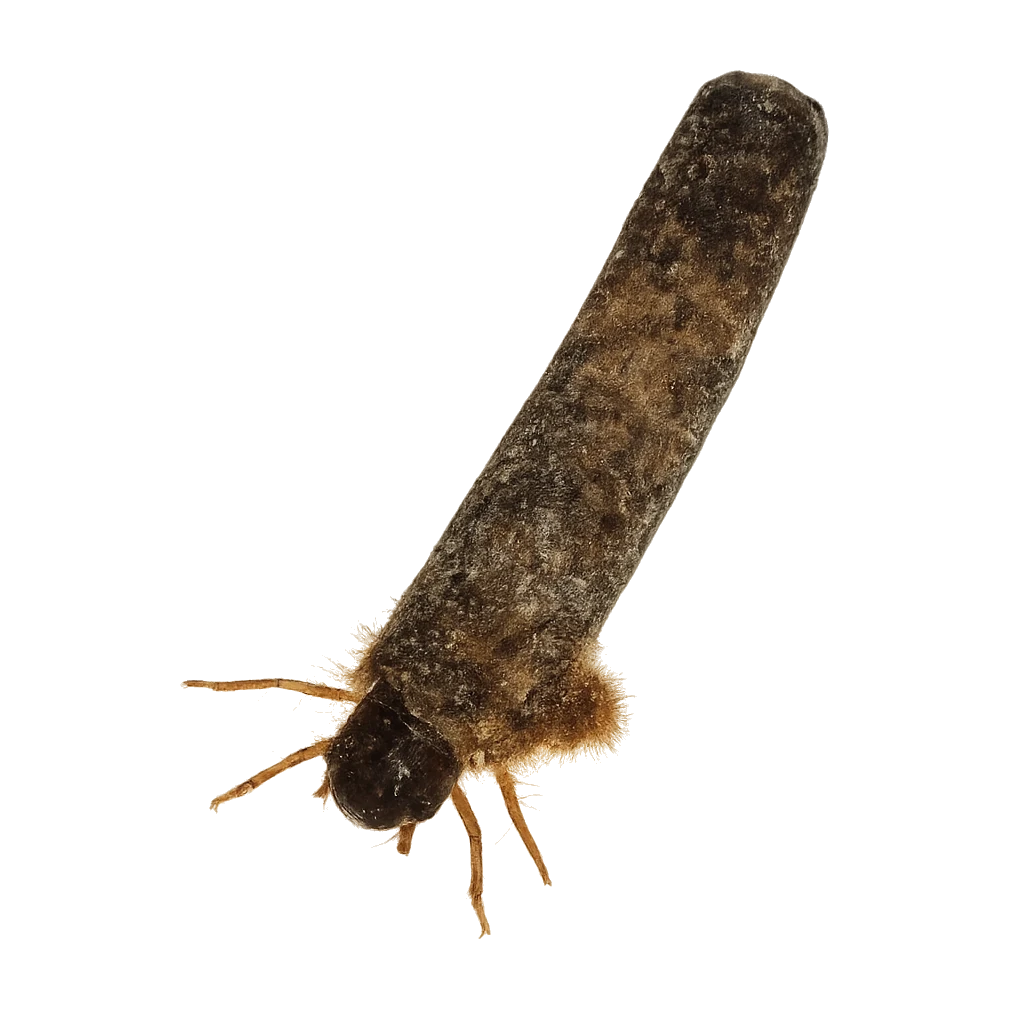
 Caddisflies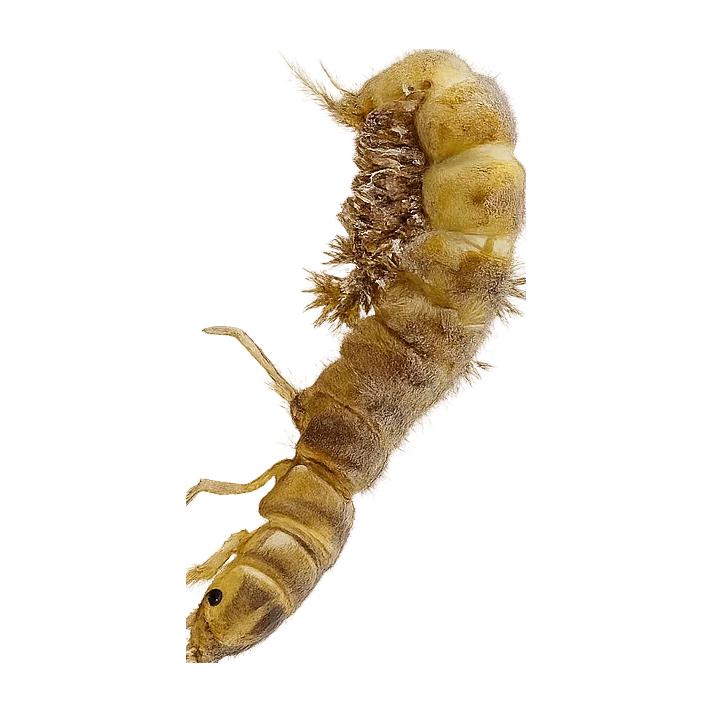
 Damselflies & dragonflies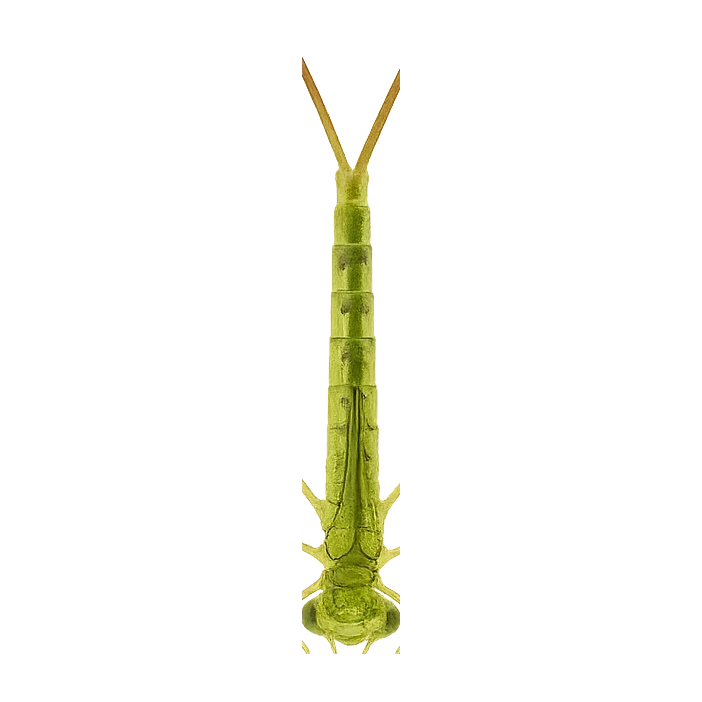

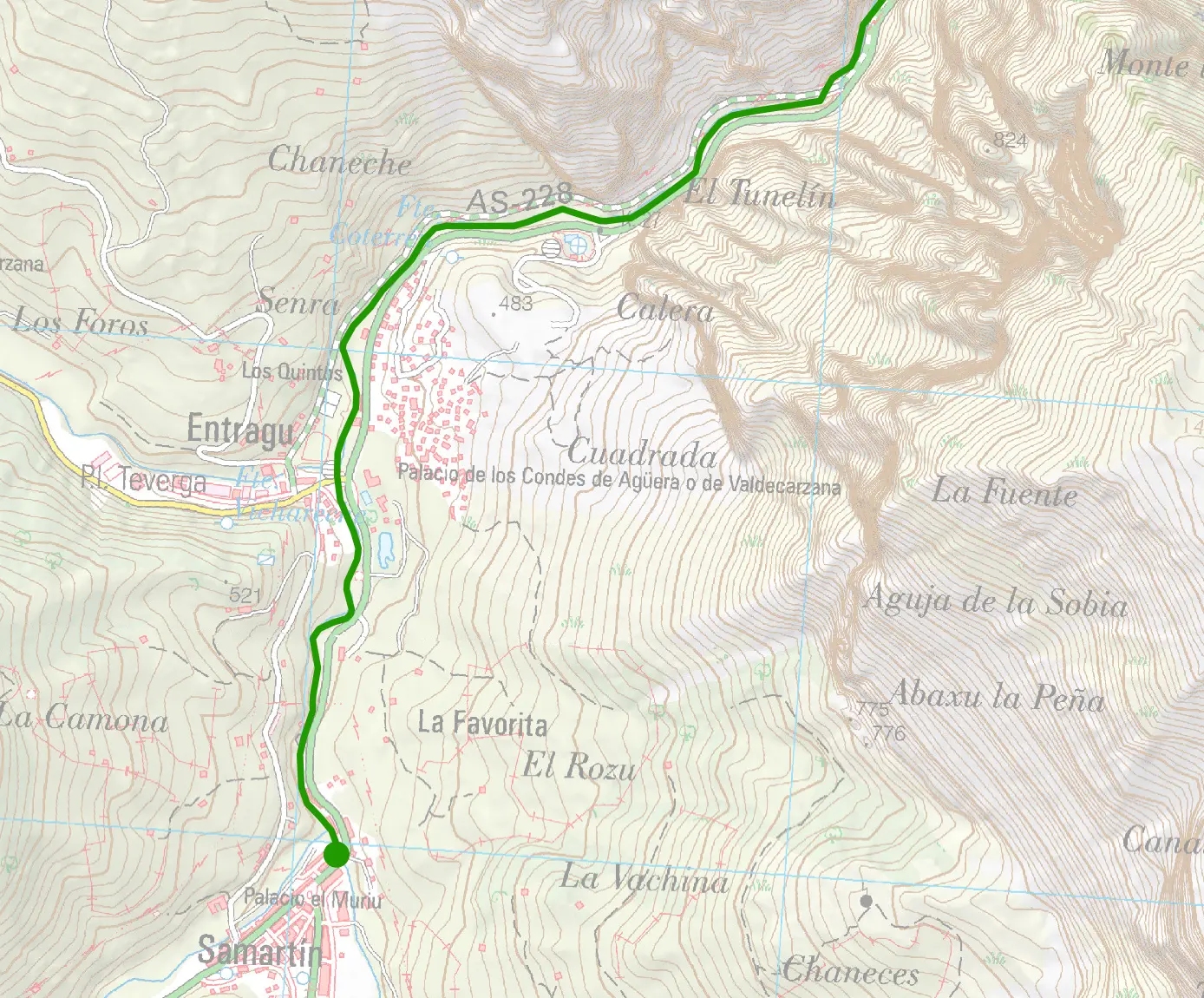
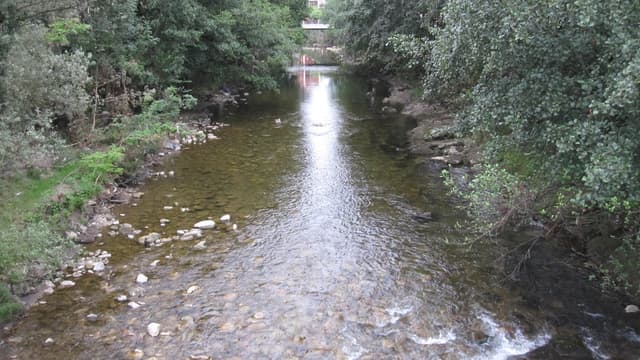
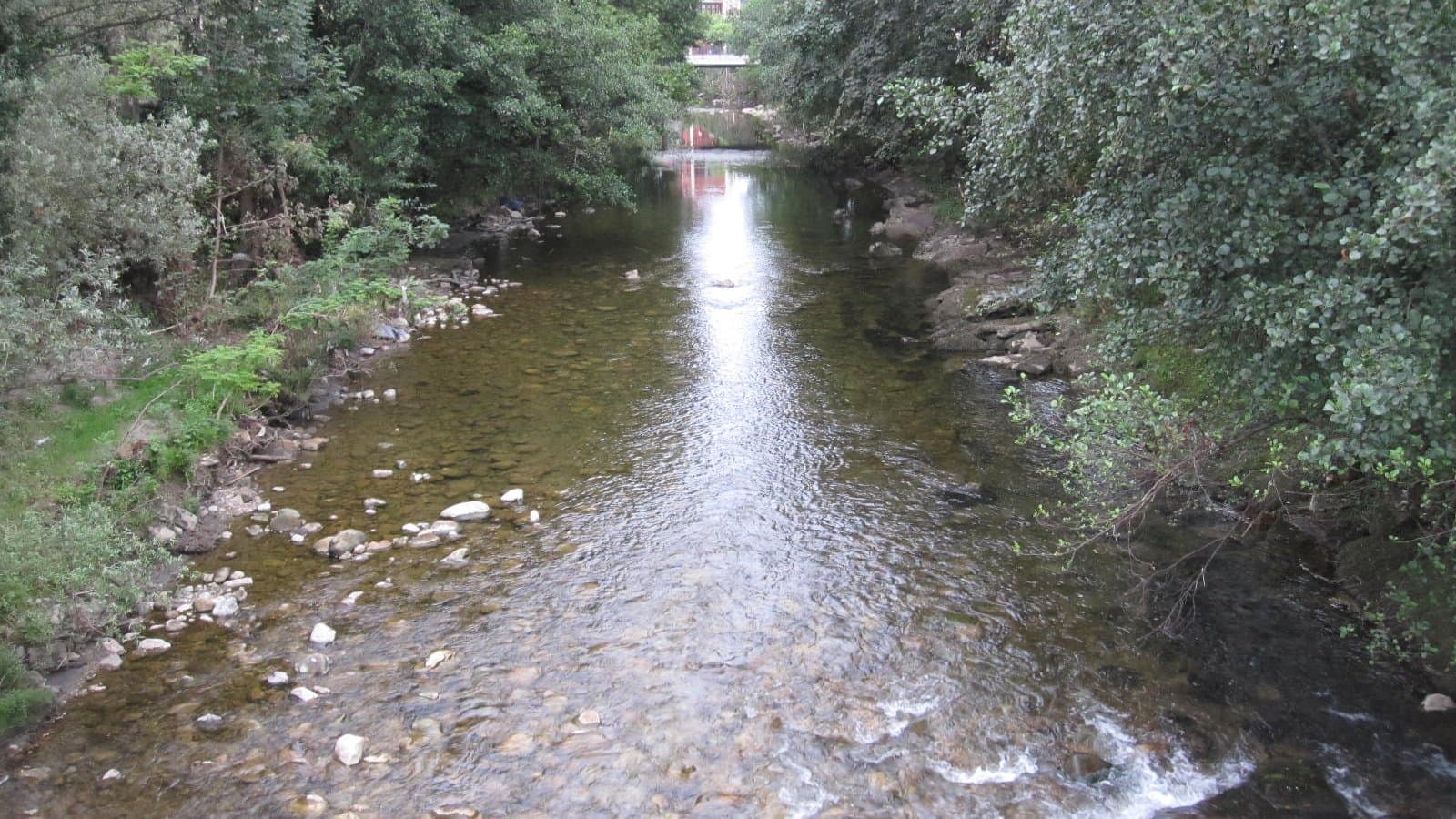
The Trubia is a limestone tributary with a spectacular gorge — pale stone pools and crystal-clear water holding wild browns (15–32 cm, with larger residents in deep pools). The limestone character produces outstanding mayfly hatches May–June; olives and terrestrials fish well. Sea trout enter lower reaches May–July. The 4-hour spate response and three-station gauge coverage make it predictable. The middle-reach gorge section is most productive and scenically stunning. Usually uncrowded, but Asturian licence and local tramo rules still apply. A river where geology and fish align.
The Trubia runs from the Cantabrian slate and quartzite country down toward relatively lower elevations, a spate-responsive river with pronounced character. The upper reaches are step-pool through mixed lithology; the descent is steep and response to rainfall immediate. The middle Trubia opens into partly-confined pool-riffle on cobble emerging from slate. The pools are productive and hold traditional fishing respect. The river's character is of a Cantabrian spate system responding fully to mountain rainfall. The wading demands care throughout the upper sections.
Wading: Slick limestone pavement in upper gorge
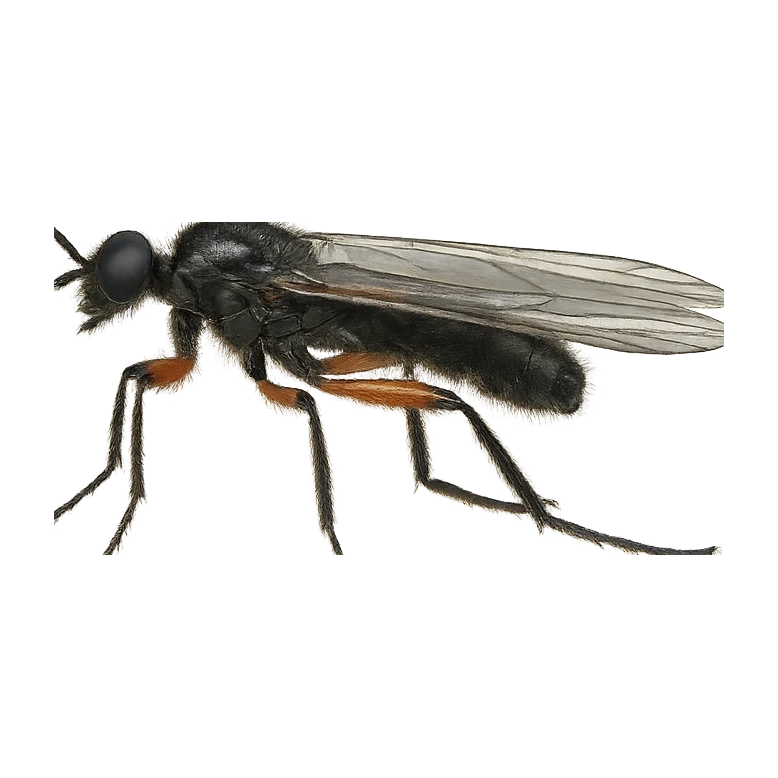
In the mountain-to-sea trout rivers of Asturias, olives and other mayflies do much of the work in spring whenever levels and colour allow, followed by strong evening caddis and steady buzzer life through early and mid-summer, with terrestrials and mixed surface food from wooded, pastoral banks rounding out the diet whenever flows drop back into safe wading range.
- Limestone
- Partly confined
- Step pool
- Pool riffle