

 Mayflies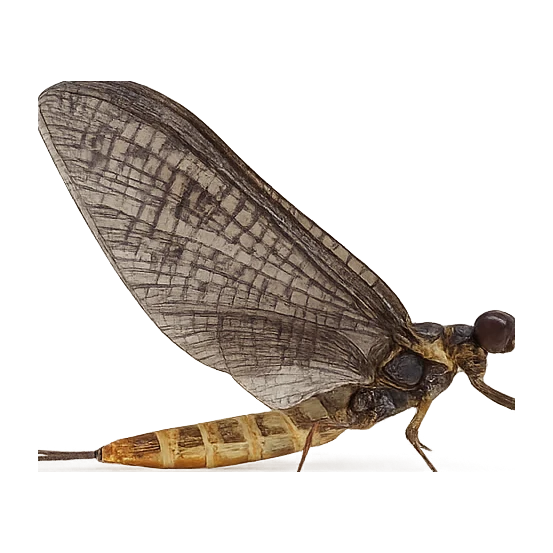
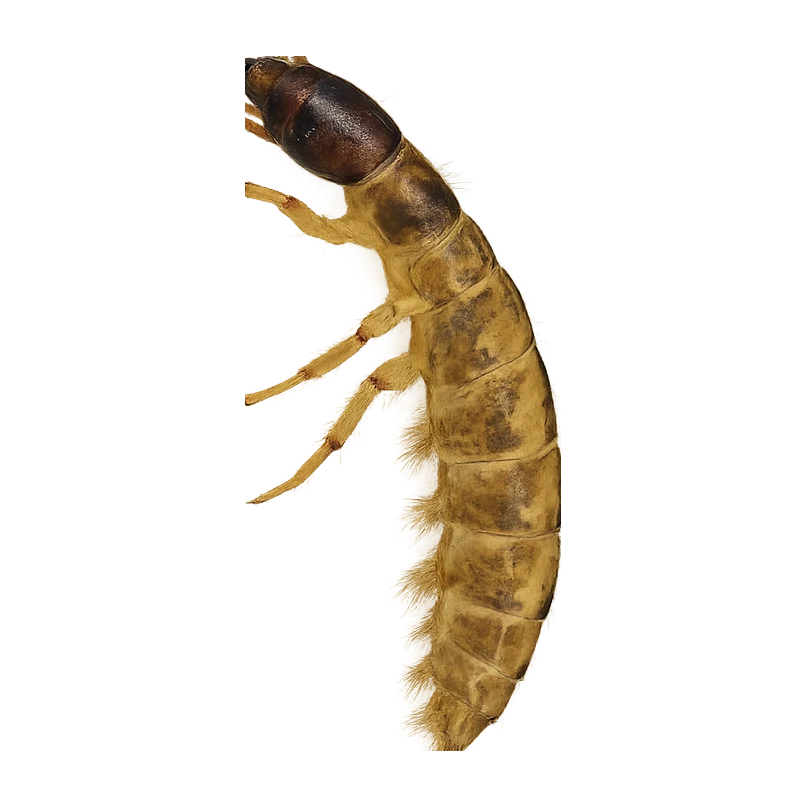
 Stoneflies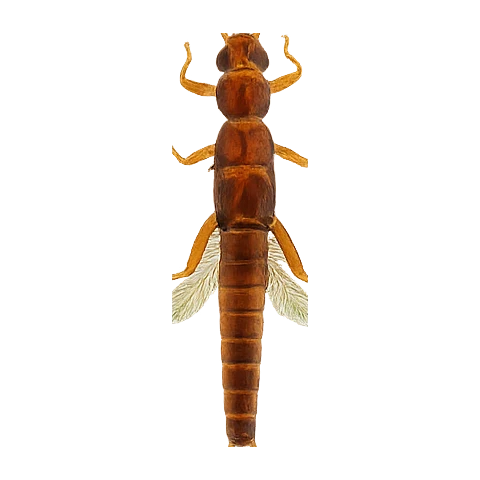
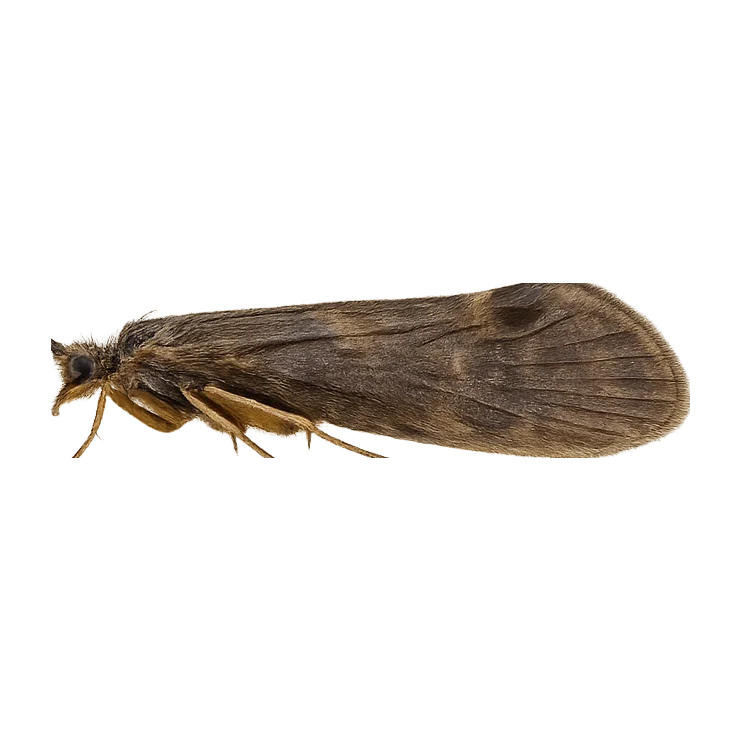
 Caddisflies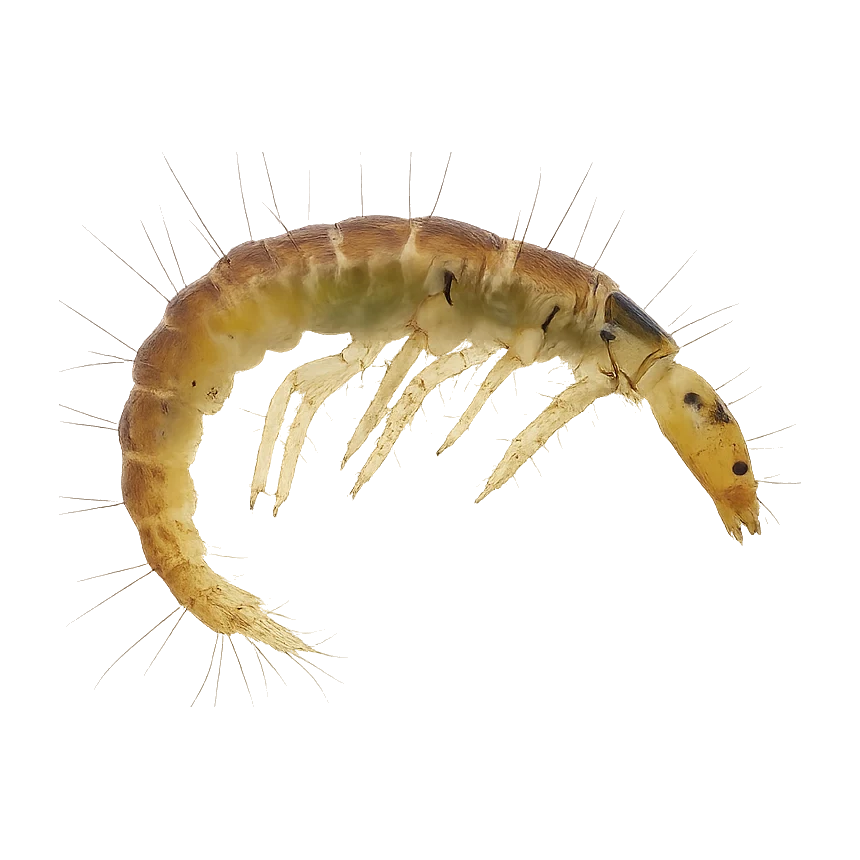
 Gammarids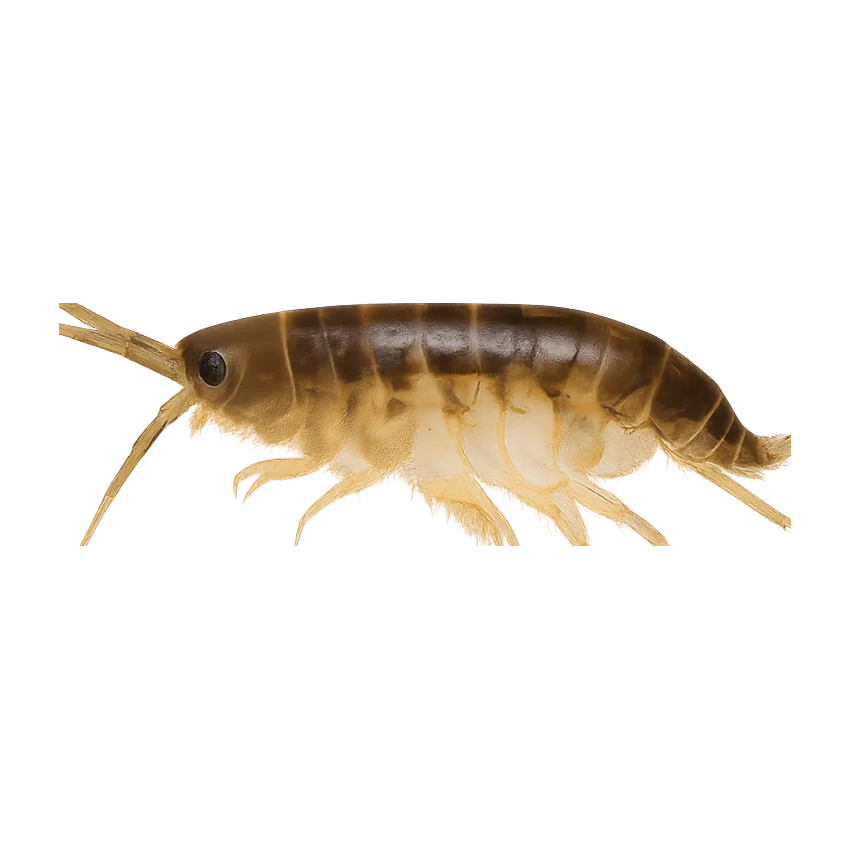
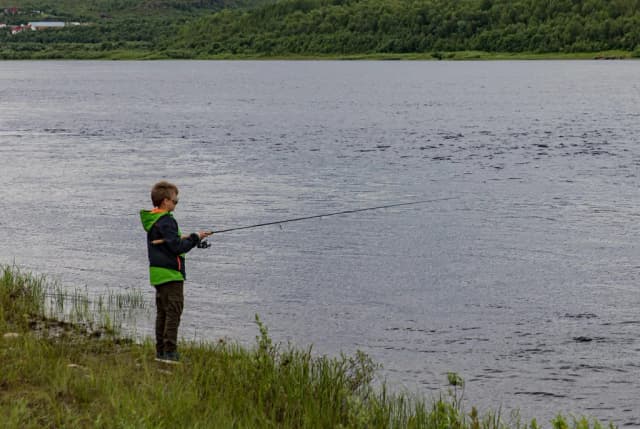
One of the world's most famous Atlantic salmon rivers on the Norway-Finland border. Wild salmon of enormous potential size in a remote Arctic setting. Strictly managed—quota systems and restricted access are in place for good reason. Fishing window is short: late June to August. Midnight sun and the chance at genuinely large salmon make this bucket-list water. Granite-based upland geology shapes this river. Atlantic salmon are managed under national and shared cross-border rules, with strict quotas and seasonal limits; catch-and-release is widely applied — check current rules before fishing.
The Teno — Tana in Norwegian, Deatnu, 'the Great River', in Sámi — runs three hundred and sixty-one kilometres through the open fells of Sápmi, and for more than two hundred and fifty of them it traces the border between Finland and Norway. It is the largest salmon river in Europe by catch, draining a vast Arctic catchment of tundra, birch forest and weathered Precambrian bedrock to a broad, unspoiled delta at Tanafjorden. This is big, braided, gravel-bedded water on a gentle northern gradient — long glides, sweeping bends and hidden sandy beaches beneath rugged fells, the holding water for the multi-sea-winter fish for which the river is legendary; the rod-caught world record, a salmon of thirty-six kilograms, came from here in 1929. Wading the main stem is a question of scale and current rather than slippery rock. Salmon stocks have lately collapsed and fishing is tightly restricted — check the current rules before travel.
Wading: The scale and current of very large water
- Granite
- Unconfined
- Pool riffle
- Wandering gravel bed