
 Stoneflies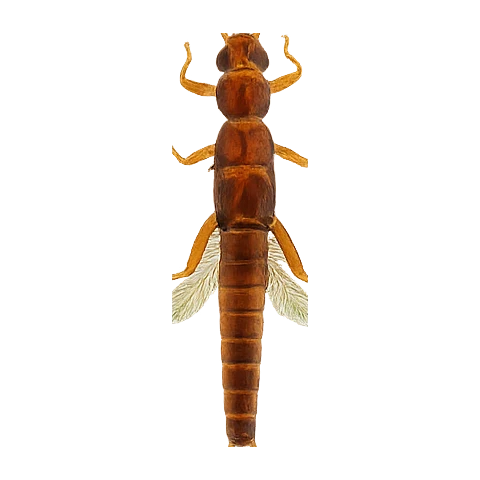
 Caddisflies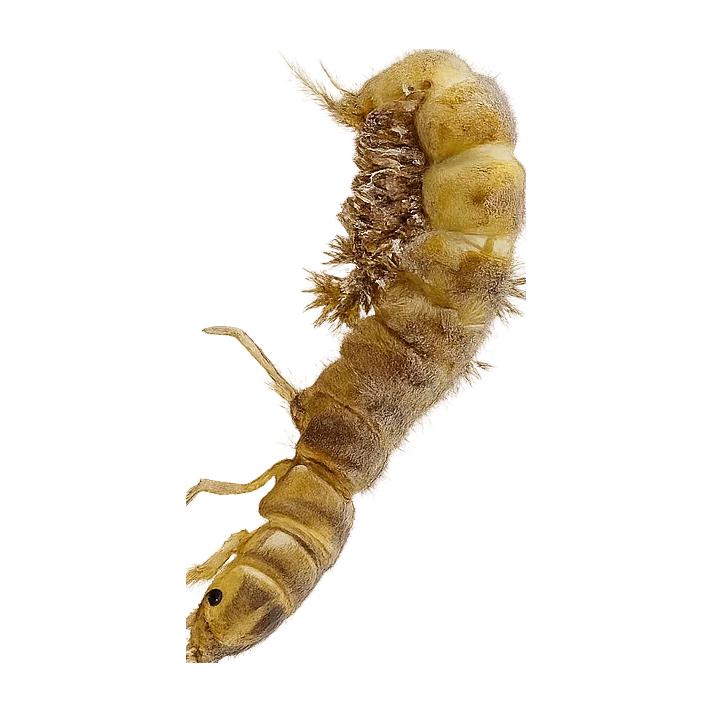
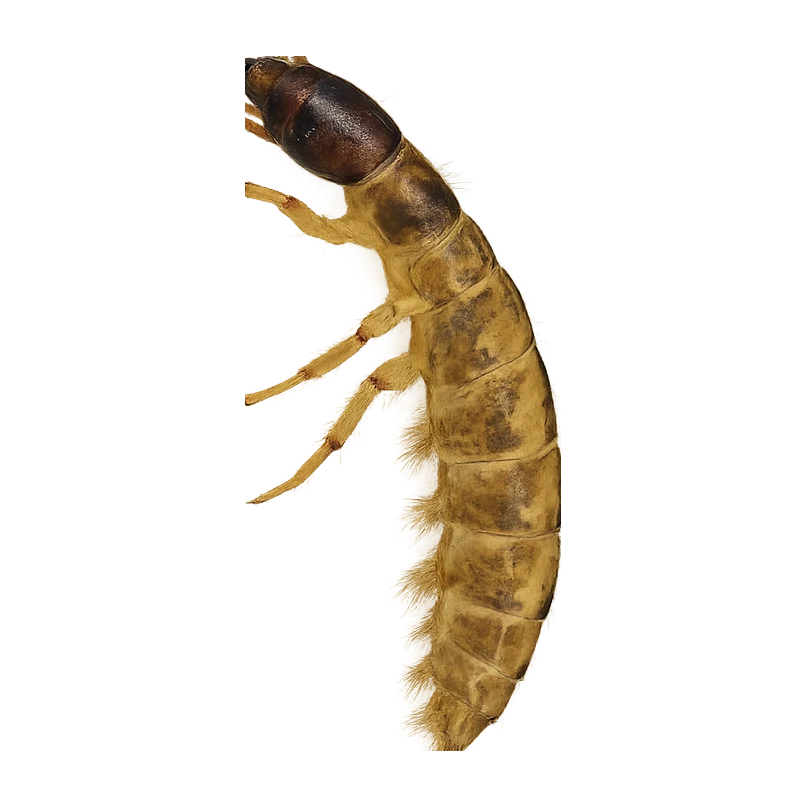
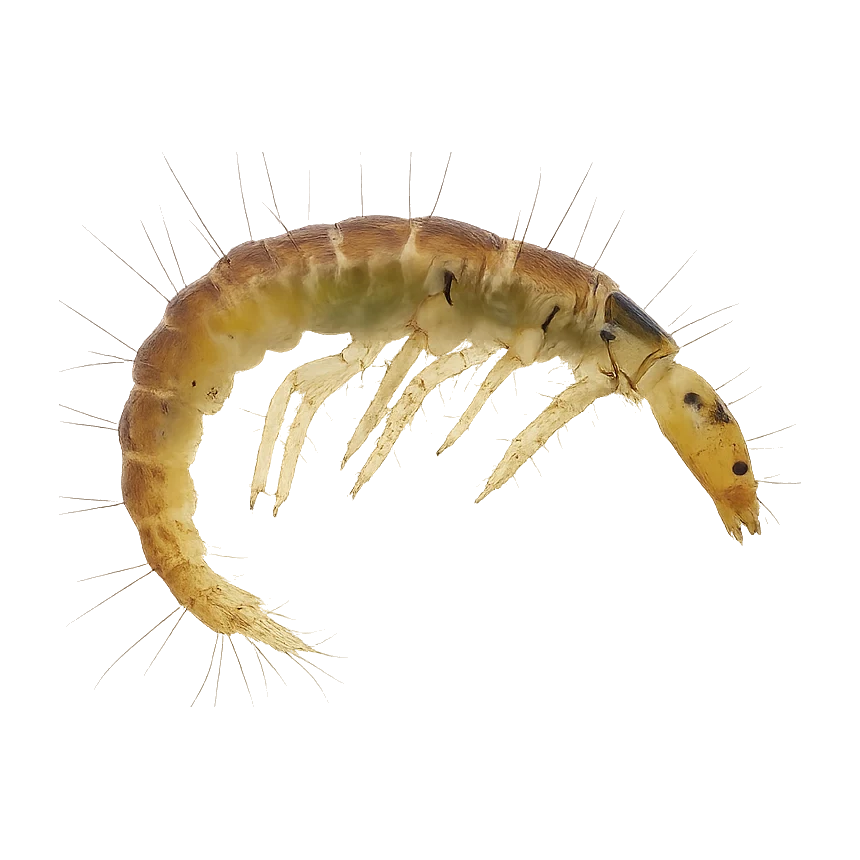
 Gammarids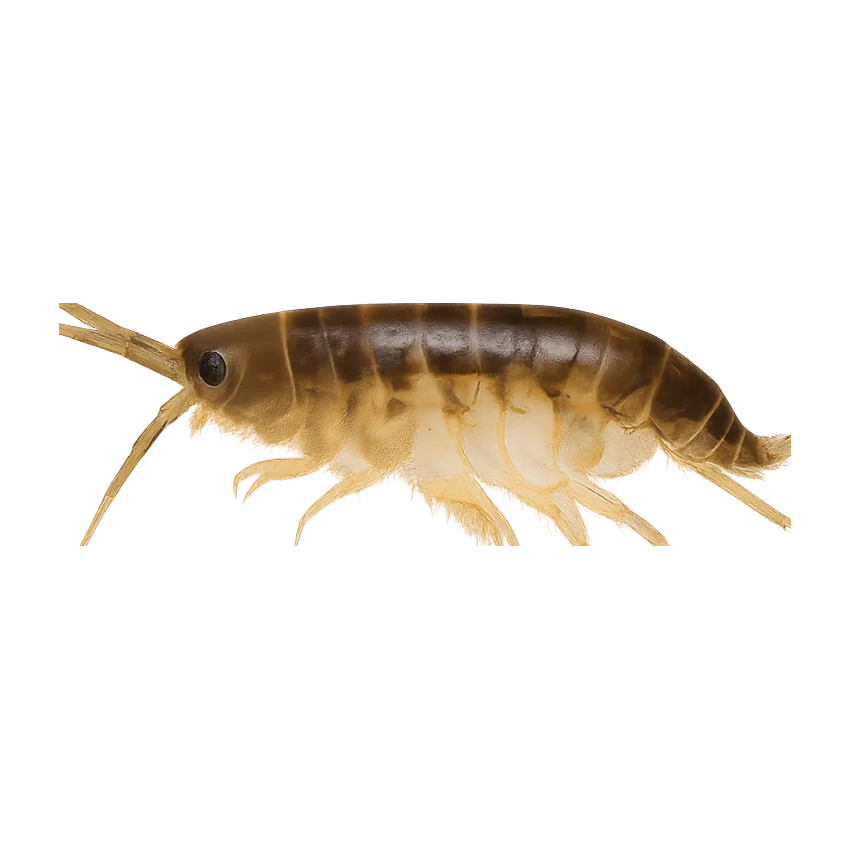

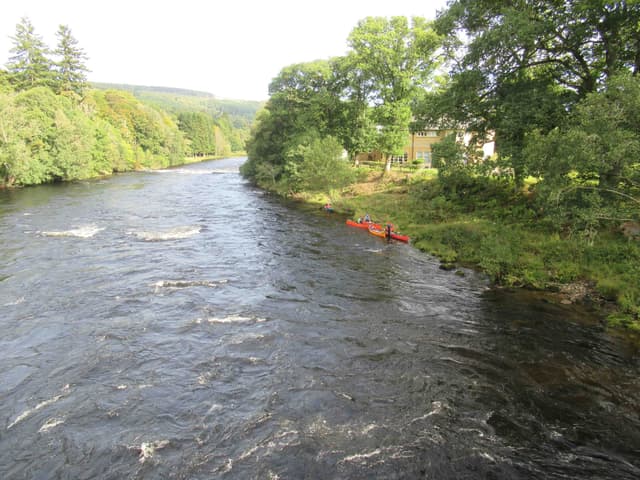
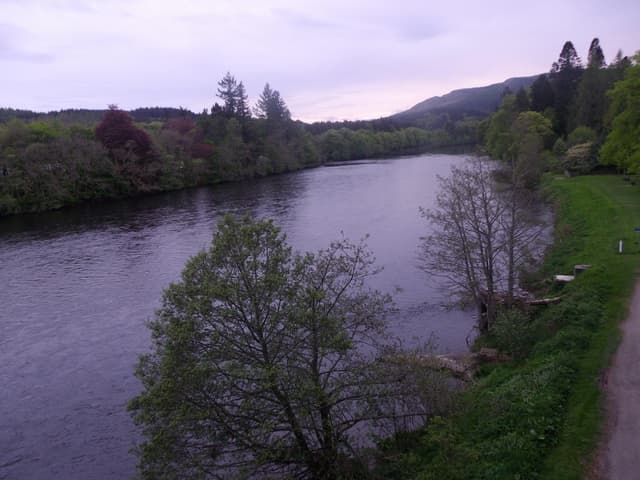
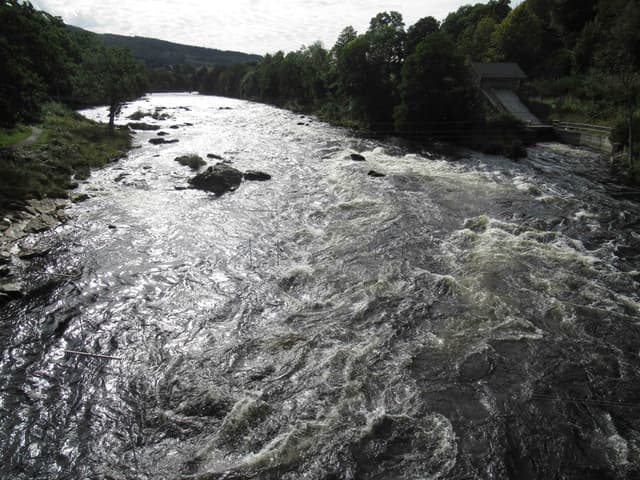
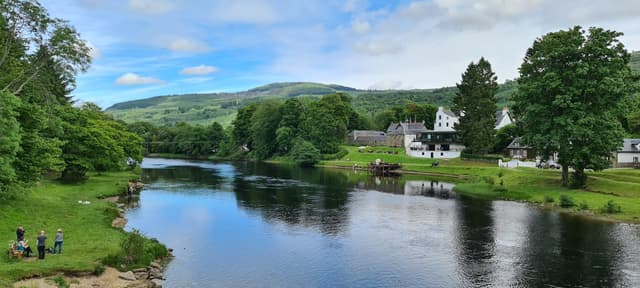
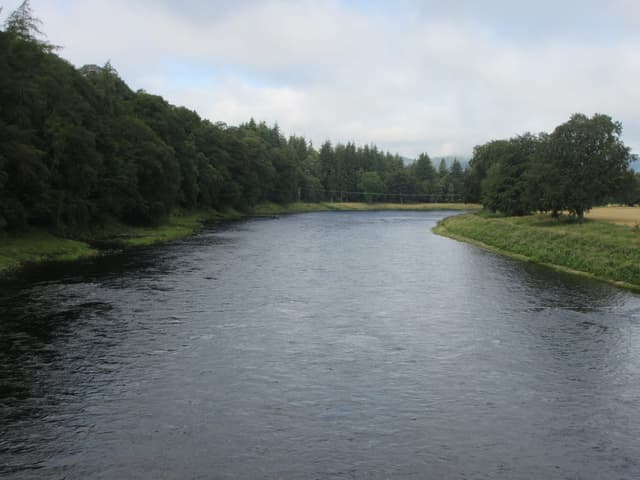
The Tay is Scotland's mightiest river — the largest by volume, immense and powerful, and a declining Category 3 salmon system where conservation comes first. Statutory catch-and-release applies 15 January–31 March under Scottish law; the Tay District Salmon Fisheries Board recommends releasing all salmon and grilse throughout the season. Spring salmon run February–May on the upper beats (upstream of Perth); summer grilse dominate June–August with excellent sport on floating lines and small doubles — June is the most accessible season on the Tay. Autumn runs build through September and the rod season closes 15 October, though fresh fish keep running into November; the back-end can be spectacular, with typical autumn salmon 15–22 lb (exceptional fish exceeding 40 lb are rare). Fish spring salmon on sinking-tip line with larger tubes (1–1.5 inch) fished deep in the early weeks; as water warms, reduce fly size and fish higher. The autumn run requires accurate casting to concentrated lies — the Tay's size can make this challenging. The tributary system (Tummel, Lyon, Earn) offers brown trout fishing and excellent grayling — a relatively recent discovery that provides outstanding sport from October through March. Summer offers good dry-fly opportunity on the clearer tributaries. The lower Tay (estuary) concentrates fish during runs; the upper beats are longer and require greater physical stamina.
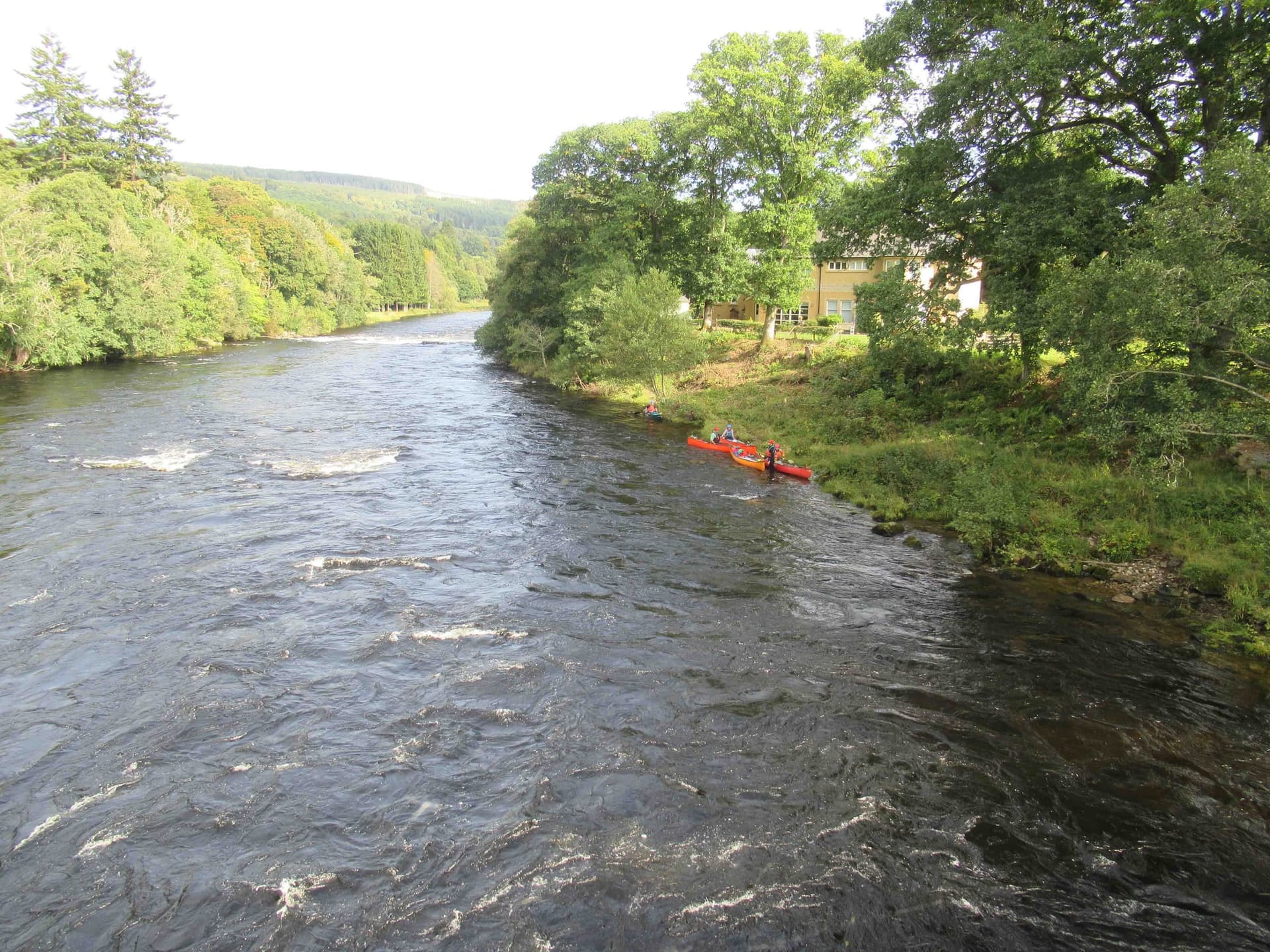
The Tay is Scotland's discharge queen — the largest river by sheer volume of water, pouring nearly 220 cubic metres per second into the sea at Tayport even at average flow. That volume comes from the biggest catchment on this island, and you can feel the scale in every section: the river is wide, often powerful, and it carries the character of the Highlands — Cairngorm granite, high bedload response, and a particular muscular confidence. The river's long profile is telling. It drops nearly 550 metres from source to sea across a distance of 189 kilometres, but the gradient concentrates in the upper reaches above Pitlochry. Below, the river flattens into larger pool-riffle sequences with extensive point-bar development and strong meanders. The Tummel, Garry, Isla and Earn pour in substantial tributaries. Wading is secure on the cobble and gravel, but watch for the power of the current and the river's ability to rise quickly. The Tay doesn't announce its moods — it simply expresses them in the strength of the flow.
Wading: Sheer channel scale — sudden depth steps off wadeable margins
- Mixed
- Partly confined
- Pool riffle
- Glide