
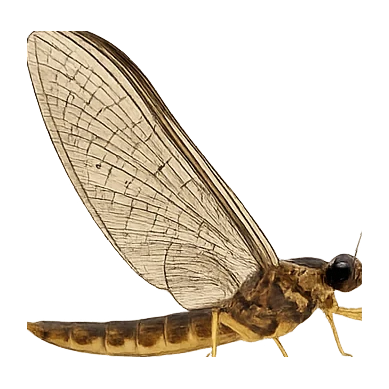
 Mayflies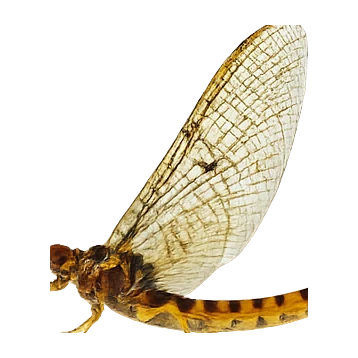
 Chironomids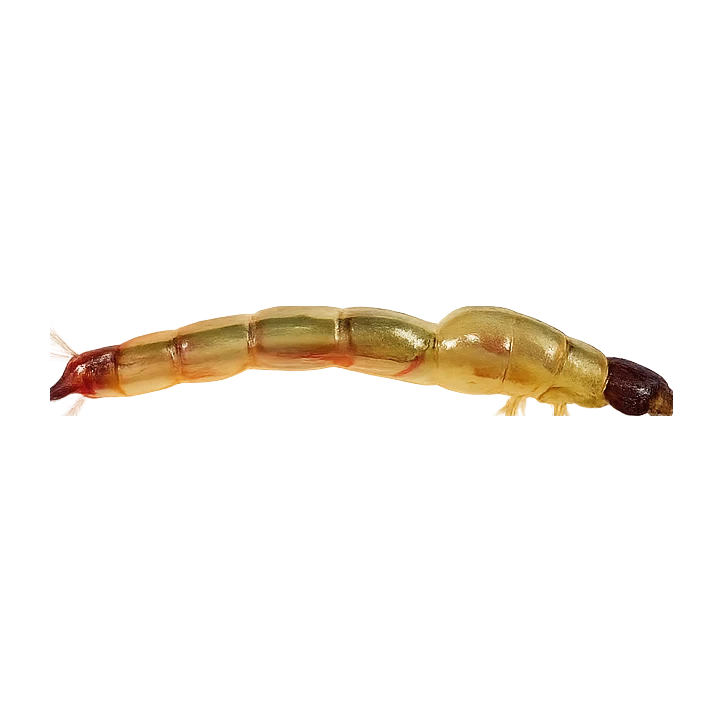
 Damselflies & dragonflies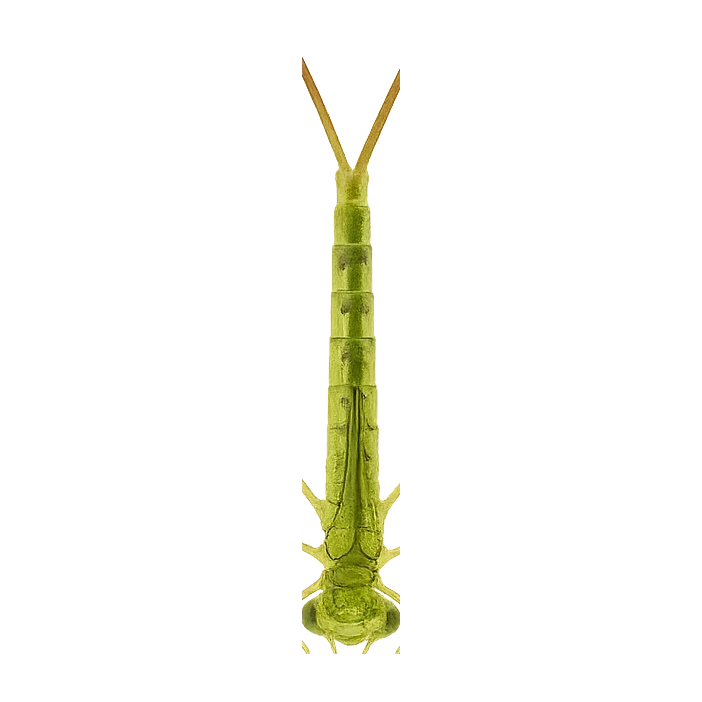
 Gammarids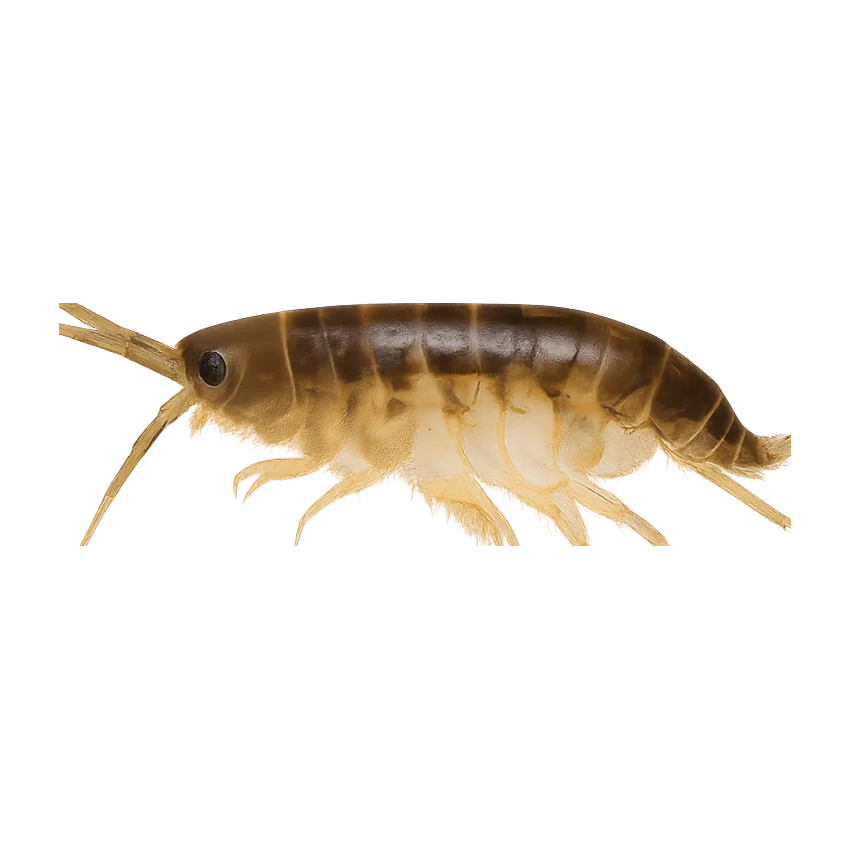

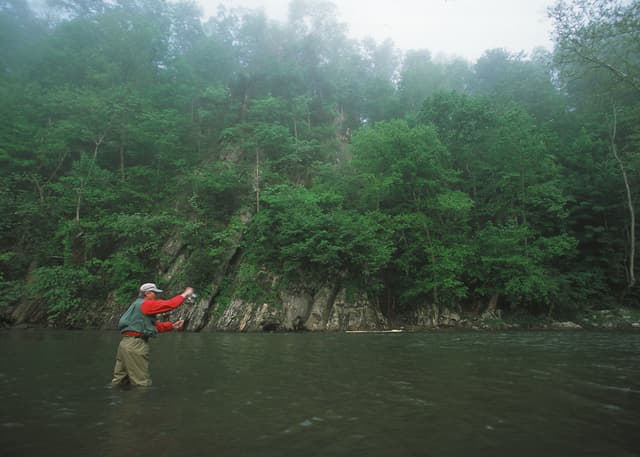
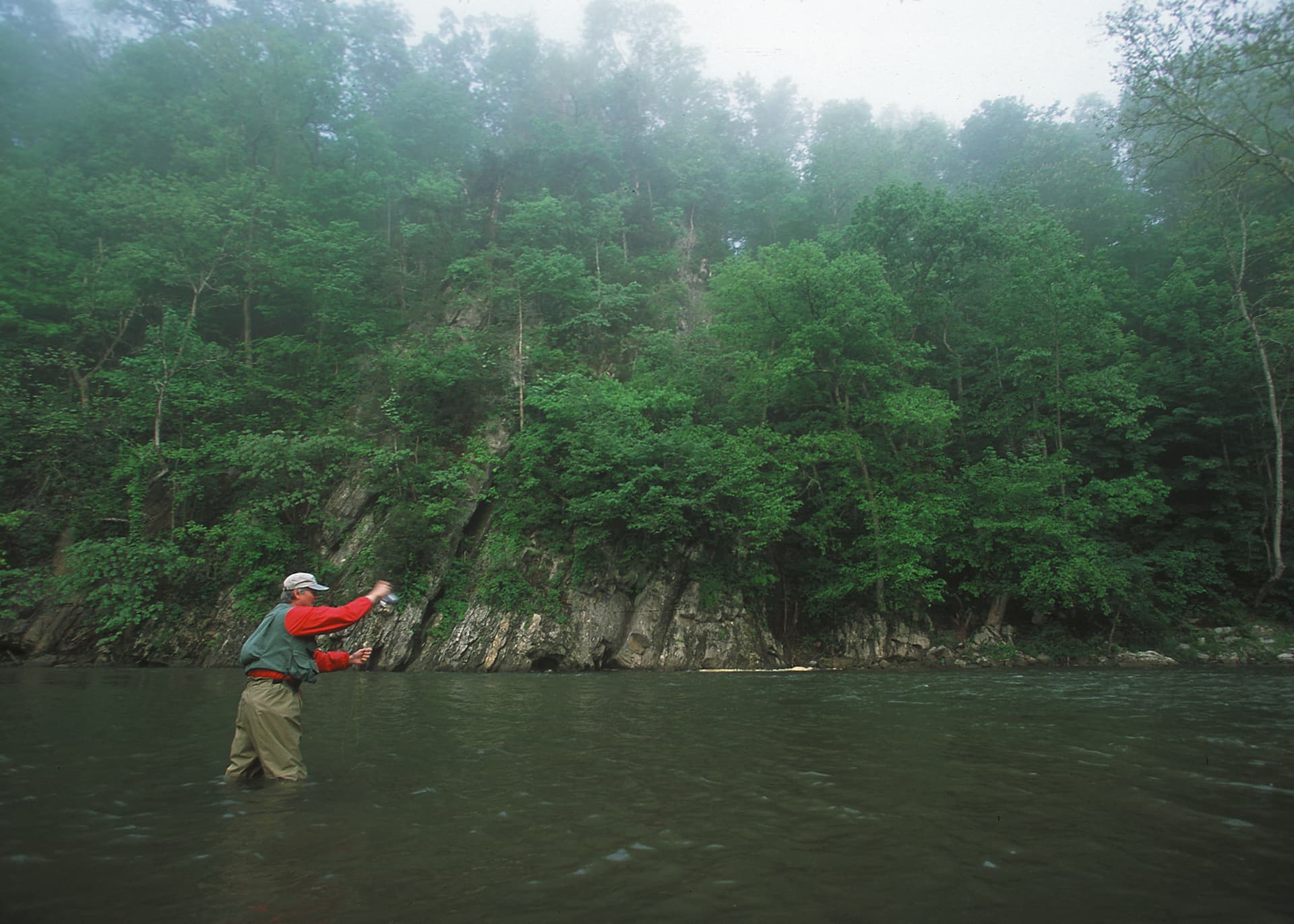
One of the great tailwaters in the East — cold, fertile limestone-influenced water below the dam, holding among the highest trout densities in the lower 48. The headline is the long sulphur evening rise from May into August, with midges and BWO filling the calendar. Here you watch the generation clock, not the sky — and you respect it, because the river comes up fast and hard.
The South Holston is the South's great tailwater, fourteen miles of cold, even, limestone-rich water running out of the dam near Bristol down to Boone Lake, holding some of the highest trout densities in the lower forty-eight. The cold bottom release and the lime-loaded water make it an insect factory, and it's famous above all for its sulphur hatch — a pale mayfly that comes off most days from April into November and brings the wild browns up to sip in flat, glassy water. A weir dam below the main dam oxygenates the flow and keeps the river alive between generation cycles. The bed is limestone gravel and ledge, the water clear and weedy, the flats demanding. Wading is good when the turbines are off and impossible when they're on, so you watch the generation schedule like scripture. It is a rich, technical, deeply rewarding river.
Wading: Sudden generation surges; watch the schedule
- Limestone influenced
- Unconfined
- Pool riffle