
A 55-acre chalk-fed estate in the Avon valley, where six spring-fed lakes and a mile of private chalkstream sit at the higher end of English day-ticket fisheries in both price and quality. The lake fishing is the main event — clear water, specimen rainbows and blues, and a broad insect spectrum that rewards imitative fishing from spring through autumn. The chalkstream beat is upstream dry-fly only, fished to individuals in sight. And in winter, Rockbourne stocks Arctic char alongside the trout — an unusual quarry that requires a different, slower retrieve in the deeper water.
- Free fishing
- Fly only
Good late spring conditions for Rockbourne Trout Fishery
Useful ripple, fishable wave. Fishable ripple — drift the productive shore.
Current conditions suit Rockbourne Trout Fishery well for late spring tactics. The ripple should help fish move and feed more confidently.
This venue is often best in spring through autumn.
Conditions on the water
Some readings unavailable — check directly before fishing.
The brief
The plan
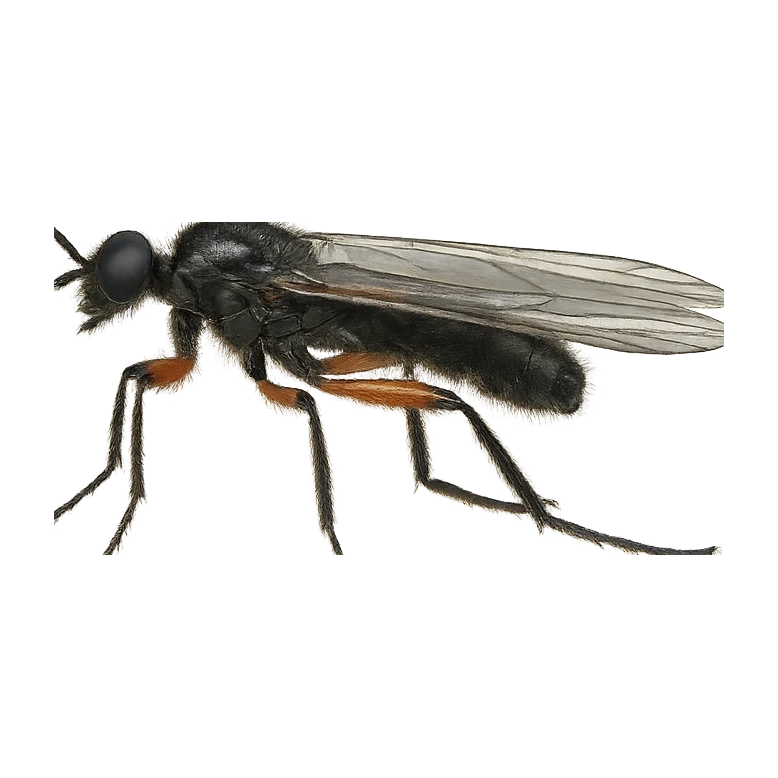
Start with Blob (8-10) on a fast strip on floating line or static on sinking. Rainbows respond to more active retrieves — try short strips between pauses. If that does not produce, switch depth or speed before changing the pattern entirely. When no hatch is visible, a buzzer team — black stripped quill on the point, attractor or pearl-rib on the top dropper — is the default starting point on any UK stillwater.
If fish refuse on top, drop to a buzzer under an indicator at different depths.
Keep an eye on changing conditions — wind shifts and cloud breaks can trigger short feeding spells.
Bank fishing near inflows, dam walls, and weed beds. Move to find feeding fish.
What's on, when
Numbers are intensity 0 (none) to 3 (peak) — a guide, not a guarantee.
Top pattern + the box
Why today scores what it does
- Temperature (cool) is in the sweet spot for late spring fishing.
Precipitation
Who this water suits
Rockbourne Trout Fishery, on the water
Field guide · contributor-editedWhat this water is
A 55-acre chalk-fed estate in the Avon valley, where six spring-fed lakes and a mile of private chalkstream sit at the higher end of English day-ticket fisheries in both price and quality. The lake fishing is the main event — clear water, specimen rainbows and blues, and a broad insect spectrum that rewards imitative fishing from spring through autumn. The chalkstream beat is upstream dry-fly only, fished to individuals in sight. And in winter, Rockbourne stocks Arctic char alongside the trout — an unusual quarry that requires a different, slower retrieve in the deeper water.
- Fishery
- Chalk
How to get to the water
Where the rules change
- Trout1 April → 30 September
Rockbourne Trout Fishery
A 55-acre chalk-fed estate in the Avon valley, where six spring-fed lakes and a mile of private chalkstream sit at the higher end of English day-ticket fisheries in both price and quality.
Good late spring conditions for Rockbourne Trout Fishery
Useful ripple, fishable wave. Fishable ripple — drift the productive shore.
Current conditions suit Rockbourne Trout Fishery well for late spring tactics. The ripple should help fish move and feed more confidently.
This venue is often best in spring through autumn.
Some readings unavailable — check directly before fishing.
A good match for this venue — most conditions are close to what it fishes best in.
Start with Blob (8-10) on a fast strip on floating line or static on sinking. Rainbows respond to more active retrieves — try short strips between pauses. If that does not produce, switch depth or speed before changing the pattern entirely. When no hatch is visible, a buzzer team — black stripped quill on the point, attractor or pearl-rib on the top dropper — is the default starting point on any UK stillwater.
If fish refuse on top, drop to a buzzer under an indicator at different depths.
Keep an eye on changing conditions — wind shifts and cloud breaks can trigger short feeding spells.
Bank fishing near inflows, dam walls, and weed beds. Move to find feeding fish.
- Temperature (cool) is in the sweet spot for late spring fishing.
Numbers are intensity 0 (none) to 3 (peak) — a guide, not a guarantee.
Terrain map
A 55-acre chalk-fed estate in the Avon valley, where six spring-fed lakes and a mile of private chalkstream sit at the higher end of English day-ticket fisheries in both price and quality. The lake fishing is the main event — clear water, specimen rainbows and blues, and a broad insect spectrum that rewards imitative fishing from spring through autumn. The chalkstream beat is upstream dry-fly only, fished to individuals in sight. And in winter, Rockbourne stocks Arctic char alongside the trout — an unusual quarry that requires a different, slower retrieve in the deeper water.
- Fishery
- Chalk
- Trout1 April → 30 September
A 55-acre chalk-fed estate in the Avon valley, where six spring-fed lakes and a mile of private chalkstream sit at the higher end of English day-ticket fisheries in both price and quality. The lake fishing is the main event — clear water, specimen rainbows and blues, and a broad insect spectrum that rewards imitative fishing from spring through autumn. The chalkstream beat is upstream dry-fly only, fished to individuals in sight. And in winter, Rockbourne stocks Arctic char alongside the trout — an unusual quarry that requires a different, slower retrieve in the deeper water.