
 Caddisflies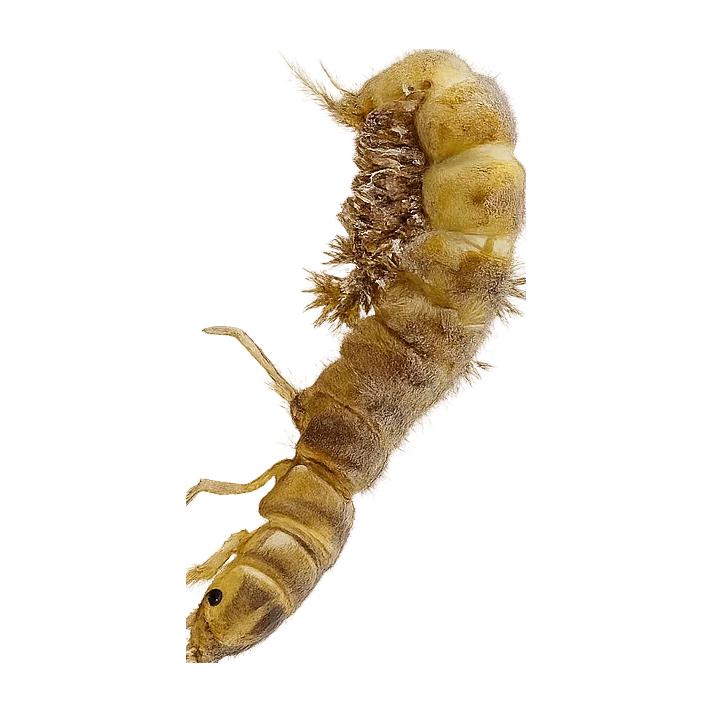
 Gammarids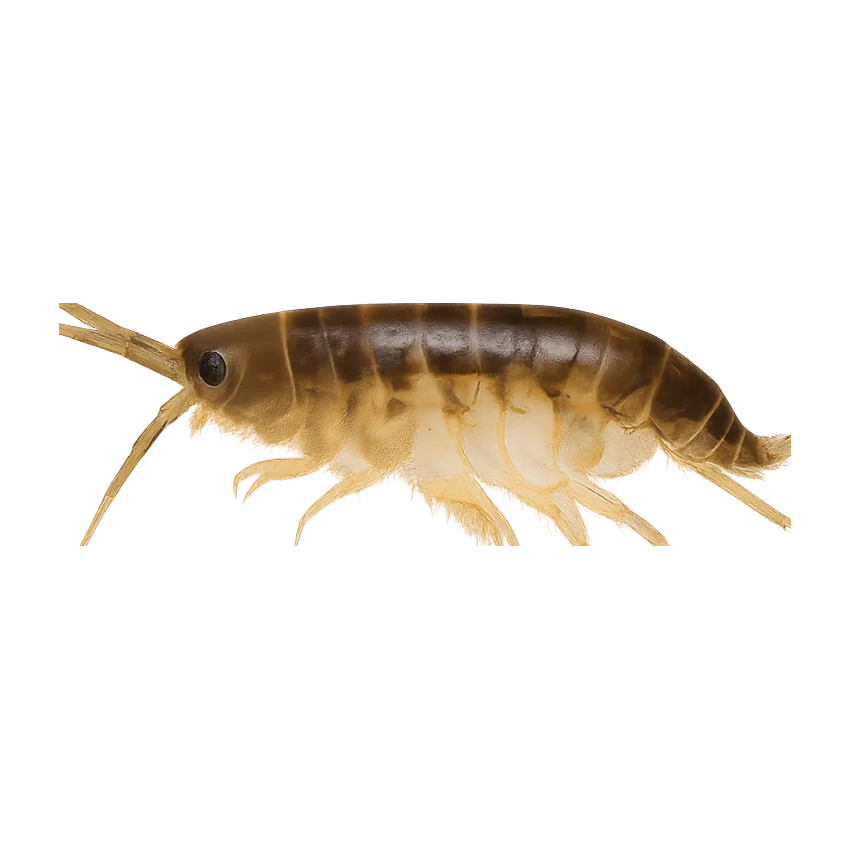

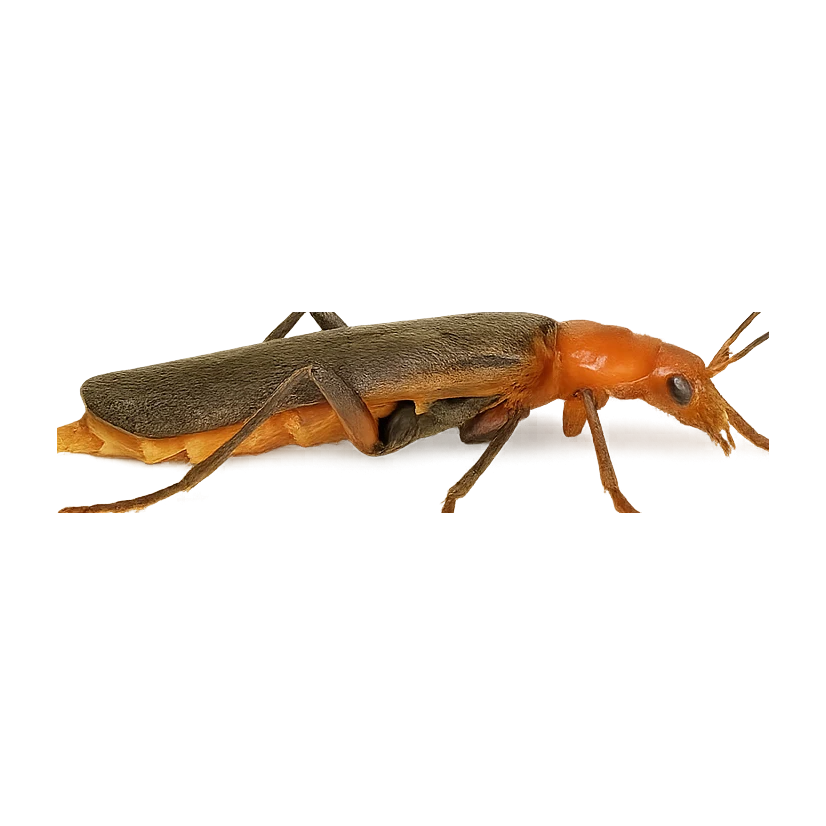
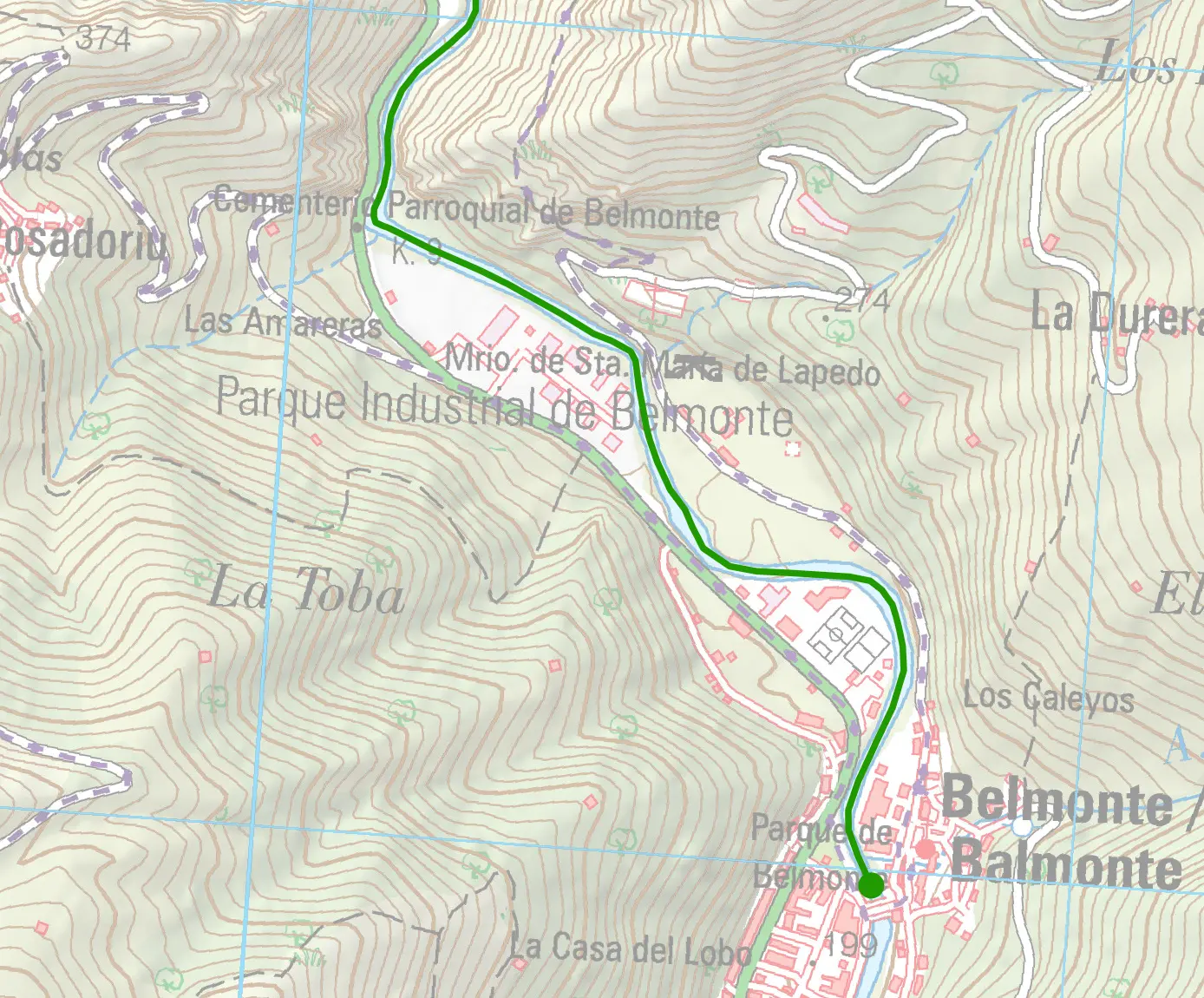
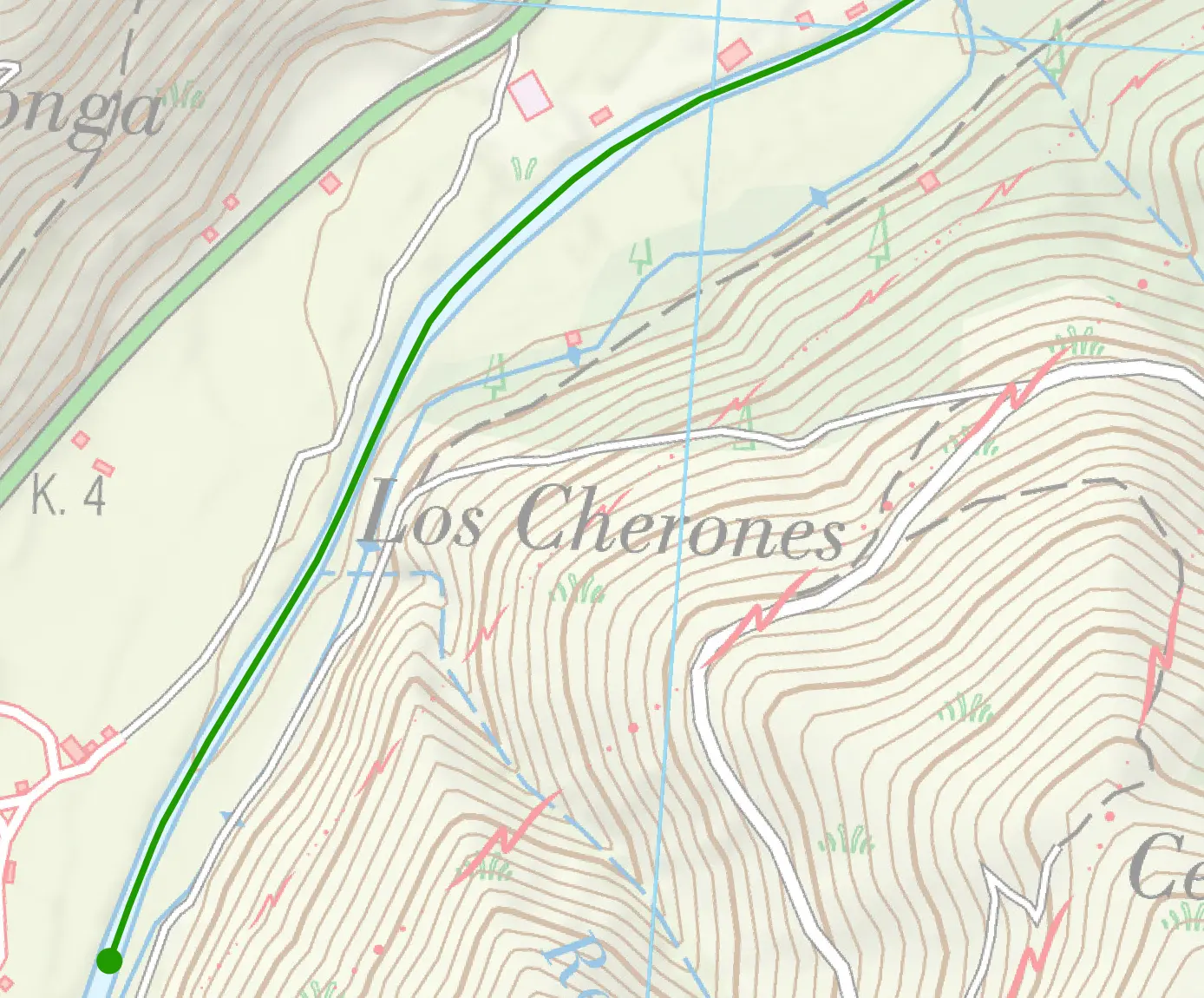
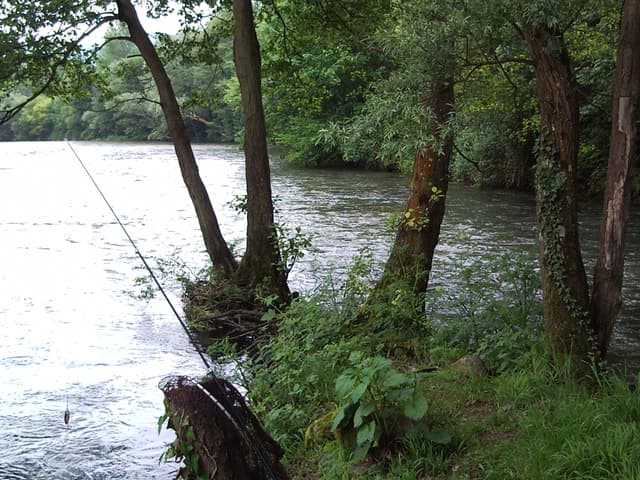
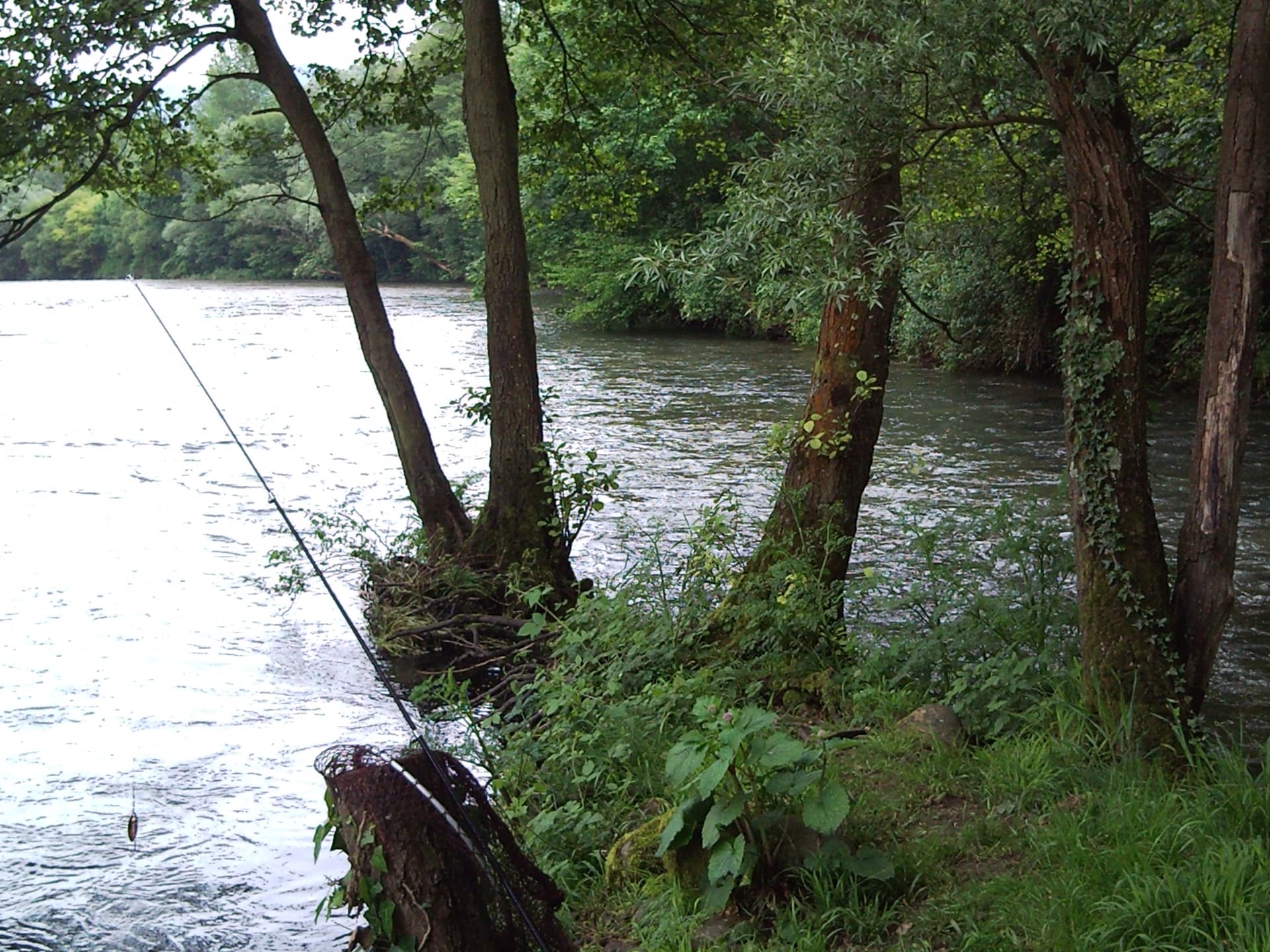
The Pigüeña flows 42 km through mixed geology — limestone pools interspersed with sandstone runs and slate sections — supporting healthy wild brown and sea trout. Browns run 15–32 cm main channel, with larger residents (35–45 cm) in exceptional pools. Sea trout May–July add summer dimension. The river's consistent water quality and three-station gauge coverage make it reliable. Mayfly excellent May–June; sedges and terrestrials work in summer. Straightforward roadside access. A tributary that asks nothing but attention and patience.
The Pigüeña feeds the Narcea from the south, bringing limestone and slate from the Cantabrian flanks. The upper reaches show mixed geology in step-pool confines; the descent is steep and spate-responsive. The river's character is a blend — limestone contributions bring some clarity, slate contributions bring the amber tone, and the resulting water colour is unique to this particular confluence. The middle Pigüeña settles into pool-riffle sequences on mixed cobble. The pools have character shaped by the blend of lithologies; they're productive and hold persistent fish. The wading demands care in the upper step-pool sections; the middle reaches become more approachable. The river's main gift is its position — arriving into the Narcea, it announces the transition from high Cantabrian country into lower valley reaches.
Wading: Greasy bedrock outcrops at lithology boundaries
In the mountain-to-sea trout rivers of Asturias, olives and other mayflies do much of the work in spring whenever levels and colour allow, followed by strong evening caddis and steady buzzer life through early and mid-summer, with terrestrials and mixed surface food from wooded, pastoral banks rounding out the diet whenever flows drop back into safe wading range.
- Mixed
- Partly confined
- Step pool
- Pool riffle