
 Mayflies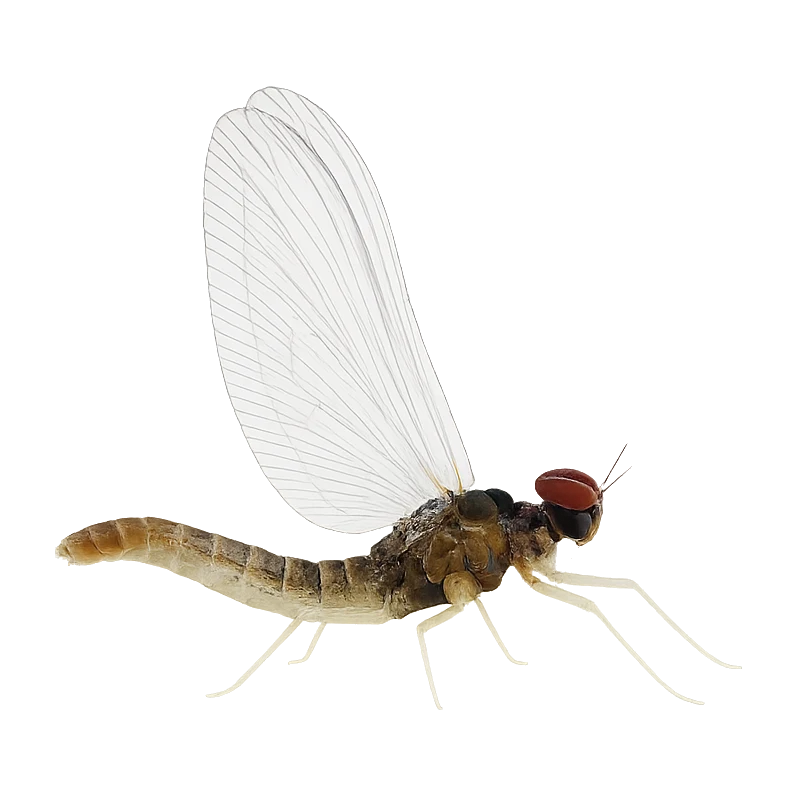
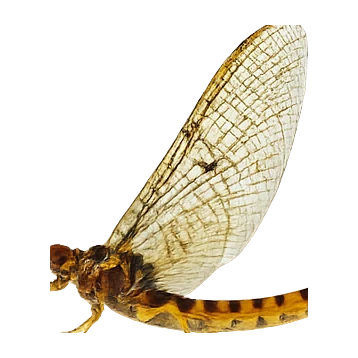
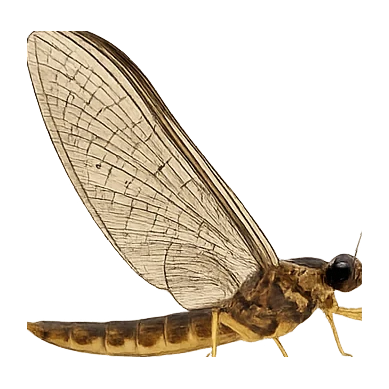
 Gammarids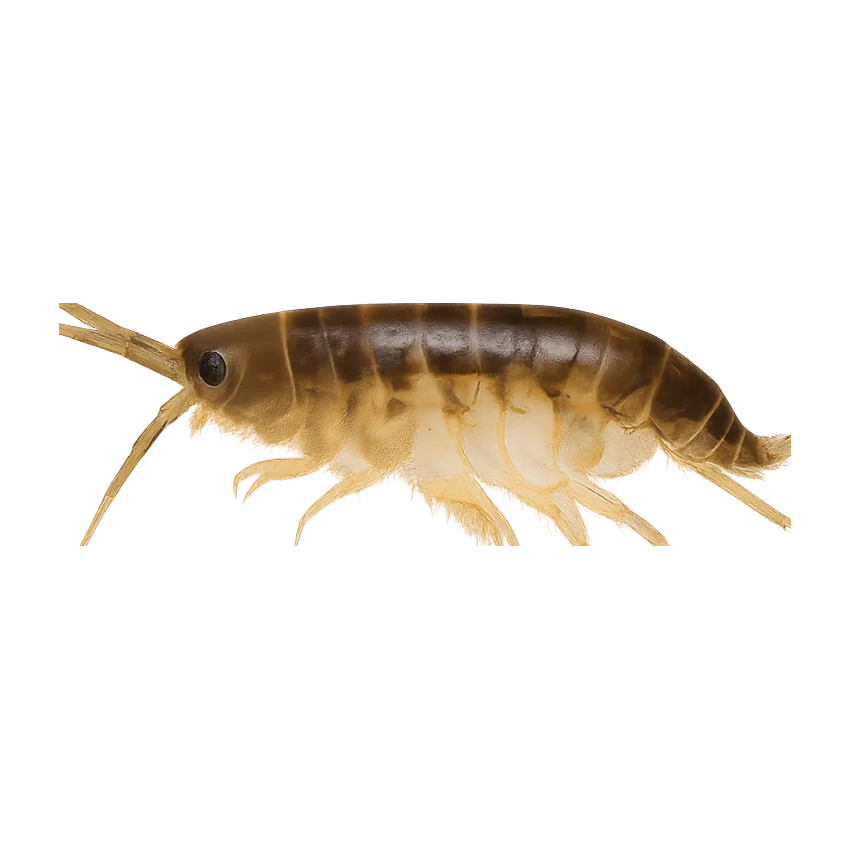
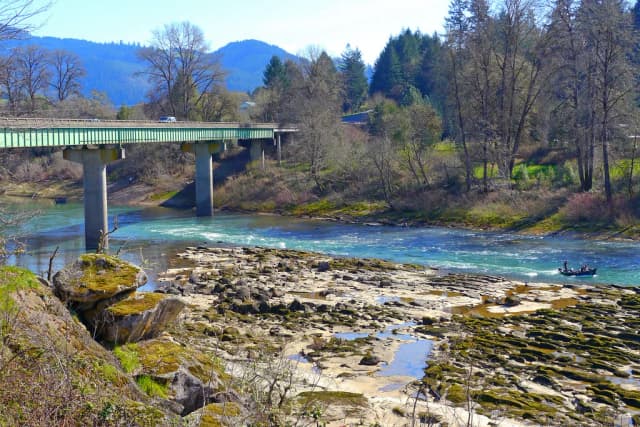
The North Umpqua is the cathedral. Thirty-odd miles of fly-only water cut through bedrock and old-growth, the wading is bouldery and treacherous, the casts are long, and the summer steelhead that swing up out of that green water are some of the most earned fish in the country. They arrive from late June, the fishing comes good through July, September can run too warm and clear to be fair to the fish, and October — if the rains come — is the quiet reward. It is beautiful and it is hard and it asks a lot of an angler's conscience. In the warm low water of high summer the right move is sometimes to put the rod down: ODFW has closed this fishery outright in recent low-return years, and the water itself will tell you when it's too hot to be chasing them. Come for the place as much as the fish, swing a sparse fly on a greased line, and treat every wild steelhead like it's the last one.
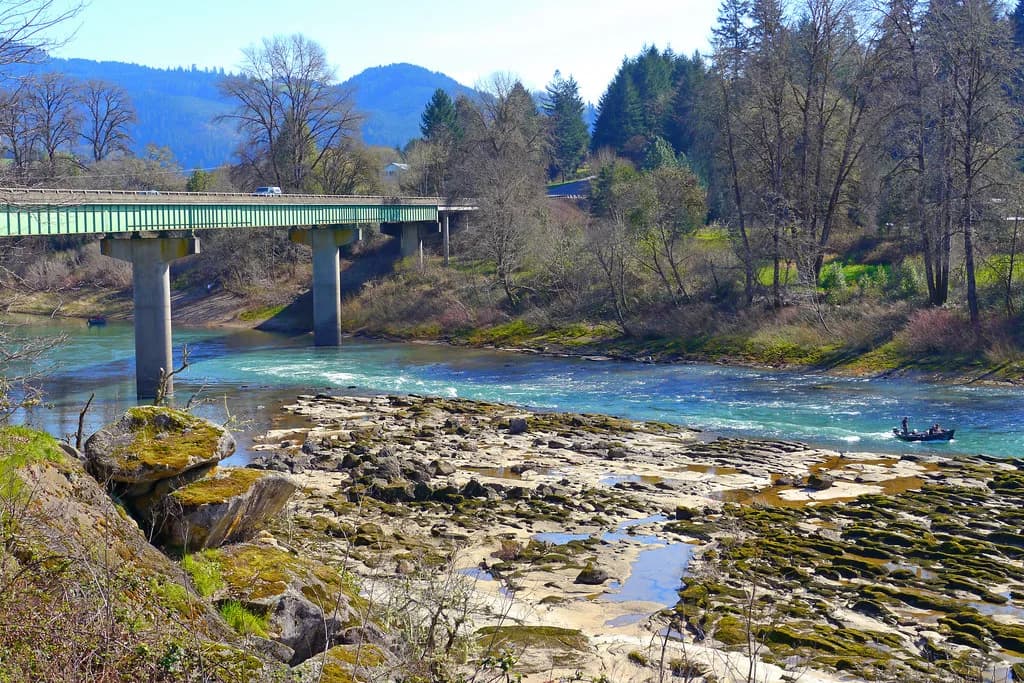
The North Umpqua's fly water is hallowed ground for the steelhead angler — thirty-odd miles of fly-only river above Rock Creek in the Oregon Cascades, the water Zane Grey camped on and a great many have been quietly obsessed with ever since. It runs through a steep, forested canyon of green volcanic bedrock, the river a startling jade color over polished ledge and boulder, sliding through legendary named runs — the Camp Water, Steamboat — where summer steelhead hold and a swung fly is the only honest way to fish. The bed is slick bedrock and boulder; the wading is famously treacherous, the ledges greased with algae and the current deep and strong. The geology is hard Cascade volcanics, the canyon dark with fir. This is difficult, beautiful, low-percentage fishing for a hard-won fish, and the people who love it would not have it any other way.
Wading: Algae slick bedrock ledges, deep strong current
- Volcanic
- Confined
- Pool riffle
- Step pool