
 Caddisflies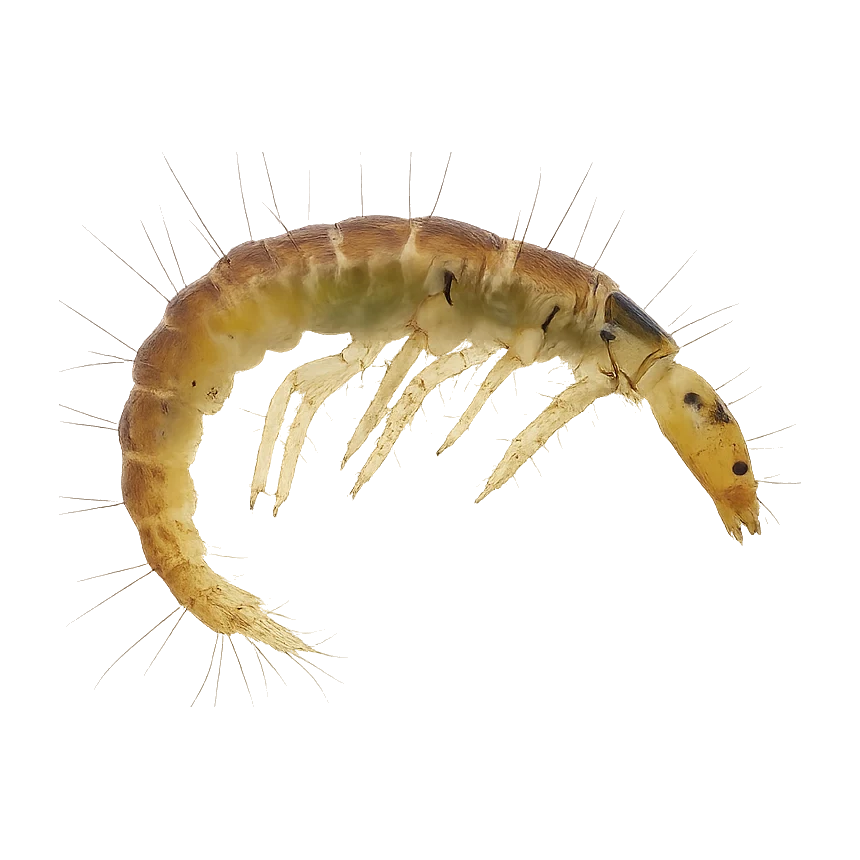
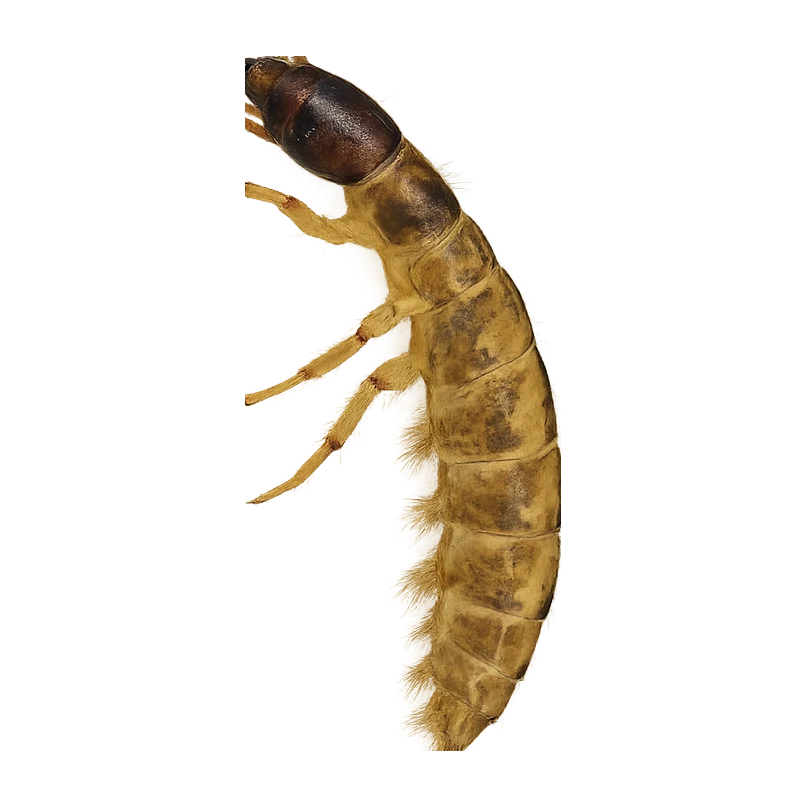
 Gammarids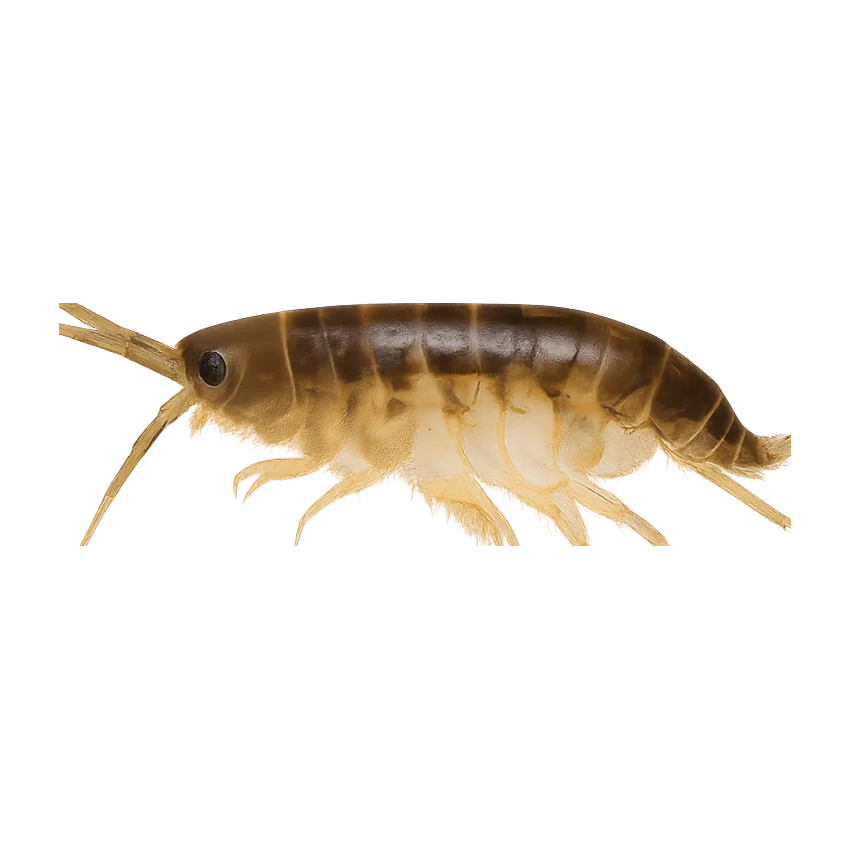

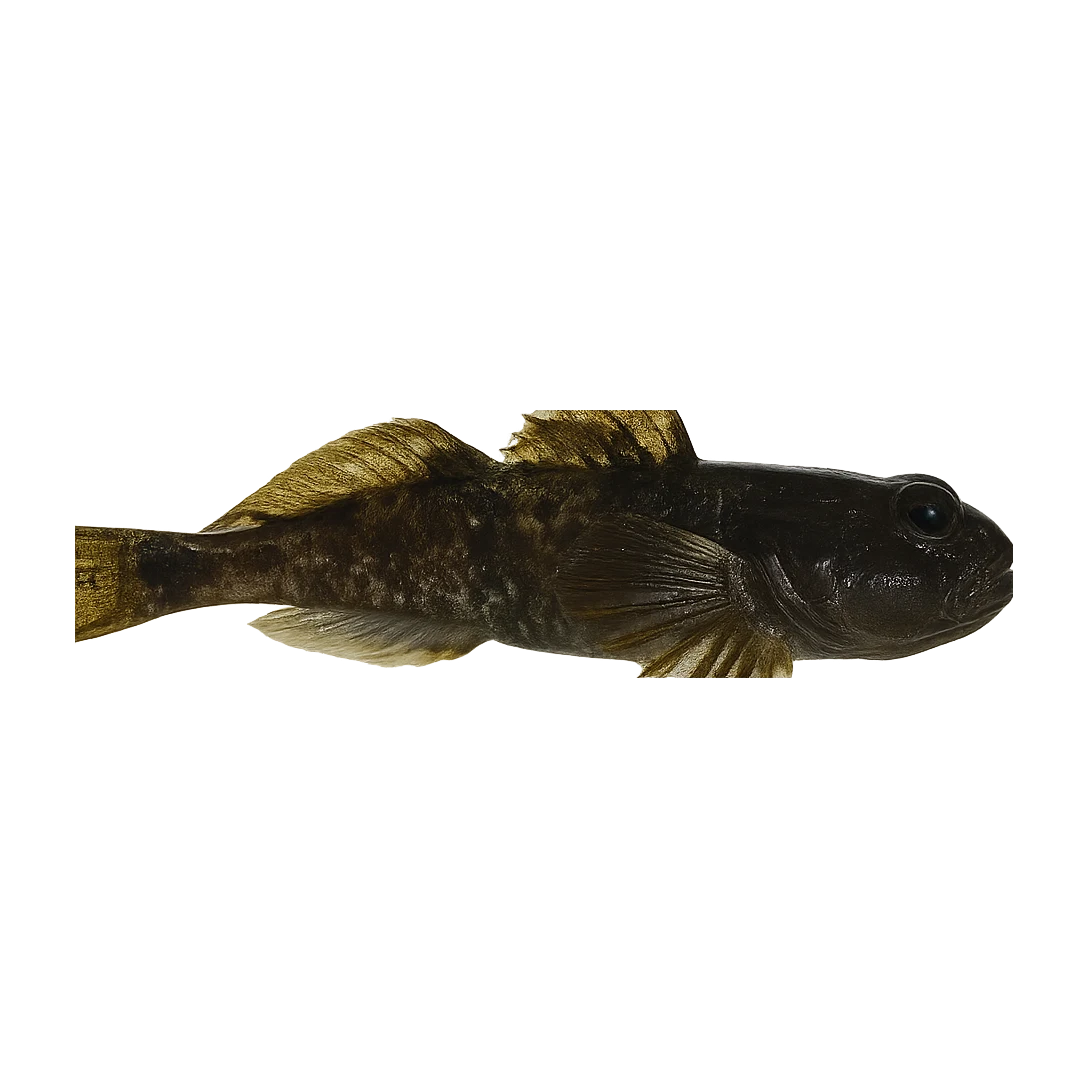
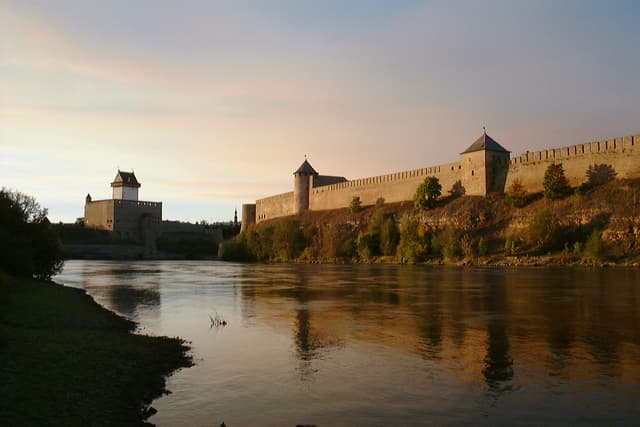
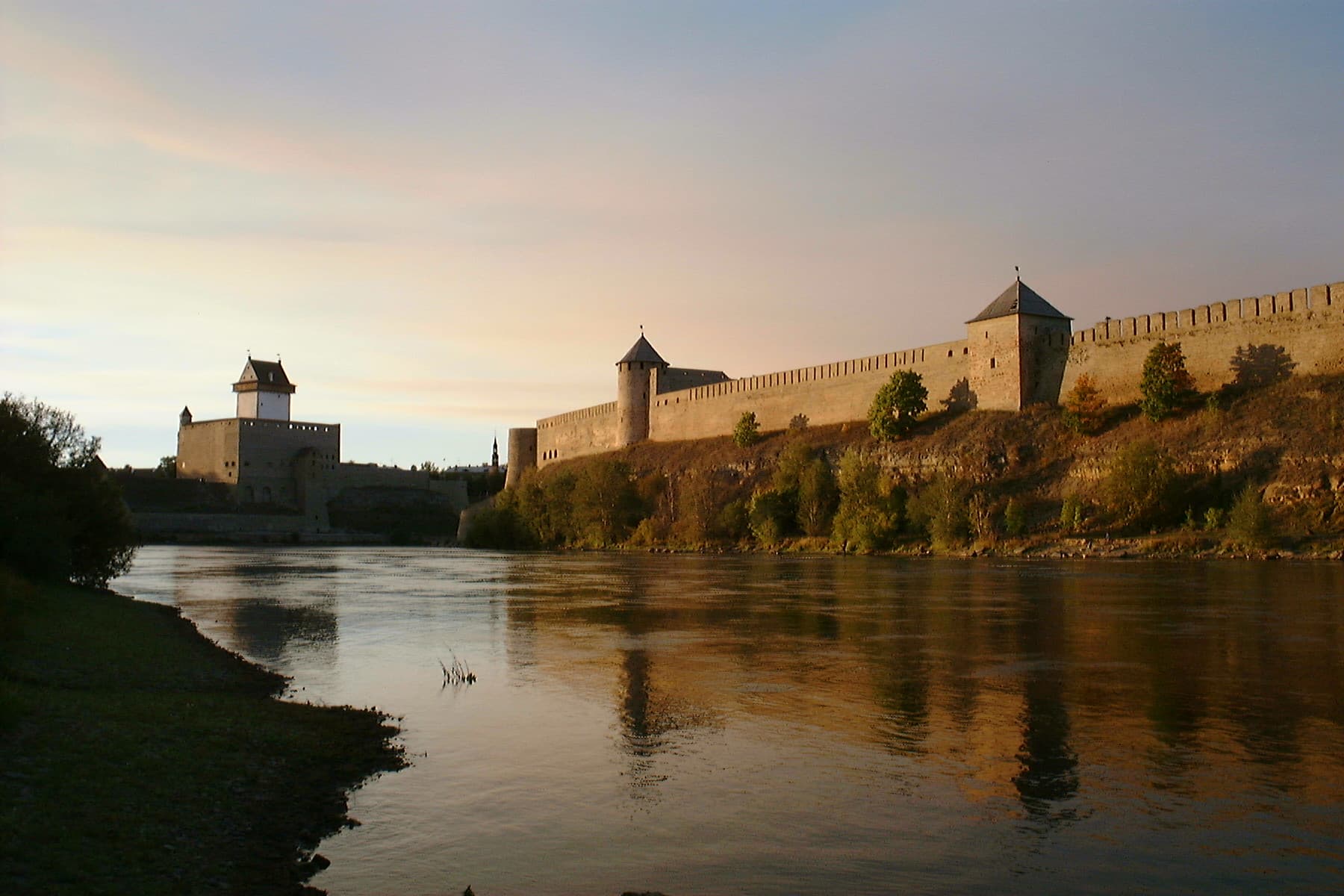
Large river draining Lake Peipus to the Gulf of Finland and forming the border with Russia. Salmon fishing explicitly allowed on the Narva with a valid licence. Historically significant salmon runs in very different water than the short klint rivers — big-river fly fishing with streamers and heavier nymphing. Fishing card required; catch reporting mandatory. Spring-fed limestone underlies this river. Atlantic salmon are managed under national and EU Baltic conservation rules, with quotas, size limits and seasonal restrictions; catch-and-release is widely applied — check current rules before fishing.
The Narva is the largest Estonian river by discharge, carrying the outflow of Lake Peipus — the fourth-largest lake in Europe — some seventy-seven kilometres north to the Gulf of Finland, and forming the border between Estonia and Russia the whole way. It is big, slow, lowland water draining an enormous binational basin. A hydro dam at Narva has thrown a reservoir thirty-eight kilometres back upstream and tamed the once-thunderous Narva falls, so the river runs in a much-altered, regulated state, its salmon now holding to the reaches below the dam. The character is broad, deep, even-flowing water over a sand-and-rock bed on a very low gradient. Wading is limited and a question of depth and current rather than footing; this is a large river to be read by its margins, channels and the water below the falls.
Wading: Depth and current of a large regulated river
Summer-autumn runs, seasonal patterns vary by region
- Limestone
- Unconfined
- Large river