
 Stoneflies
 Caddisflies
 Gammarids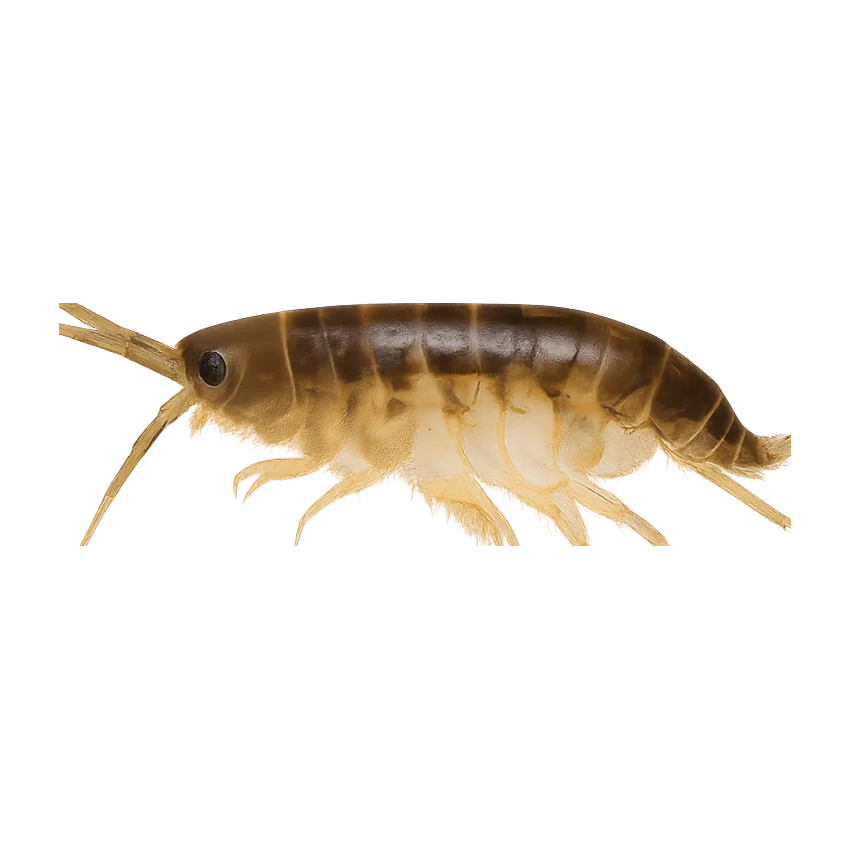
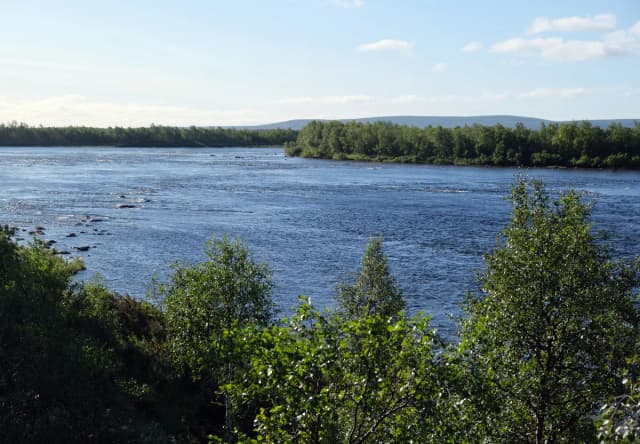
Major tributary of the Tornionjoki system in northwest Lapland—wild Atlantic salmon in Arctic water alongside brown trout and grayling. Remote and sparse-fished compared to the main Tornio. Midnight sun from June. Strong late June to August window. Granite-based upland geology shapes this river. Atlantic salmon are managed under national and shared cross-border rules, with strict quotas and seasonal limits; catch-and-release is widely applied — check current rules before fishing.
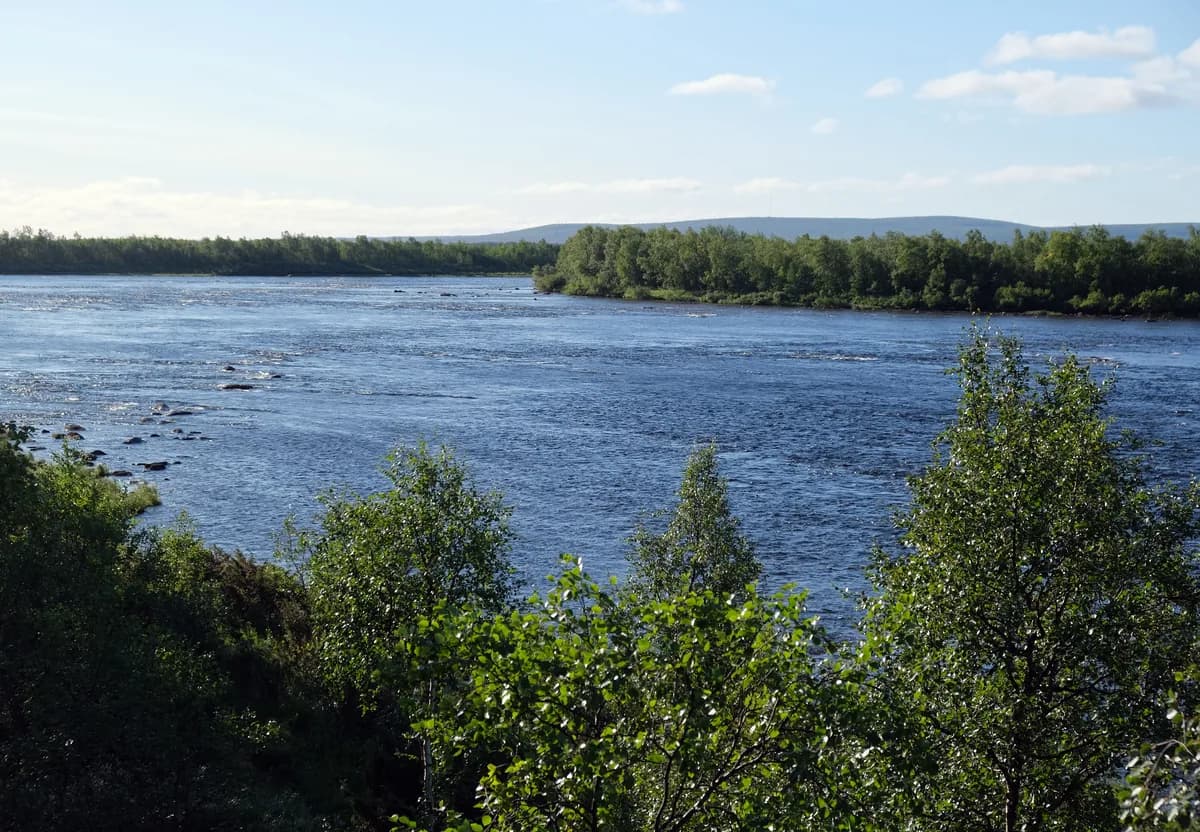
The Muonionjoki is the great northern tributary of the Torne, draining the wilderness fells of north-west Lapland and forming the Finland-Sweden border for much of its length before it gives its water to the main river below Pajala. Together they make the longest free-flowing salmon river in Europe, undammed from the fells to the Gulf of Bothnia. It is a big, wild, unregulated river over hard Precambrian shield rock, its character swinging from rapids barely a hundred metres wide to calm reaches a kilometre across. The migrating salmon climb hundreds of kilometres into Lapland to spawn, sharing the water with sea trout and grayling. The character is broad northern water — powerful rapids strung between long even runs — on a gentle gradient. Wading is bold-water work, secure enough on the gravel runs but demanding respect in the heavier rapids.
Wading: Powerful rapids on a very large river
- Granite
- Unconfined
- Rapids
- Pool riffle