
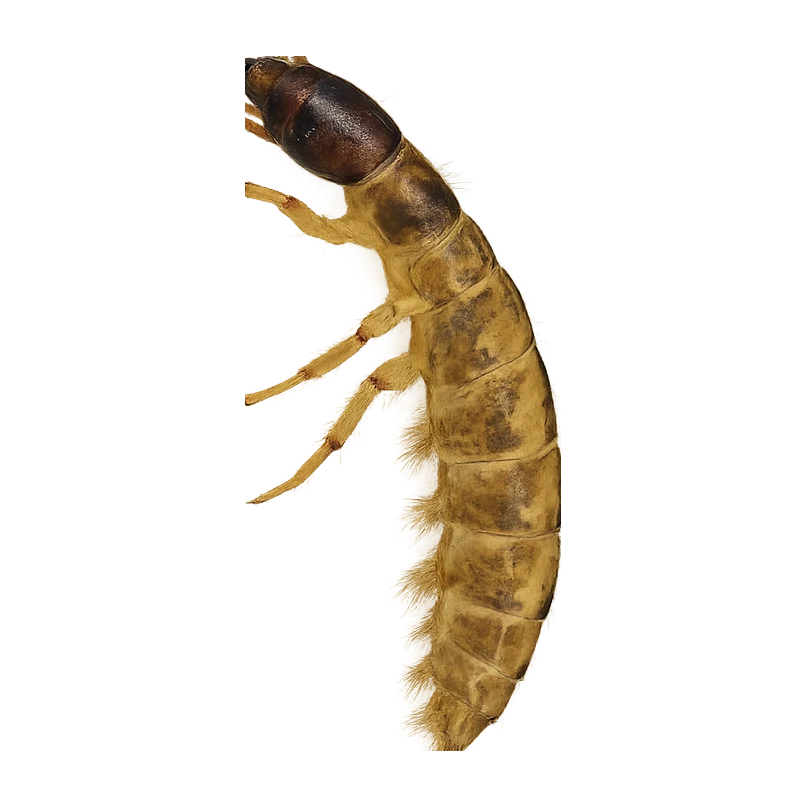
 Stoneflies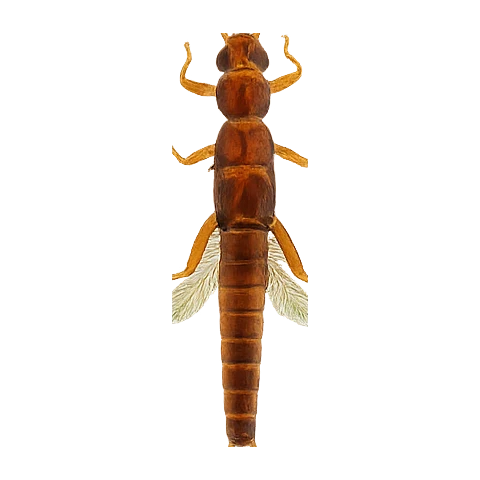
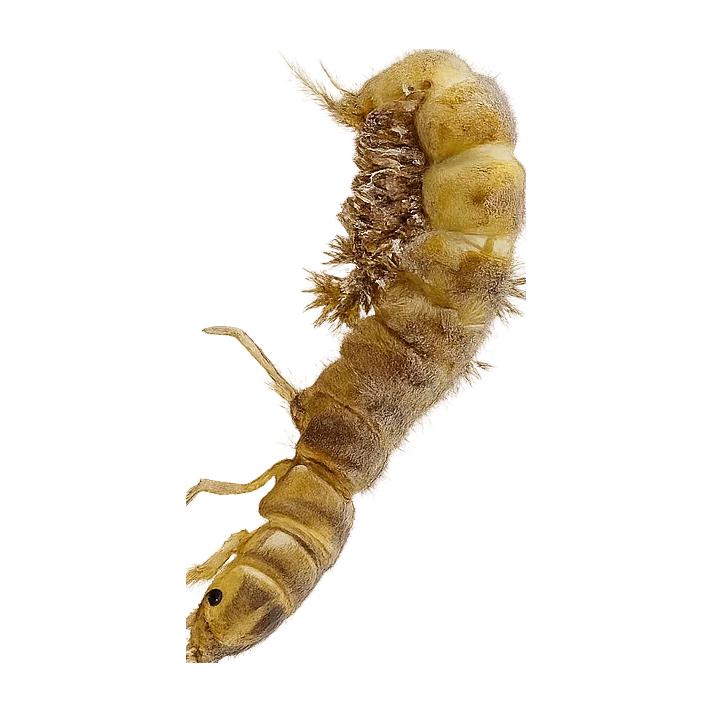
 Caddisflies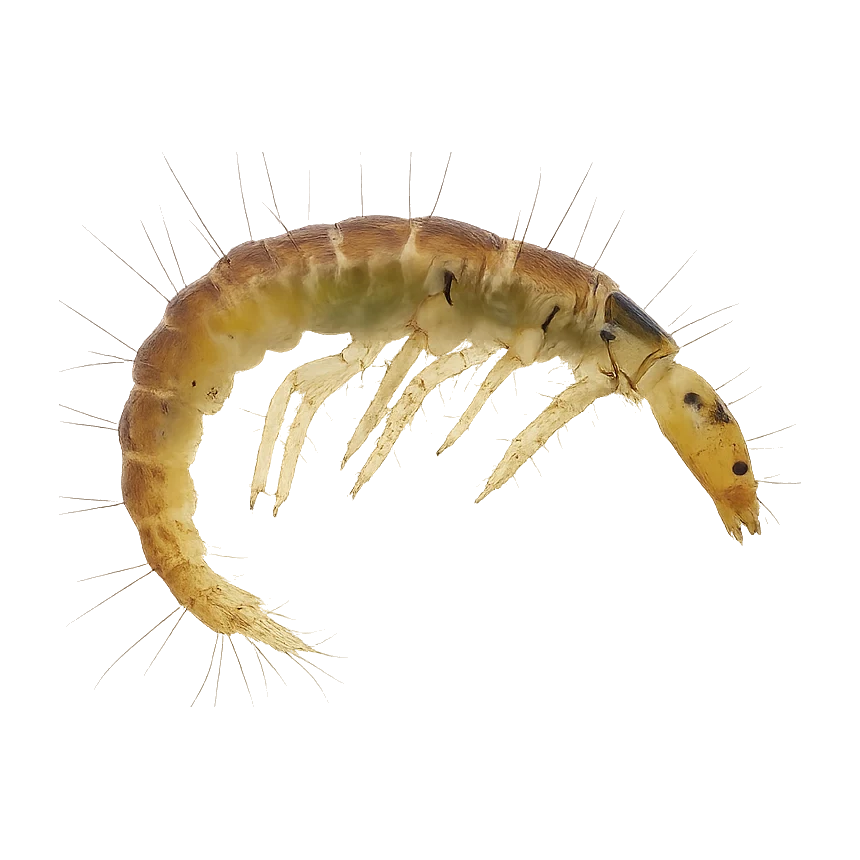
 Gammarids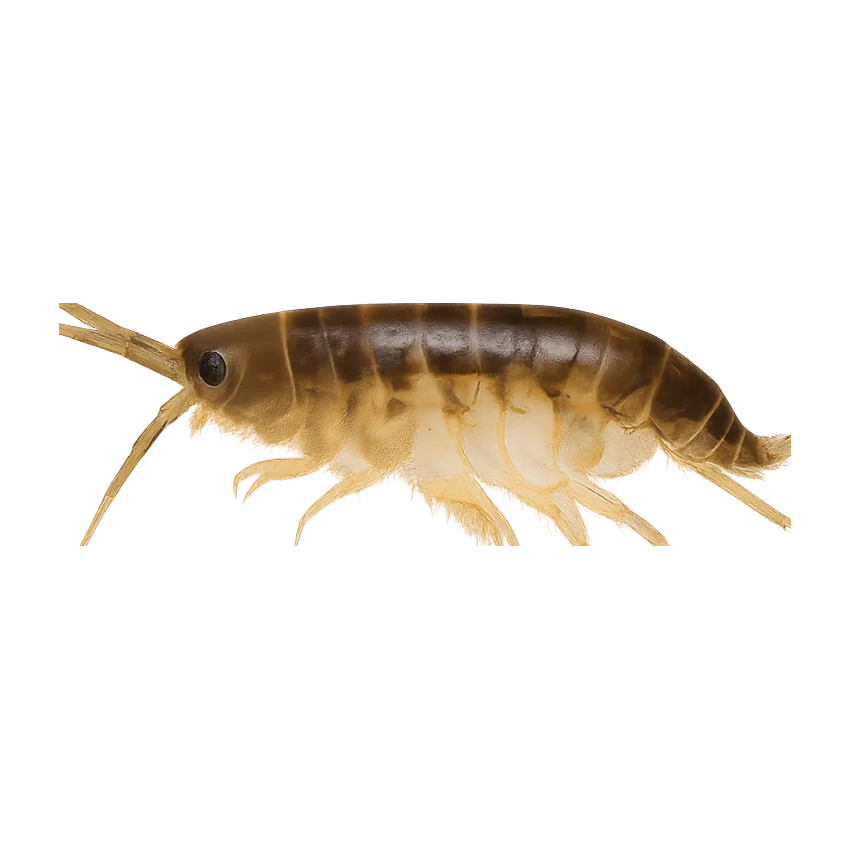

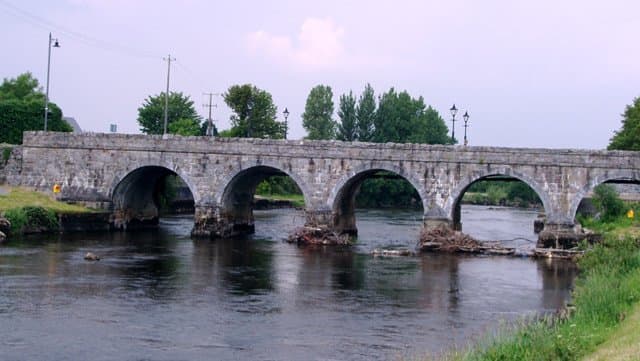
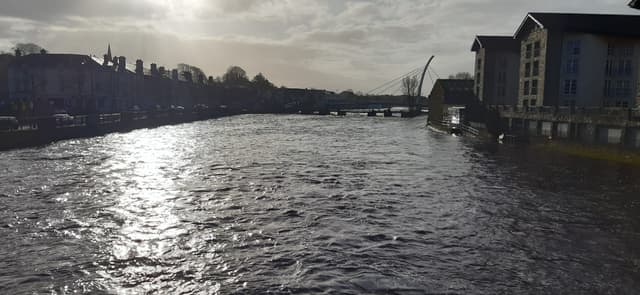
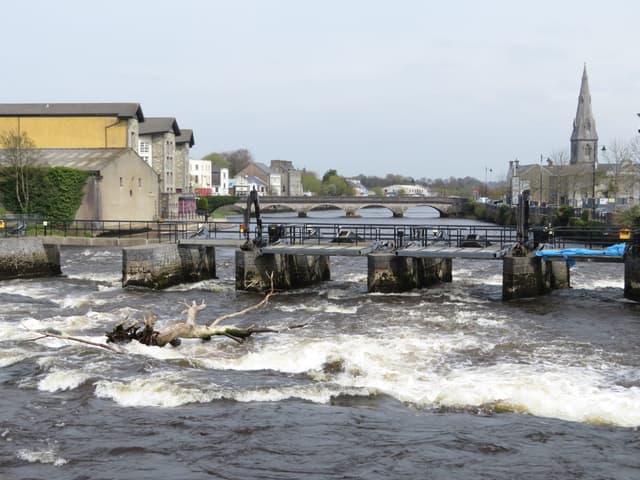
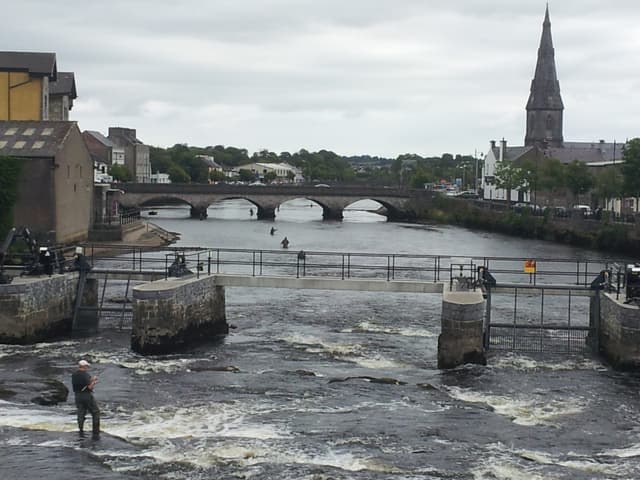
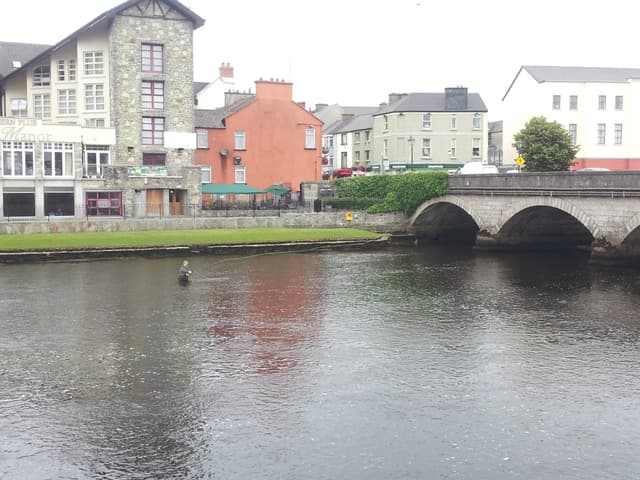
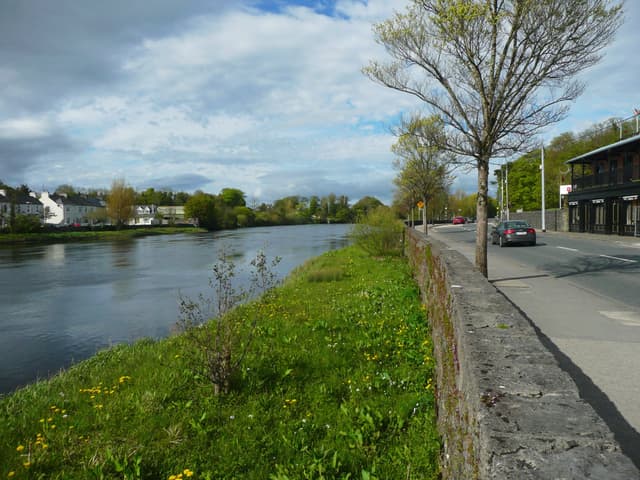
The most productive salmon river in the country, the Moy system draining fully half of County Mayo before it reaches Ballina as a fishery managed about as well as any in Ireland — five prime beats among them Ridge Pool, Cathedral Beat and Mount Falcon, with the public Point beat holding the tideway. Spring fish run from February through May; the grilse build from June and peak through July, when the Ridge Pool and Cathedral Beat fish at their best. Sea trout arrive from June and are every bit as much the target through summer and autumn as the salmon, particularly on the lower beats and the tidal pools. The Moy answers rain quickly — eight to ten hours — and a six-inch rise after a dry spell will move fish through the whole system; fish it as a proper spate river in the twelve to thirty-six hours after the rain, as the water drops and clears. Tide matters on the lower beats too: the backwater drowns the lies for a couple of hours either side of high water, so it's worth checking the Killala Bay tables and planning around a falling tide rather than fighting one. An afternoon on the Ridge Pool with the tide falling and the river dropping after rain is close to as good as salmon fishing gets anywhere. Prices on the Ridge Pool run from around €20 in early spring to €60–85 through June and up to €125 at the peak of the grilse run in July; the Point costs about €25 a day. Book through the IFI Moy Fishery office. Fish across and down with small doubles, 10 to 12, through summer, and size 6 to 8 tubes on a sink-tip in spring — darken the fly in peaty water (Cascade, Collie Dog) and brighten it in clear conditions (Silver Stoat, Ally's Shrimp). The upper beats around Foxford offer more technical water. A guide is worth having on a first visit; the taking lies here don't announce themselves from the bank. The river breaks down into several distinct fisheries — Ridge Pool and Cathedral Beat in Ballina, private and top of the market; roughly 13 km of state water above Ballina held by the East Mayo Anglers Association, the most accessible option for a visiting rod; the Mount Falcon Estate water near Foxford, also private; and a mix of IFI and club water through the middle and upper river, each with its own booking arrangements and pricing worth checking before travelling. For 2026 the fishery remains open — salmon may be retained in season under the Wild Salmon & Sea Trout Tagging Scheme and its bag limits, with catch-and-release outside that window.
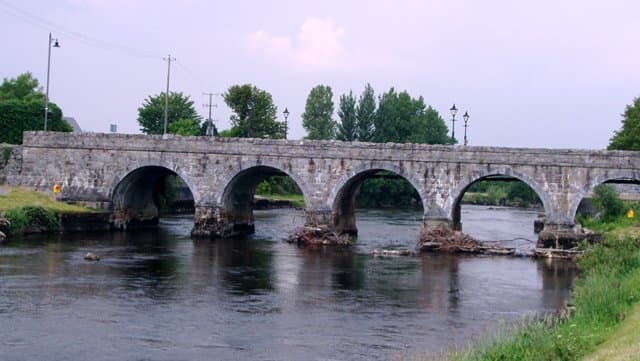
The Moy rises on the southern flank of the Ox Mountains and then spreads out as one of the finest meandering lowland rivers in Ireland, draining a 2,086 km² catchment that covers two-thirds of County Mayo. Below Foxford the channel runs through thick Holocene alluvium — sands, gravels and silts laid over Carboniferous limestone — and develops the dramatic U-shaped Rinnananny bends on its way to Ballina. The main stem is up to 40 m wide, partly-confined by low river terraces, and carries a stable gravel-cobble bed armoured by the long fetches between bends. Classic pool-riffle structure dominates, with outer-bank scour pools and point-bar riffles. At Ballina the salmon weir holds fish against the tidal backwater of Killala Bay; for two hours either side of high water the lower pools drown out.
Wading: Tidal drown out on lower pools
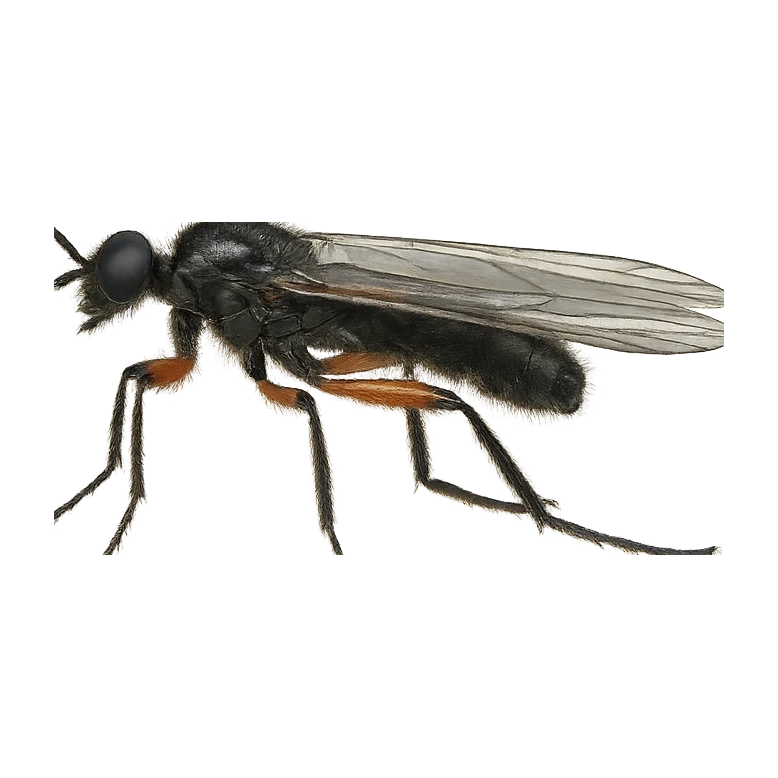
EPA monitoring across the Moy's WFD reaches confirms mayflies, stoneflies, caddis, aquatic diptera and freshwater crustaceans including gammarus are present. This is a broad presence record from kick sampling across multiple river segments, not evidence of emergence timing or a dependable rise.
- Mixed
- Partly confined
- Pool riffle
- Glide