
 Mayflies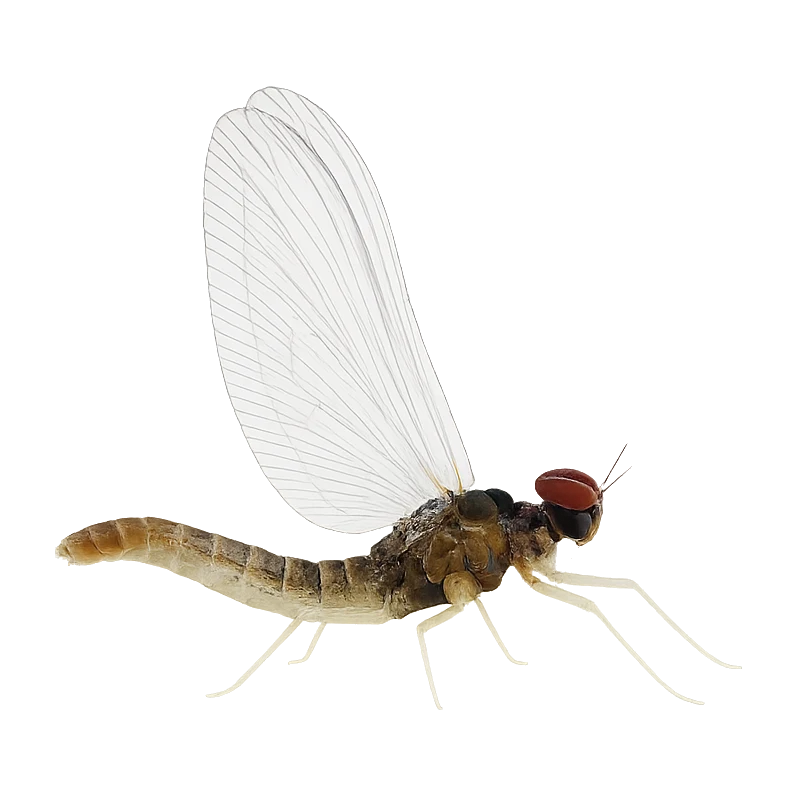
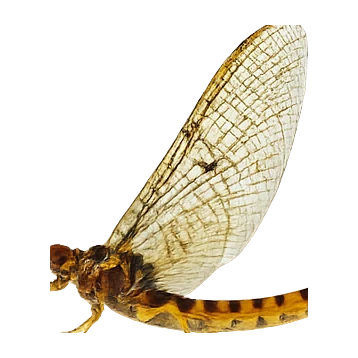
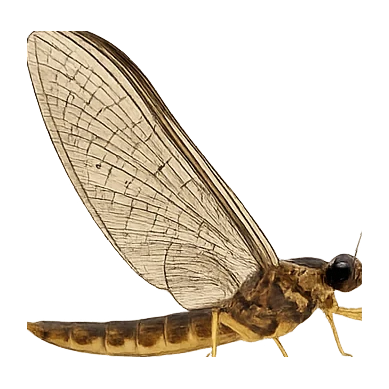
 Chironomids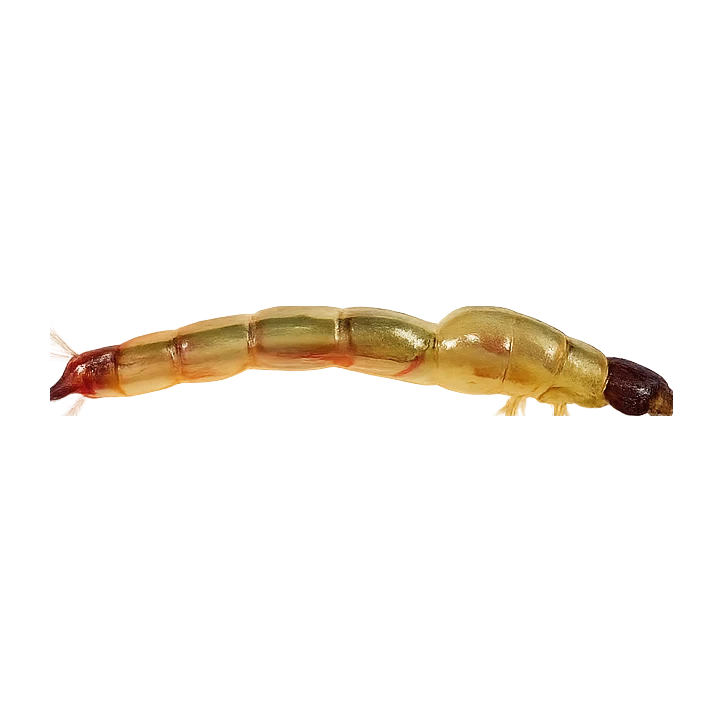
 Gammarids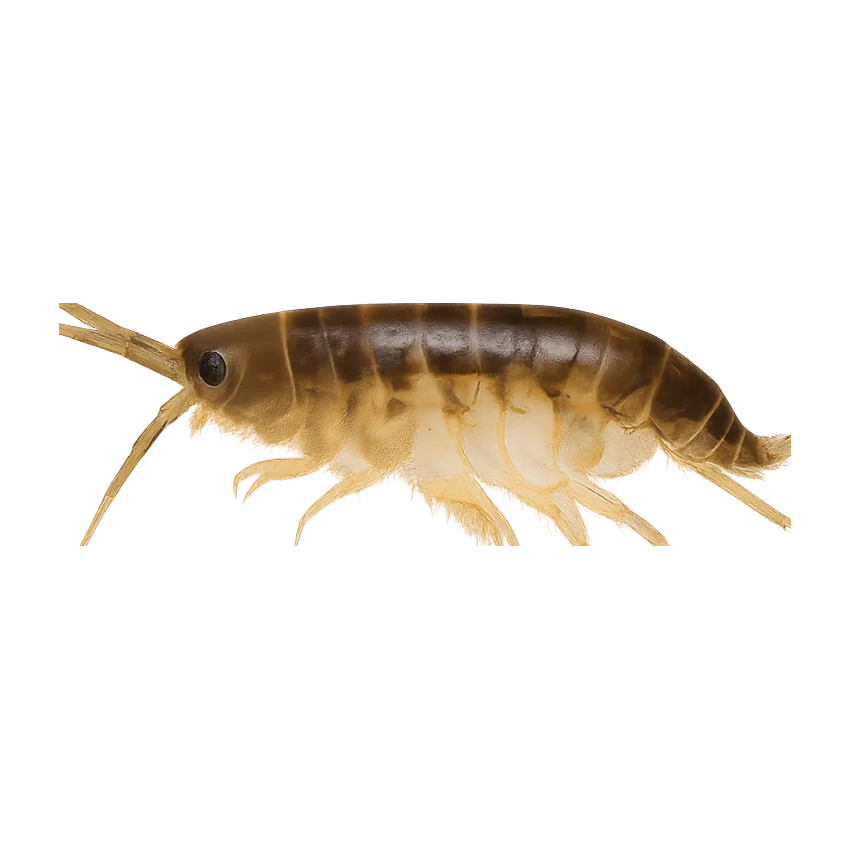

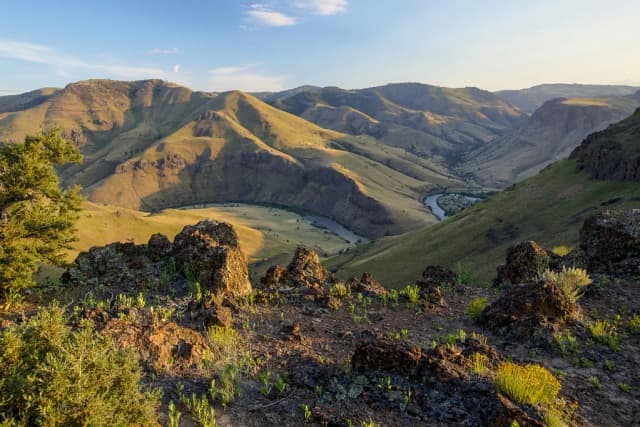
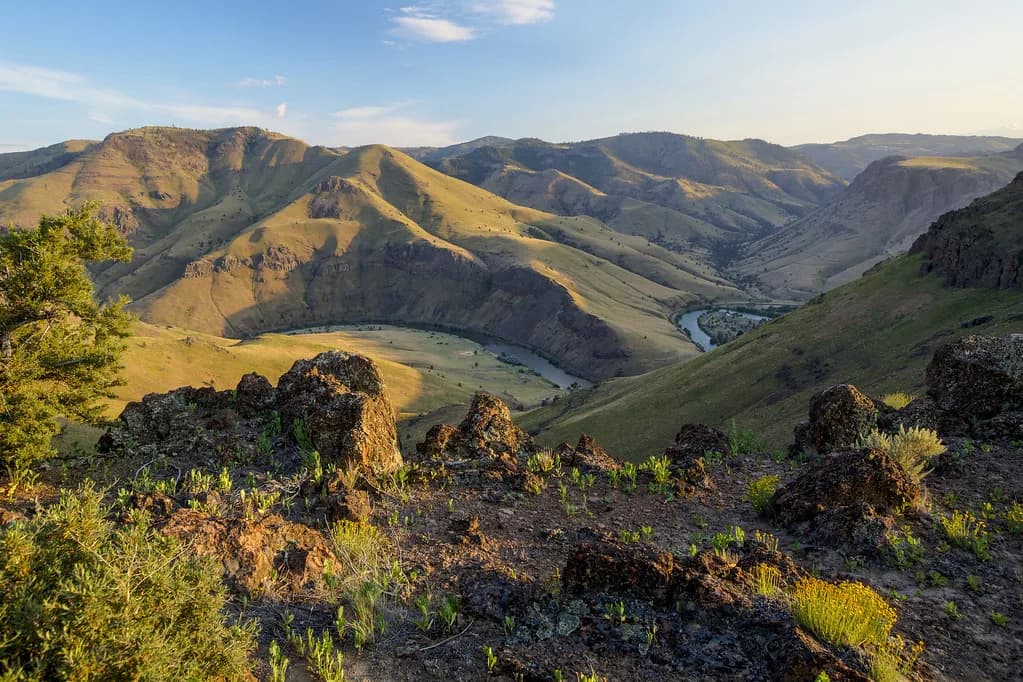
The Deschutes is a big, muscular desert river running through a basalt canyon, and it carries two fisheries that barely speak to each other. There's the redband trout — wild, hard-shouldered fish that eat the famous salmonfly and golden stone hatch in late spring and rise to caddis through the summer evenings — and there's the summer steelhead, which is a religion. Fish begin nosing in from the Columbia in June, the run builds through August and September over Sherars Falls, and they're swung up on a wet line and a sparse fly the way the old hands insist it should be done. The canyon is roadless in long stretches, fished from the bank or out of a drift boat, and the wind can stand you up. The real question, summer or fall, is always the same: is it in shape, is it the right temperature, and is the run actually here. In the heat of summer the afternoon closures aren't bureaucracy — they're the river telling you to fish the cool of the morning and leave the fish alone when the water gets dangerous.
The Lower Deschutes runs north through the high desert of central Oregon toward the Columbia in a great basalt canyon, and it is two famous fish in one river — the native 'redside' rainbow, a wild, hard-fighting desert trout, and the summer steelhead that run up from the sea. It's a big, powerful, even-tempered river, spring-fed enough to hold a remarkably steady flow over a bed of basalt boulder and cobble, sliding through a canyon of stacked lava flows, sage and bunchgrass where the rattlesnakes sun and the canyon wind funnels. Wading is genuinely hazardous — the round basalt is slick and the current strong — and you fish from the bank, by law, with boats used only for transport. The redsides hold in the riffles and seams; the steelhead swing up in the famous runs. The Deschutes is desert and water and big fish, and it gets into people.
Wading: Slick basalt, strong current, no fishing from boats
- Basalt
- Confined
- Pool riffle
- Large river