

Predominantly stocked rainbow trout with a population of native wild brown trout. Some pike, perch, eels, and rudd present incidentally. Single rod only; fly, worm, or spinner only.
- Lough
- Sandstone
A southerly has held for 6 hours at much the same temperature as the 10°C water. No thermal steer either way, but the drift still stacks food against the northern end — the bank it is blowing into — so start there. This reads the upper water, though — a bottom bait at range feels it far less than a floater or a fish in the margins. Treat it as a tiebreaker between good swims rather than an override — features and angling pressure usually count for more.
Work a bushy searching pattern on the bob and drop a contrasting nymph on the point.
If the main plan is not working, switch to a smaller, more imitative pattern fished slower and deeper. A change of drift angle can also make a difference.
Keep an eye on changing conditions — wind shifts and cloud breaks can trigger short feeding spells.
Windy conditions suit anchoring in productive areas rather than open-water drifting.
Hatch predictions
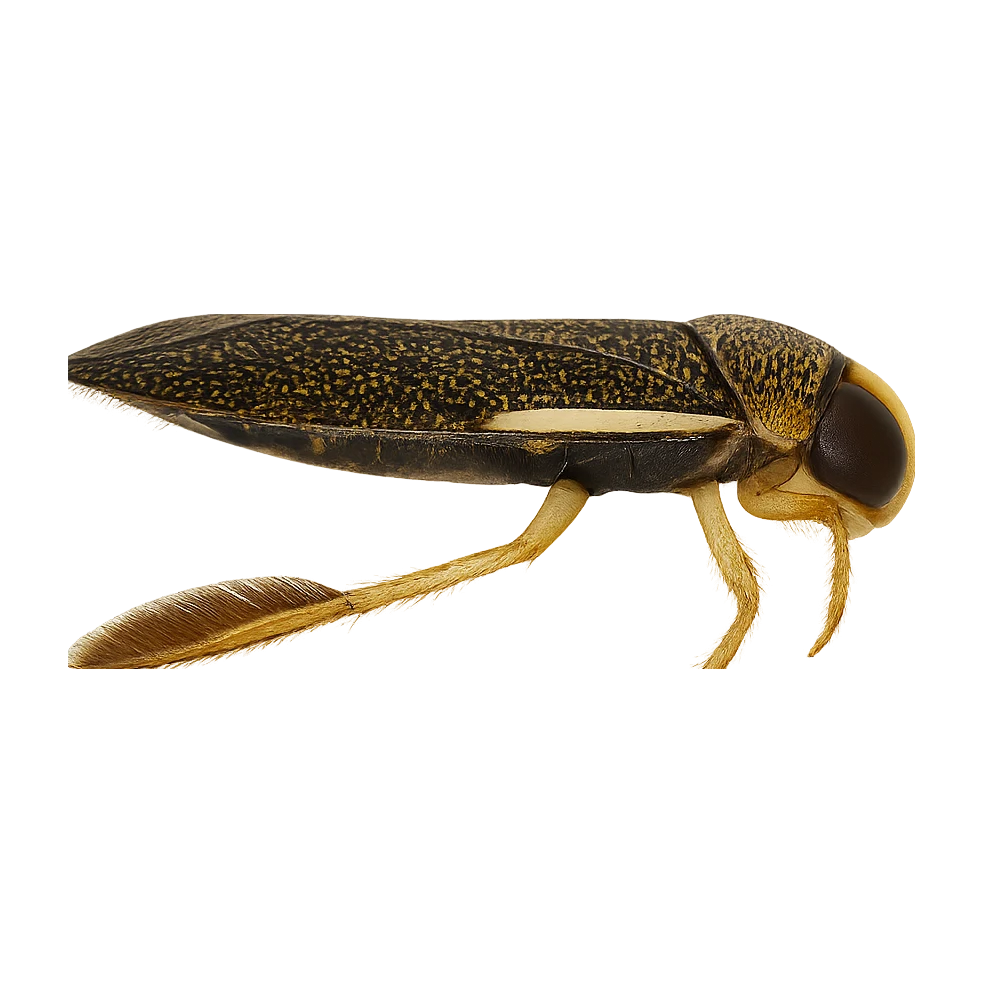
Top nymph shown — see all 2 guilds as a supporter.
Start free trial14-day free trial. Cancel anytime.
Hatch predictions
Top prey shown — see all 5 as a supporter.
Start free trial14-day free trial. Cancel anytime.
Numbers are intensity 0 (none) to 3 (peak) — a guide, not a guarantee.
Fly recommendations
Point fly shown — supporters see the whole team, sizes and why.
Start free trial14-day free trial. Cancel anytime.
Conditions are away from Lough Bofinne's sweet spot — it usually fishes best in ripple wind with cloud skies.
Predominantly stocked rainbow trout with a population of native wild brown trout. Some pike, perch, eels, and rudd present incidentally. Single rod only; fly, worm, or spinner only.
A 25-acre stocked clear-water lake near Bantry, West Cork, with exceptional shore-angling facilities.
A southerly has held for 6 hours at much the same temperature as the 10°C water. No thermal steer either way, but the drift still stacks food against the northern end — the bank it is blowing into — so start there. This reads the upper water, though — a bottom bait at range feels it far less than a floater or a fish in the margins. Treat it as a tiebreaker between good swims rather than an override — features and angling pressure usually count for more.
Work a bushy searching pattern on the bob and drop a contrasting nymph on the point.
If the main plan is not working, switch to a smaller, more imitative pattern fished slower and deeper. A change of drift angle can also make a difference.
Keep an eye on changing conditions — wind shifts and cloud breaks can trigger short feeding spells.
Windy conditions suit anchoring in productive areas rather than open-water drifting.
Hatch predictions
Top nymph shown — see all 2 guilds as a supporter.
Start free trial14-day free trial. Cancel anytime.
Hatch predictions
Top prey shown — see all 5 as a supporter.
Start free trial14-day free trial. Cancel anytime.
Numbers are intensity 0 (none) to 3 (peak) — a guide, not a guarantee.
Fly recommendations
Point fly shown — supporters see the whole team, sizes and why.
Start free trial14-day free trial. Cancel anytime.
Conditions are away from Lough Bofinne's sweet spot — it usually fishes best in ripple wind with cloud skies.
Predominantly stocked rainbow trout with a population of native wild brown trout. Some pike, perch, eels, and rudd present incidentally. Single rod only; fly, worm, or spinner only.
Lough Bofinne is a lough in South / Cork, Ireland. The catchment geology is recorded as sandstone, and the water sits at about 183 m above sea level. Species listed for this water: brown trout and rainbow trout. The trout season is recorded as running from 1 April to 30 September. Best window recorded for anglers: March–September. Core methods listed: dry fly; nymphing; wet fly. Boat fishing is recorded as available. Nearby waters in our listings include River Ilen at 16 km, River Ilen at 16 km and Gougane Barra at 18 km.