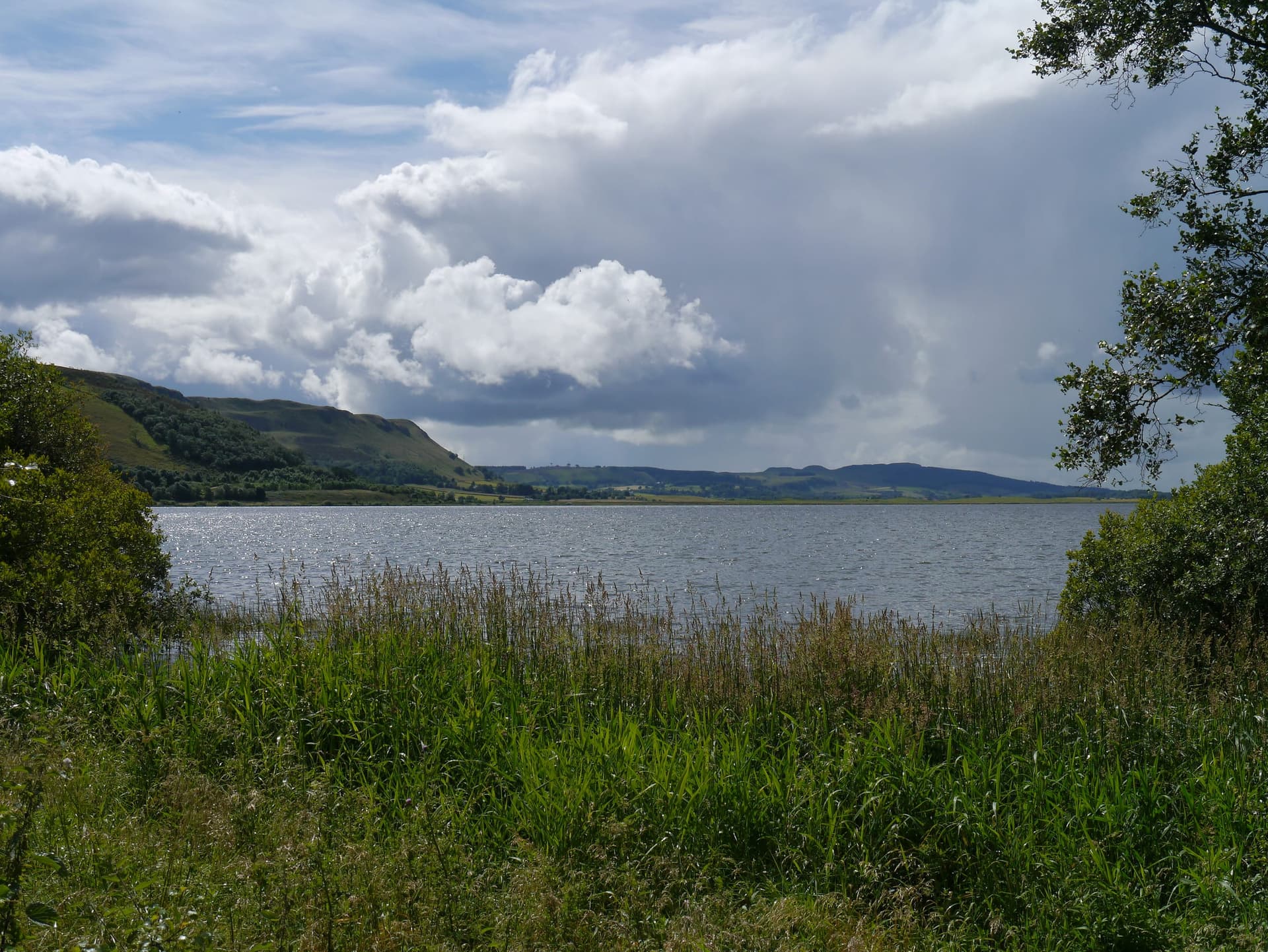


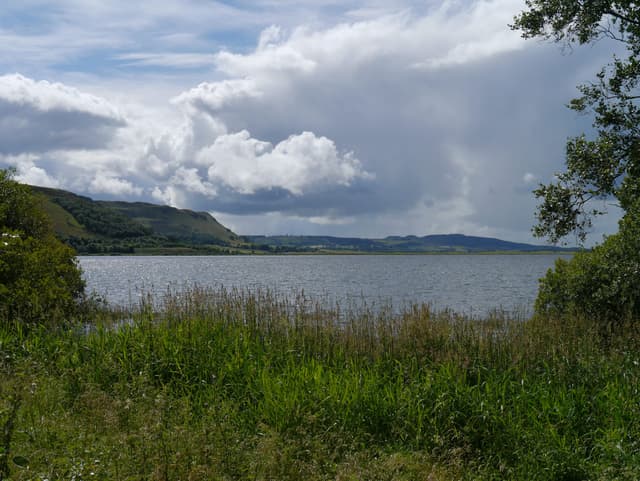
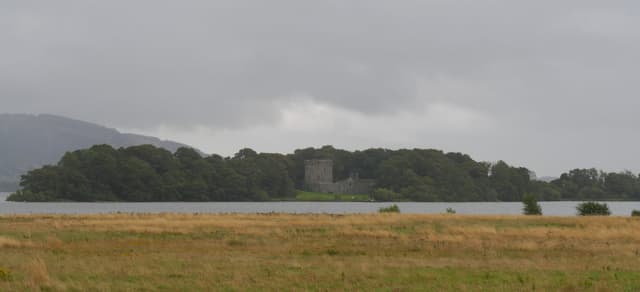
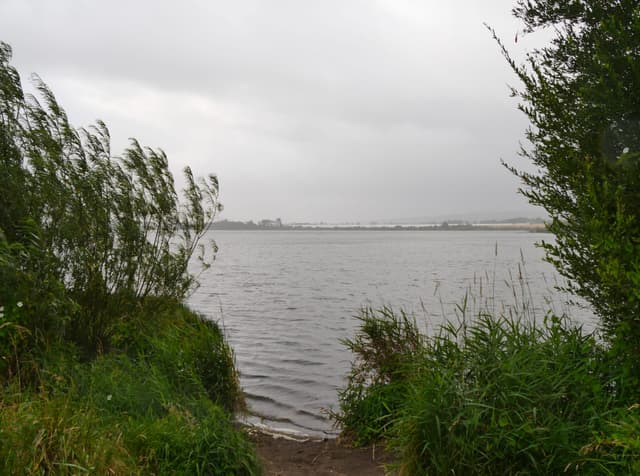
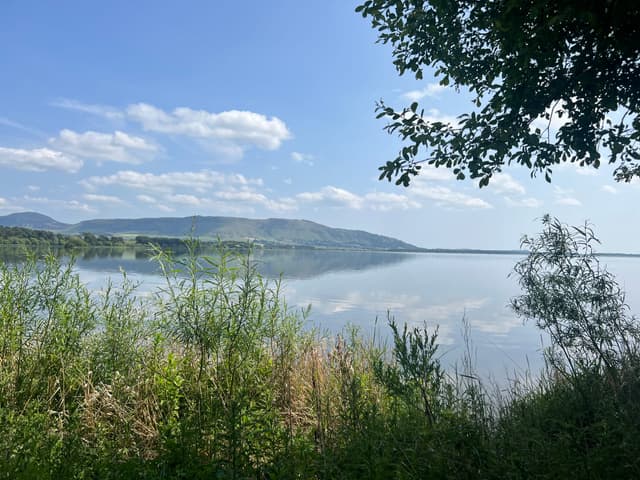
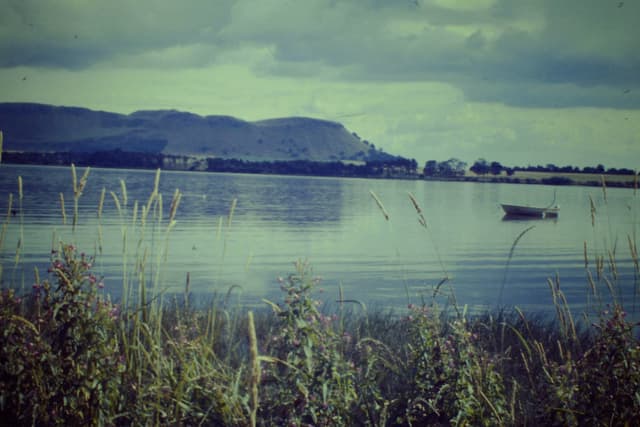
Loch Leven is the venue that gave its name to a strain of trout. That alone should tell you something. For over a century this broad Kinross-shire loch was the benchmark — the water against which other stillwaters were measured, the place where international competitions were decided, the hatchery that seeded half the reservoirs in Britain with fish that carried its name. It's a shallow, fertile, wind-blown loch fished almost entirely from boats drifting the loch-style way with teams of wets on the bob. The trout are not huge by modern standards but they fight hard, take with conviction, and there is something quietly affecting about casting a fly over water that has mattered for so long, to so many people. A fish from Loch Leven is a fish with history.
Good drifting conditions on Loch Leven
Good wave on — drift country. A useful wave. Work the productive shore.
No strong hatch signals at the moment — general searching tactics should work best. Drift conditions look good — cover the wind lanes.
Conditions on the water
Some readings unavailable — check directly before fishing.
The brief
The plan
Set up a broadside drift and cover the water systematically. Work Kate McLaren on the bob and Pheasant Tail Nymph on the point.
If the main plan is not working, switch to a smaller, more imitative pattern fished slower and deeper. A change of drift angle can also make a difference.
Keep an eye on changing conditions — wind shifts and cloud breaks can trigger short feeding spells.
A gentle ripple is ideal for drifting — broadside drift covering the wind lanes should be productive.
What's on, when
Numbers are intensity 0 (none) to 3 (peak) — a guide, not a guarantee.
Top pattern + the box
Why today scores what it does
- late spring conditions with overcast skies and ripple wind.
Precipitation
Who this water suits
Loch Leven, on the water
Field guide · contributor-editedWhat this water is
Loch Leven is the venue that gave its name to a strain of trout. That alone should tell you something. For over a century this broad Kinross-shire loch was the benchmark — the water against which other stillwaters were measured, the place where international competitions were decided, the hatchery that seeded half the reservoirs in Britain with fish that carried its name. It's a shallow, fertile, wind-blown loch fished almost entirely from boats drifting the loch-style way with teams of wets on the bob. The trout are not huge by modern standards but they fight hard, take with conviction, and there is something quietly affecting about casting a fly over water that has mattered for so long, to so many people. A fish from Loch Leven is a fish with history.
- Loch
- Limestone
How to get to the water
Where the rules change
- TroutMid March → 6 October
Useful links
Loch Leven
Loch Leven is the venue that gave its name to a strain of trout.
Good drifting conditions on Loch Leven
Good wave on — drift country. A useful wave. Work the productive shore.
No strong hatch signals at the moment — general searching tactics should work best. Drift conditions look good — cover the wind lanes.
Some readings unavailable — check directly before fishing.
A reasonable day here, though temperature isn't quite in the sweet spot.
Set up a broadside drift and cover the water systematically. Work Kate McLaren on the bob and Pheasant Tail Nymph on the point.
If the main plan is not working, switch to a smaller, more imitative pattern fished slower and deeper. A change of drift angle can also make a difference.
Keep an eye on changing conditions — wind shifts and cloud breaks can trigger short feeding spells.
A gentle ripple is ideal for drifting — broadside drift covering the wind lanes should be productive.
- late spring conditions with overcast skies and ripple wind.
Numbers are intensity 0 (none) to 3 (peak) — a guide, not a guarantee.
Terrain map
Loch Leven is the venue that gave its name to a strain of trout. That alone should tell you something. For over a century this broad Kinross-shire loch was the benchmark — the water against which other stillwaters were measured, the place where international competitions were decided, the hatchery that seeded half the reservoirs in Britain with fish that carried its name. It's a shallow, fertile, wind-blown loch fished almost entirely from boats drifting the loch-style way with teams of wets on the bob. The trout are not huge by modern standards but they fight hard, take with conviction, and there is something quietly affecting about casting a fly over water that has mattered for so long, to so many people. A fish from Loch Leven is a fish with history.
- Loch
- Limestone
- TroutMid March → 6 October
Loch Leven is the venue that gave its name to a strain of trout. That alone should tell you something. For over a century this broad Kinross-shire loch was the benchmark — the water against which other stillwaters were measured, the place where international competitions were decided, the hatchery that seeded half the reservoirs in Britain with fish that carried its name. It's a shallow, fertile, wind-blown loch fished almost entirely from boats drifting the loch-style way with teams of wets on the bob. The trout are not huge by modern standards but they fight hard, take with conviction, and there is something quietly affecting about casting a fly over water that has mattered for so long, to so many people. A fish from Loch Leven is a fish with history.