
 Stoneflies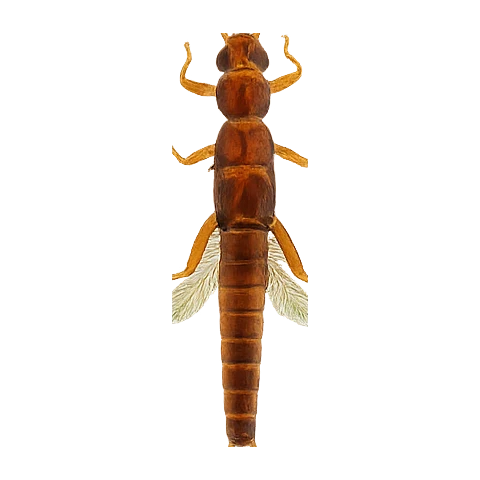
 Caddisflies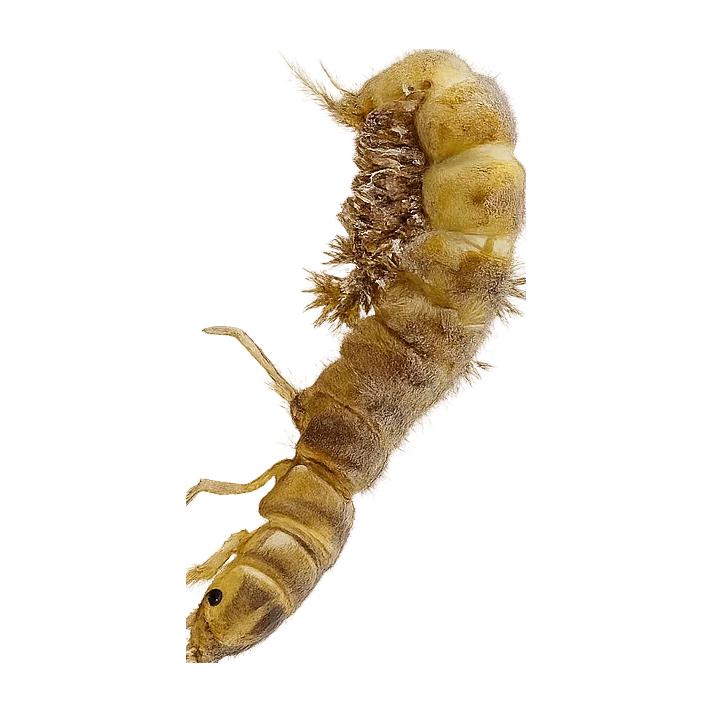

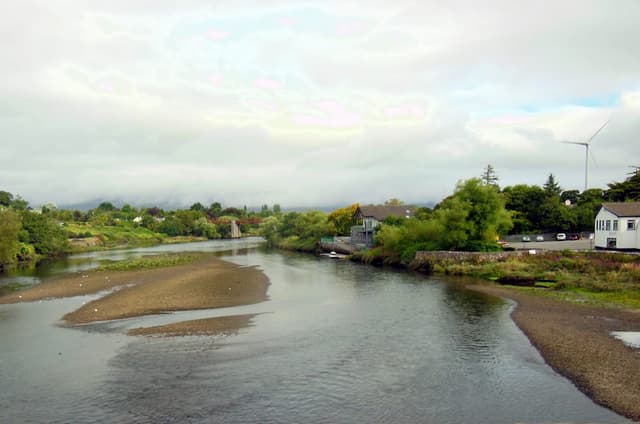
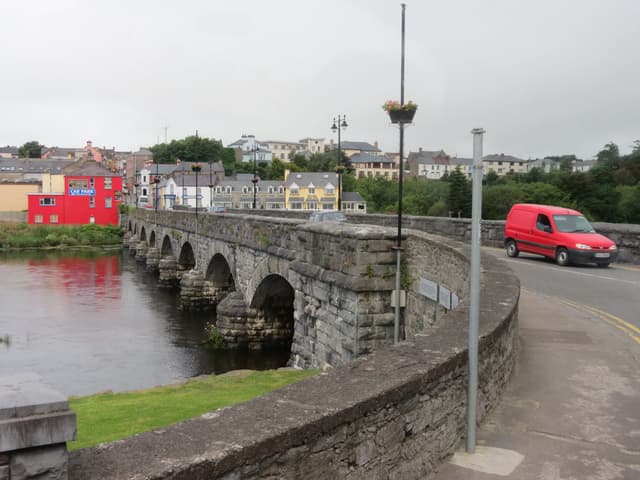
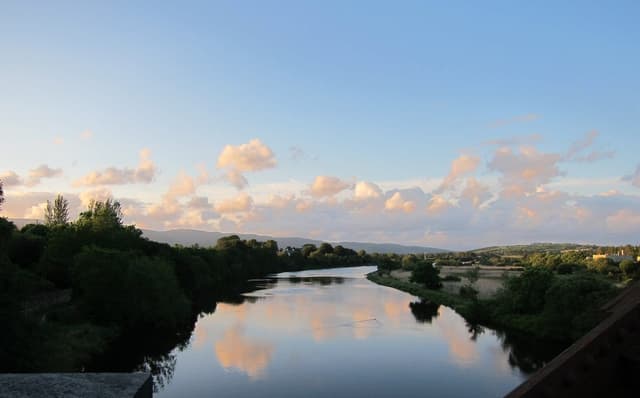
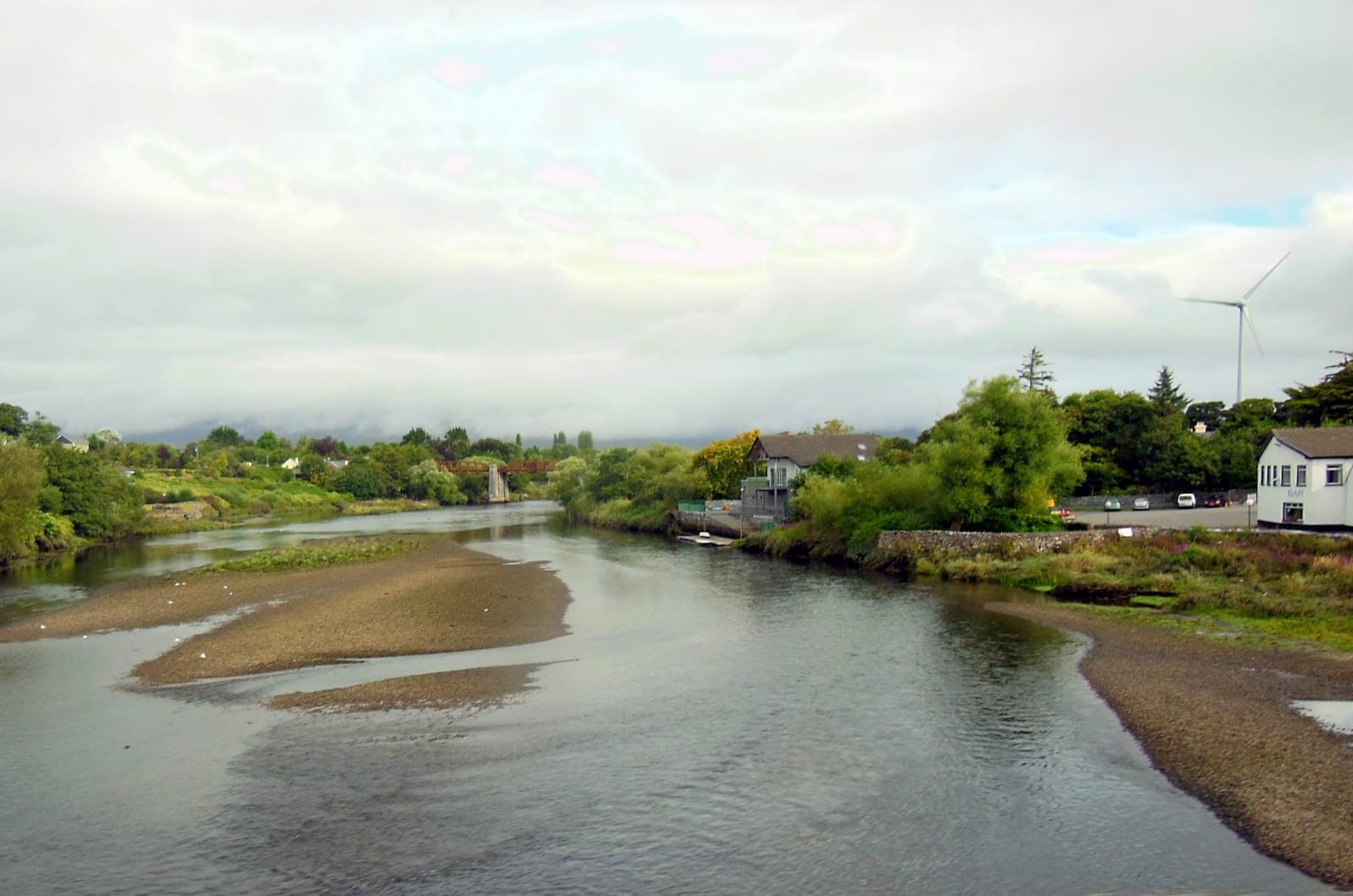
The Laune drains Lough Leane and the Killarney lakes into Dingle Bay, some twenty-two kilometres from lake to sea, and Peter O'Reilly called it, without much need for embellishment, 'a truly exceptional river.' The Laune Salmon & Trout Anglers' Association, founded in 1912 and still the oldest and largest club on the water, manages beats on both banks from Beaufort Bridge down toward Killorglin; Inland Fisheries Ireland holds Beats 1 and 2 directly, on the upper river near the Lough Leane outflow, and a handful of private fisheries account for the rest. It opens on 17 January, the earliest of Ireland's major salmon rivers, with a small spring run from late February. The main event, though, is later: grilse and larger autumn salmon build from late July and peak through September, and a great many big fish come to the fly in that month — this is, notably, a late-season river rather than an early one. The best fishing comes as the water recedes after rain has pushed through Lough Leane, and there's a lag worth knowing: rain on the MacGillycuddy's Reeks takes twelve to twenty-four hours to work through the lake system and reach the river at Killorglin, so rain tonight generally means the Laune fishes best tomorrow afternoon, or the day after that. With the forty-seven-hundred-acre Lough Leane at its head, levels stay remarkably stable, and the river is rarely unfishable outright. A nine-foot-six single-hander in 7 or 8 weight is the standard tool, with a thirteen-foot double-hander easing the work on the bigger beats; Ally's Shrimp, Cascade, Collie Dog and Stoat's Tail are the patterns that have proved themselves. Every legal method is permitted except prawn and shrimp. An adult salmon permit runs to about €30 a day, trout-only around €10. Sea trout arrive from March, some to three pounds, with finnock running from late June, and wild brown trout fishing at night is productive through summer. Three species in one valley, from a single week's base in Killarney — it's hard to think of better value in Irish fishing than that. For 2026 the fishery remains open — salmon may be retained in season under the Wild Salmon & Sea Trout Tagging Scheme and its bag limits, with catch-and-release outside that window.
The Laune is unusual among Irish salmon rivers: only 23 km long from the outflow of Lough Leane to Castlemaine Harbour, it drains an 829 km² catchment but inherits a pre-settled, lake-regulated hydrograph. The Flesk and the Gap of Dunloe streams deliver spate water into Lough Leane rather than directly into the river, so the Killarney lakes act as a vast buffering reservoir — peak flows are smoothed and low flows are sustained, and the Laune itself is rarely unfishable. Bedrock is Devonian Old Red Sandstone; the channel runs over a stable cobble-and-gravel bed through a partly-confined valley edged by glacial moraine terraces. Mean discharge is around 43 m³/s. Expect low-gradient pool-riffle and long glide reaches; response to rain on the Reeks is lagged by 12–24 hours as it routes through the lake system.
Wading: Occasional deep glides with moderate current on a smooth cobble bed
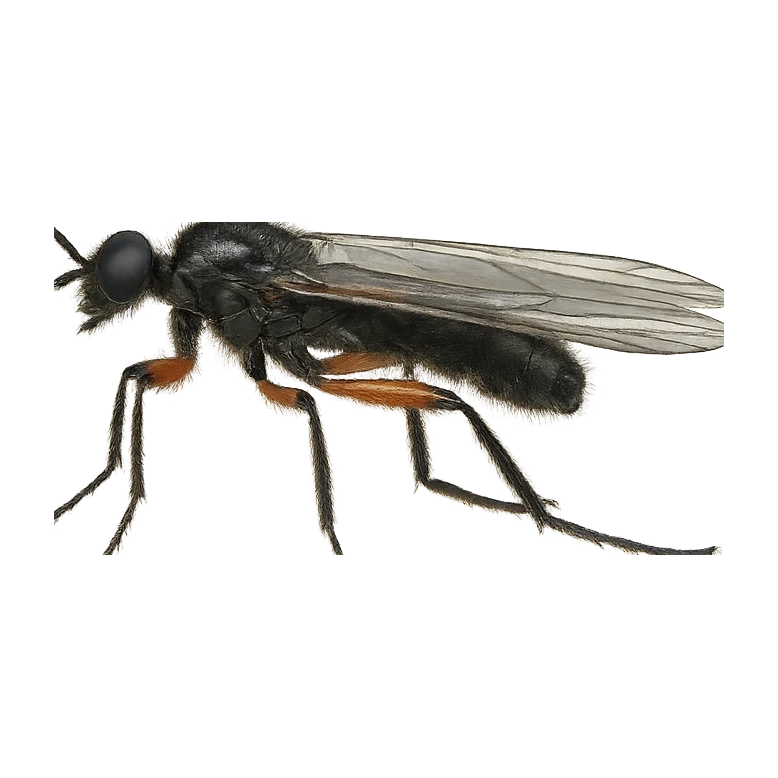
EPA freshwater monitoring on the Laune confirms mayflies, stoneflies, caddis, aquatic diptera and freshwater crustaceans are present across its monitored segments. The records establish riverbed food presence rather than emergence timing or a dependable rise.
- Sandstone
- Partly confined
- Pool riffle
- Glide