
 Chironomids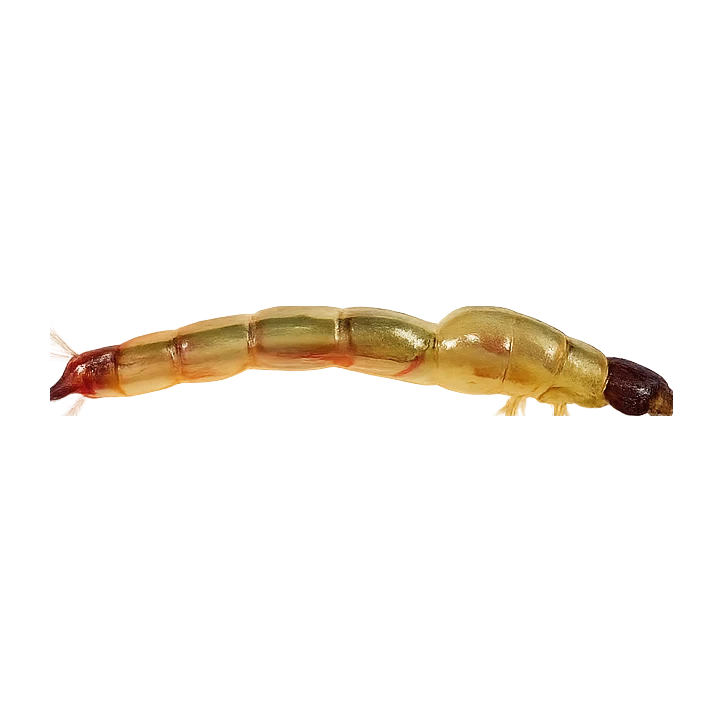
 Gammarids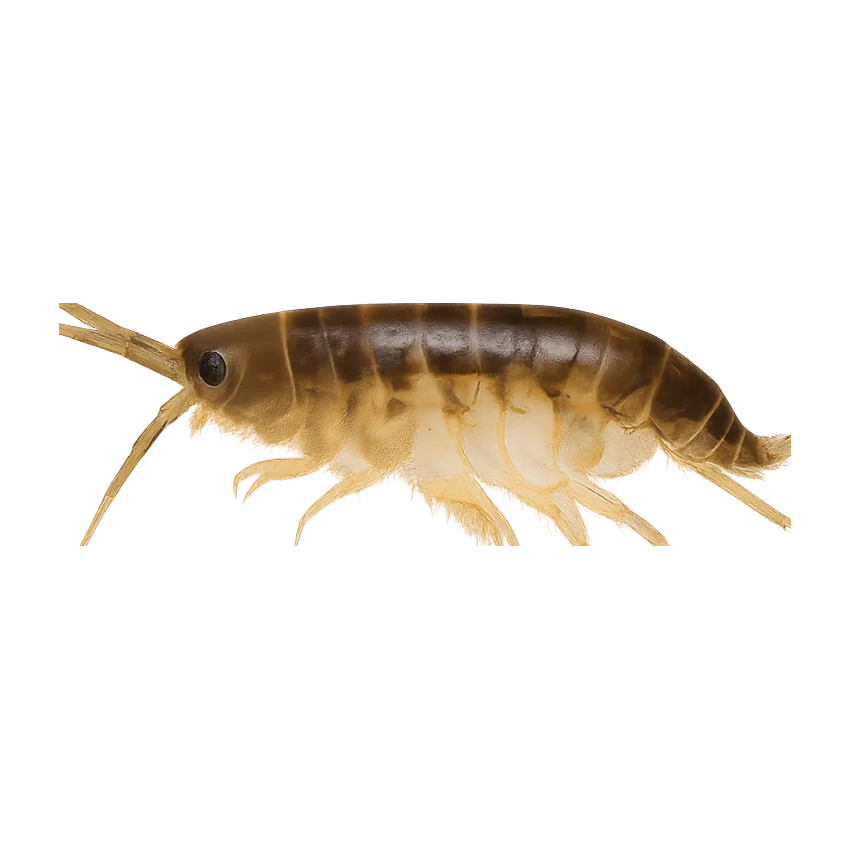
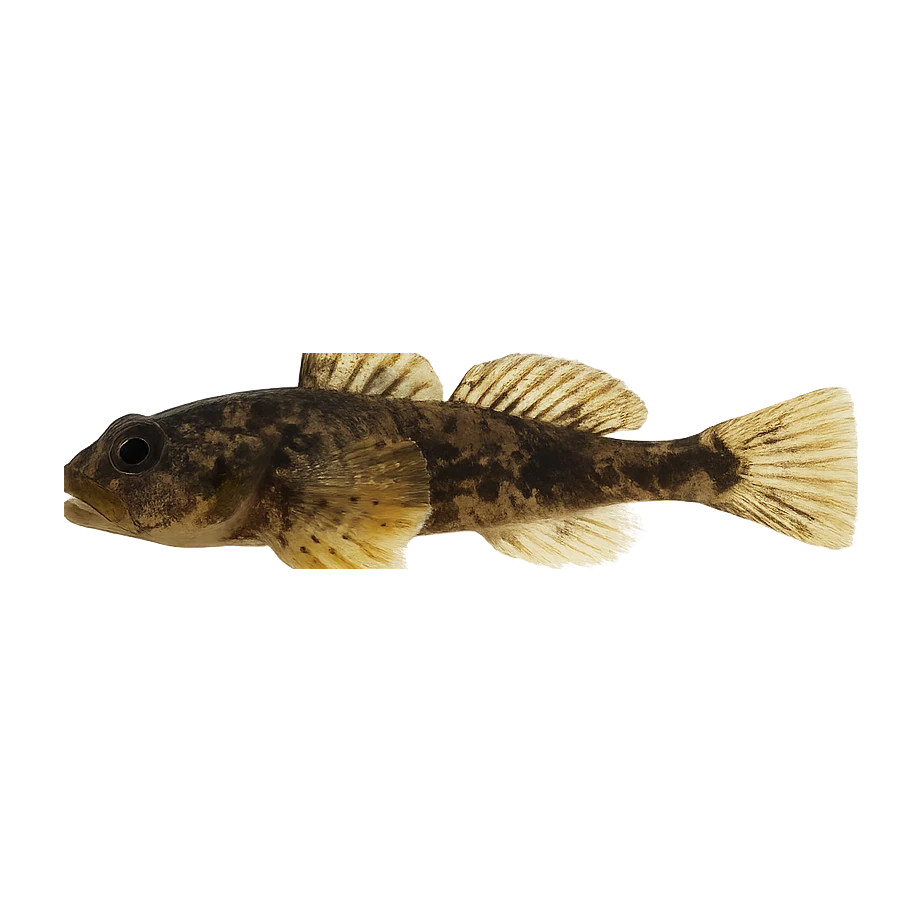
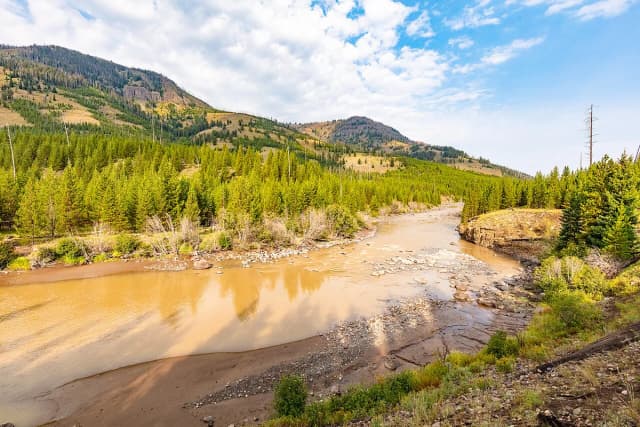
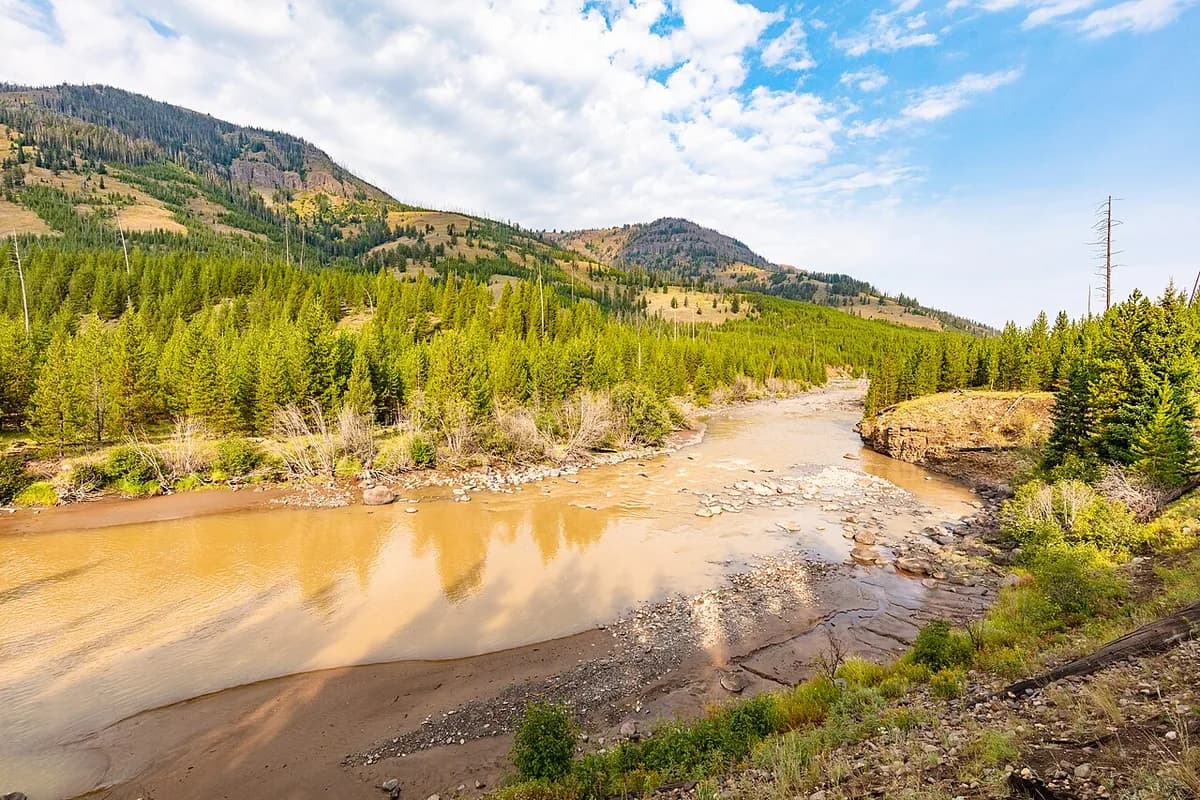
The Lamar Valley, with Slough and Soda Butte feeding in, holds wild, free-rising Yellowstone cutthroat in country that still feels like wilderness. It's a terrestrial game from mid- to late summer once the river clears — hoppers, ants, beetles to fish that want to eat off the top. A summer storm can turn it to chocolate milk for days, and there's no arguing with that. This is native-species water under Park regulation; treat the cutthroat as the irreplaceable things they are.
The Lamar runs through the closest thing Yellowstone has to the Serengeti — a wide, open glacial valley of grassland and sage where the bison graze and the wolves work the far slopes. It's a freestone river of the high country, snowmelt-fed and unregulated, brown with runoff into July and then dropping into a clear, gravel-bottomed meander that braids across the valley floor. This is native Yellowstone cutthroat water, and the fish are everything the cutthroat is supposed to be: willing, beautiful, and not always as easy as their reputation when the valley wind is up and they're sipping hoppers along the cut banks. The bed is rounded volcanic cobble and gravel; the banks are grass and undercut sod. Wading is straightforward when the river's down, and the whole business of fishing it is half watching the water and half watching the wildlife.
Wading: High off color runoff into July
- Mixed
- Unconfined
- Pool riffle
- Meandering