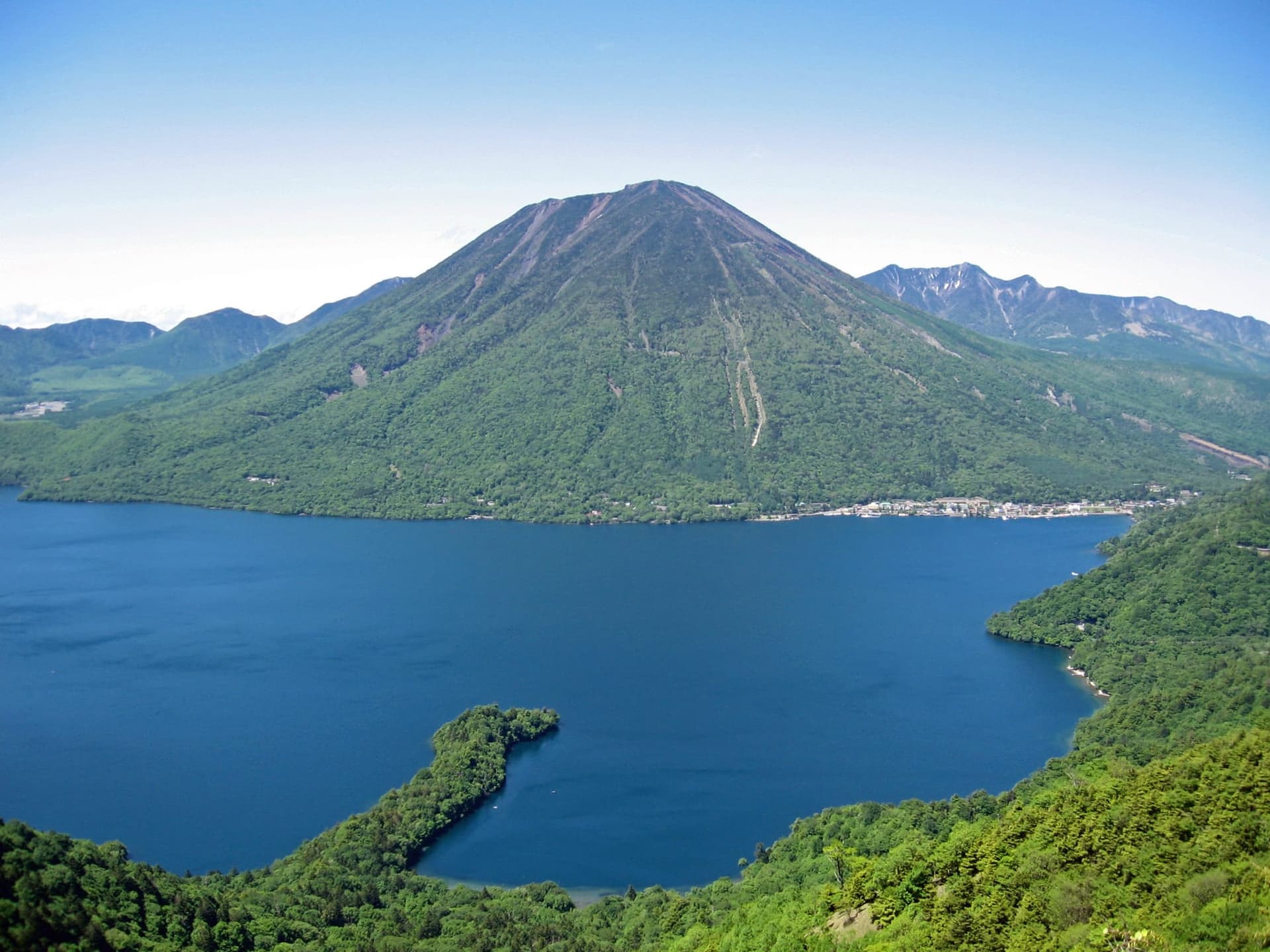


Lake Chūzenji lies high above Nikkō, dammed by an old lava flow from Mount Nantai, and it carries a curious history: brown trout brought in by foreign residents more than a century ago, which took hold and grow large in the cold mountain water. A place of shrines, waterfalls and autumn maples, and a rare Japanese lake where the brown trout is the prize.
A respectable few hours, if you choose your moments
Good wave on — drift country. A useful wave. Work the productive shore.
Live now
Conditions on the water
Trends shown where the gauge supports them
Some readings unavailable — check directly before fishing.
How to fish · for brown trout
The brief
When · where · method · kit
Today's tactical plan
The plan
Plan A · Plan B · what to watch · bank or boat
Set up a broadside drift and cover the water systematically. Work a bushy searching pattern on the bob and drop a contrasting nymph on the point.
If the main plan is not working, switch to a smaller, more imitative pattern fished slower and deeper. A change of drift angle can also make a difference.
Evening tends to be the best period in summer — stay late if you can for a sedge or spinner fall.
A gentle ripple is ideal for drifting — broadside drift covering the wind lanes should be productive.
Hatches & runs
What's on, when
Twelve months at a glance
Numbers are intensity 0 (none) to 3 (peak) — a guide, not a guarantee.
Today's fly · curated pack
Top pattern + the box
3 patterns from this venue's curated pack
Evidence
Why today scores what it does
The factors driving today's verdict
- Wind conditions (ripple) closely match what this water fishes best in.
- Temperature (cool) is in the sweet spot for summer fishing.
Lake Chūzenji, on the water
Field guide · contributor-editedLake Chūzenji · about
What this water is
Background · character · contributors
Lake Chūzenji lies high above Nikkō, dammed by an old lava flow from Mount Nantai, and it carries a curious history: brown trout brought in by foreign residents more than a century ago, which took hold and grow large in the cold mountain water. A place of shrines, waterfalls and autumn maples, and a rare Japanese lake where the brown trout is the prize.
A high volcanic lake above Nikkō, formed when Nantai's lava dammed the valley — cold, deep and steeped in temple history. Brown trout introduced by early foreign residents thrive alongside char and kokanee, against a backdrop of shrines, falls and turning maples.
Wading: High cold lake, steep forested banks — boat/shore
- Lake
- Volcanic
- Stillwater
- Drop off
Lake Chūzenji · directions
How to get to the water
Lake Chūzenji · zones
Where the rules change
Seasons · zones · per-species rules
- Charlate February to April → late September to mid-October
Lake Chūzenji · permits
Good to know
- Local permit/charge and seasonal rules apply on this managed lake; confirm the current year.
Lake Chūzenji · learn
Related guides
Learn-zone playbooks for this water
Lake Chūzenji
Lake Chūzenji lies high above Nikkō, dammed by an old lava flow from Mount Nantai, and it carries a curious history: brown trout brought in by foreign residents more than a century ago, which took hold and grow large in the cold mountain water.
A respectable few hours, if you choose your moments
Good wave on — drift country. A useful wave. Work the productive shore.
Some readings unavailable — check directly before fishing.
Conditions are ideal for Lake Chūzenji — wind, cloud and temperature all line up.
Set up a broadside drift and cover the water systematically. Work a bushy searching pattern on the bob and drop a contrasting nymph on the point.
If the main plan is not working, switch to a smaller, more imitative pattern fished slower and deeper. A change of drift angle can also make a difference.
Evening tends to be the best period in summer — stay late if you can for a sedge or spinner fall.
A gentle ripple is ideal for drifting — broadside drift covering the wind lanes should be productive.
- Wind conditions (ripple) closely match what this water fishes best in.
- Temperature (cool) is in the sweet spot for summer fishing.
Numbers are intensity 0 (none) to 3 (peak) — a guide, not a guarantee.
Terrain map
- Local permit/charge and seasonal rules apply on this managed lake; confirm the current year.
Lake Chūzenji lies high above Nikkō, dammed by an old lava flow from Mount Nantai, and it carries a curious history: brown trout brought in by foreign residents more than a century ago, which took hold and grow large in the cold mountain water. A place of shrines, waterfalls and autumn maples, and a rare Japanese lake where the brown trout is the prize.
A high volcanic lake above Nikkō, formed when Nantai's lava dammed the valley — cold, deep and steeped in temple history. Brown trout introduced by early foreign residents thrive alongside char and kokanee, against a backdrop of shrines, falls and turning maples.
Wading: High cold lake, steep forested banks — boat/shore
- Lake
- Volcanic
- Stillwater
- Drop off
- Charlate February to April → late September to mid-October
Lake Chūzenji lies high above Nikkō, dammed by an old lava flow from Mount Nantai, and it carries a curious history: brown trout brought in by foreign residents more than a century ago, which took hold and grow large in the cold mountain water. A place of shrines, waterfalls and autumn maples, and a rare Japanese lake where the brown trout is the prize.