 Gammarids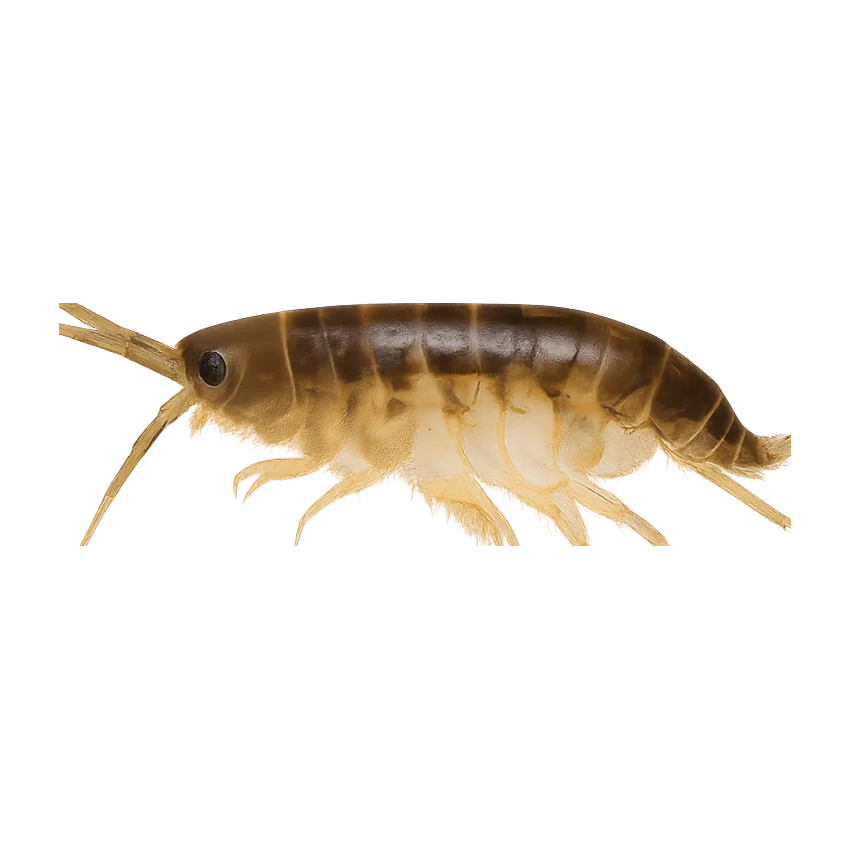
The Kenai is the Alaska river most travellers actually reach — a road-access giant of startling turquoise glacial water on the Kenai Peninsula, where the Russian River joins it at Cooper Landing in a famous tangle of sockeye, anglers and bears. It's a genuine big-fish trout and Dolly Varden fishery built on the salmon cycle: bows and Dollies follow the sockeye and feed hard on eggs and flesh, and the autumn rainbow fishing on beads is superb. But this is exactly the river where anglers need the plain truth, not hype: King salmon fishing is CLOSED on the Kenai in 2026 by emergency order — both runs, no catch-and-release — so kings are strictly informational here. Sockeye and coho have their seasons and crowds; the trout and Dolly fishing is the steady fly story. Read the orders, mind the bears, and fish the egg-and-flesh window for the rainbows.
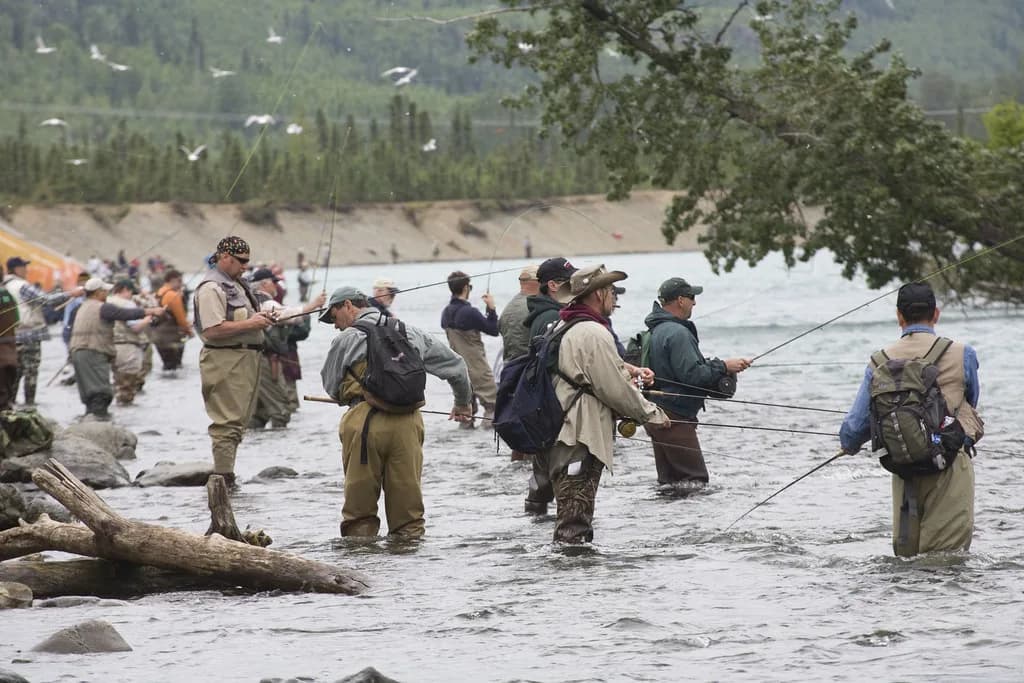
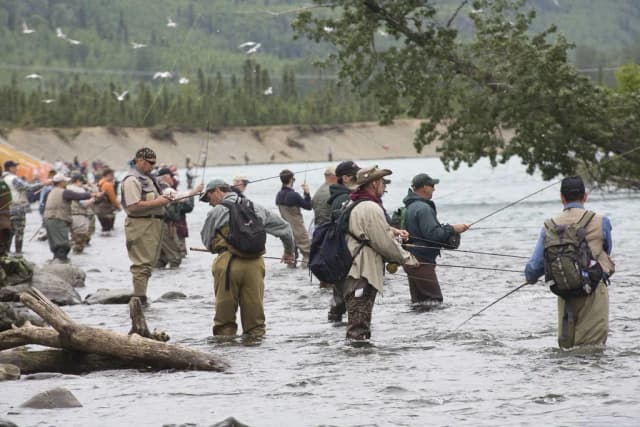
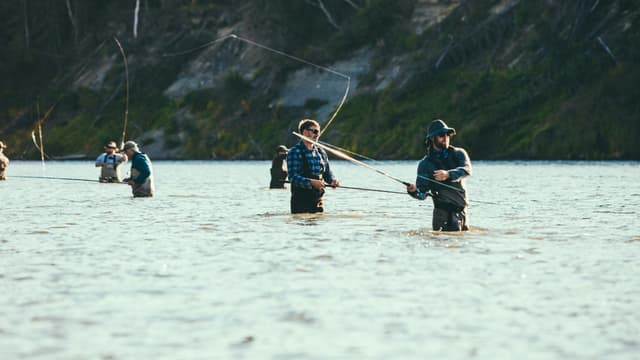
The Kenai is the river the world pictures when it pictures Alaska — an electric, glacier-fed torrent the color of milky turquoise, big and powerful and cold, running off the Kenai Mountains through spruce and cottonwood. Where the clear Russian River pours in is the famous fly corridor, a confluence that draws sockeye salmon by the hundreds of thousands and the giant rainbow trout and Dolly Varden that follow them upriver to feed on eggs and flesh. The glacial flour gives the main Kenai its unearthly color and its poor visibility; the Russian runs clear beside it. The bed is rounded glacial cobble and gravel, the current strong and the water near freezing. Wading is bold, cold, serious business — and the crowds on the bank at the height of the run are a hazard of their own. The fish, when they come, are the size of small dogs.
Wading: Near freezing water, strong current, poor visibility
- Glacial
- Unconfined
- Pool riffle
- Large river