
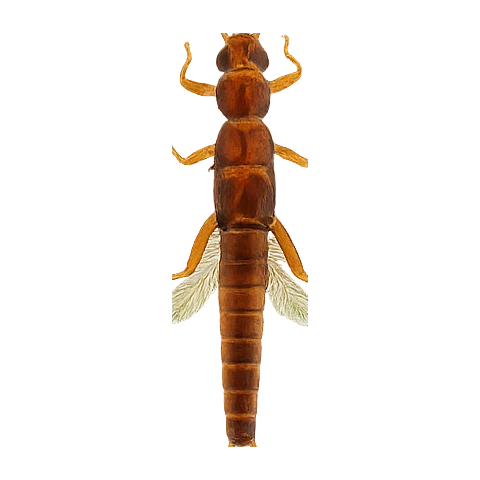
 Stoneflies
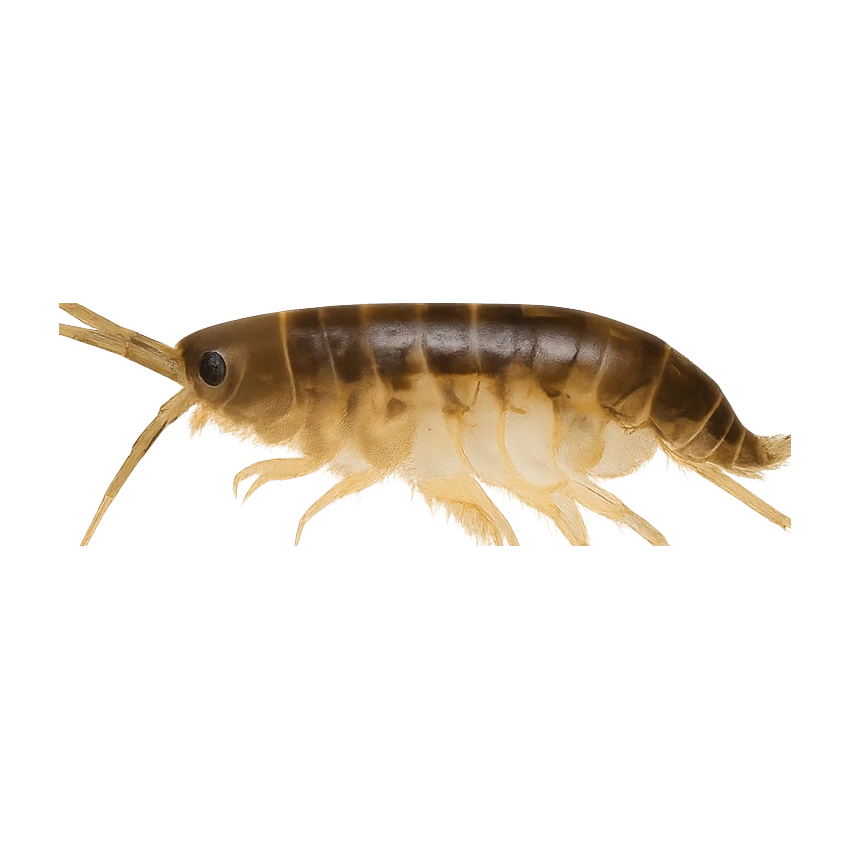
 Gammarids

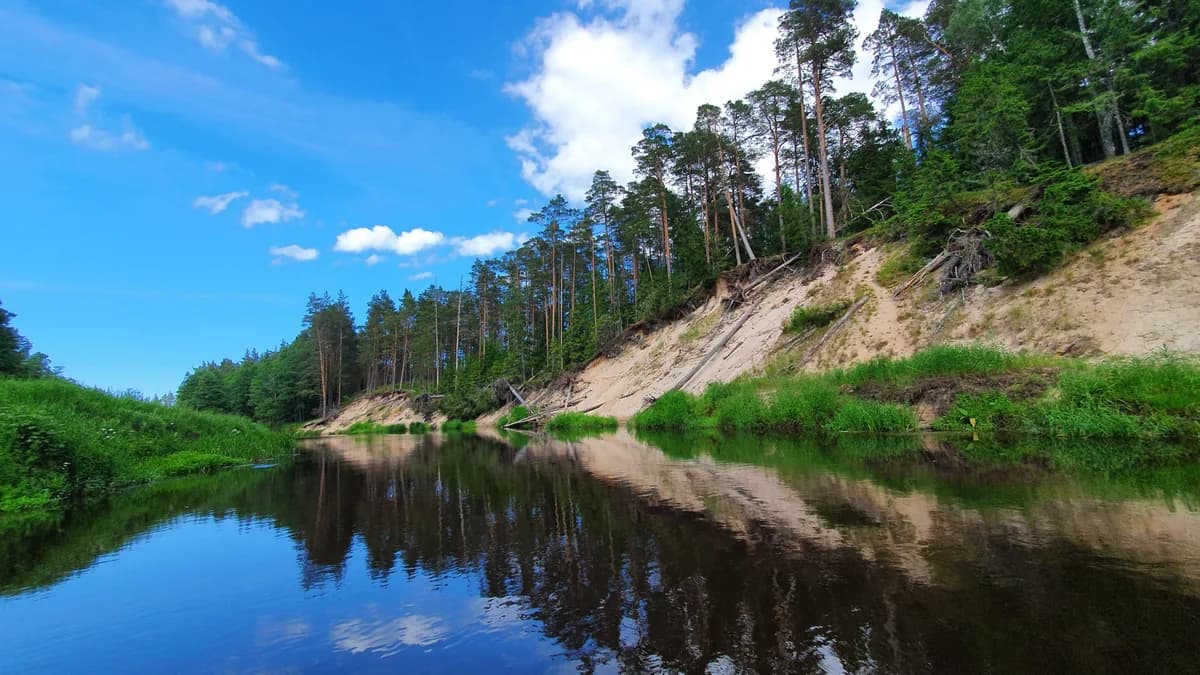
Sandstone freestone bedrock underlies the river, giving a clean, stable streambed well suited to swung flies and a searching approach. Atlantic salmon are also present here, managed under national and EU Baltic conservation rules with quotas, size limits and seasonal restrictions; catch-and-release is widely applied — check current rules before fishing.
The Irbe forms where the Stende and the Rinda rivers meet in the forests of Kurzeme, western Latvia, and runs some thirty-two kilometres to the Baltic on the Irbe Strait, near the windswept cape of Kolka. It is a lowland coastal river of soft, dark, lightly stained water over a sand-and-gravel bed, threading the pine forest and dune country of the Kurzeme coast on a gentle gradient. This is some of the finest sea-trout country in the eastern Baltic: from autumn through spring the sea trout patrol the surf zone and the river mouth, running up the Irbe to spawn, and the river fishes catch-and-release for them through much of the year. Salmon share the run. The character is quiet, sandy, forest-lined water with steady runs and modest pools. Wading is easy on firm sand and gravel, the soft margins asking more care than the footing.
Wading: Soft sandy margins
Summer-autumn runs, seasonal patterns vary by region
- Sandstone
- Unconfined
- Pool riffle