
 Caddisflies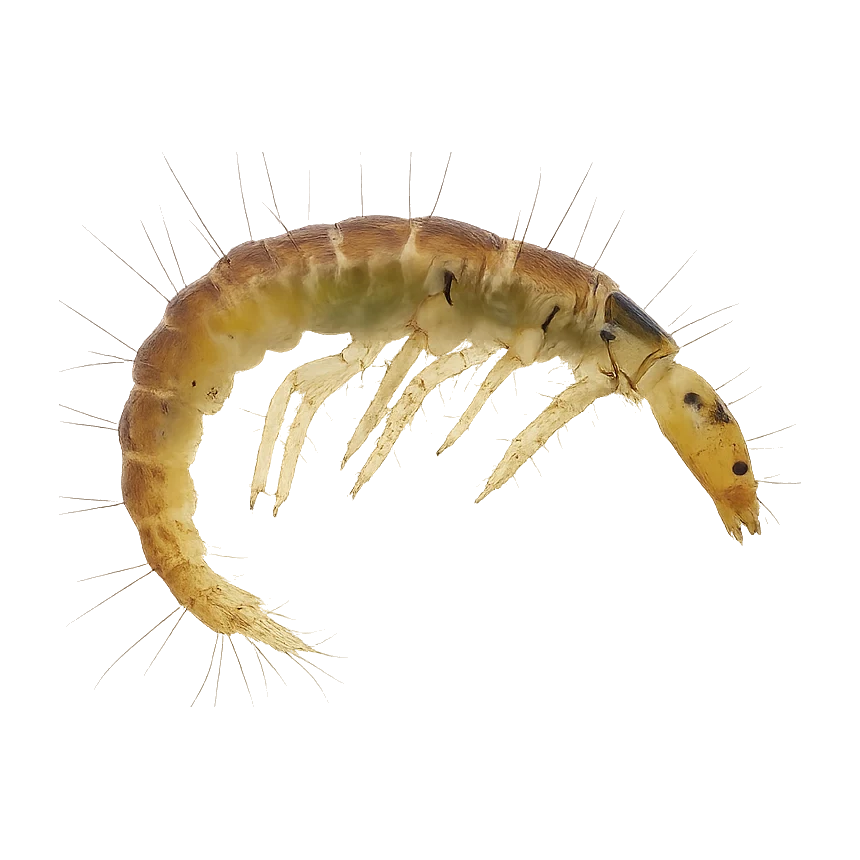

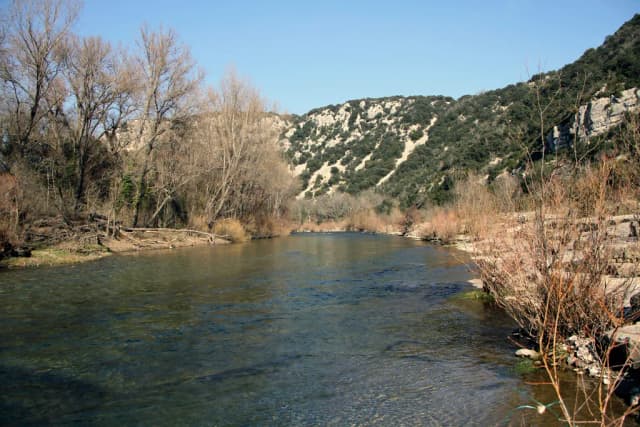
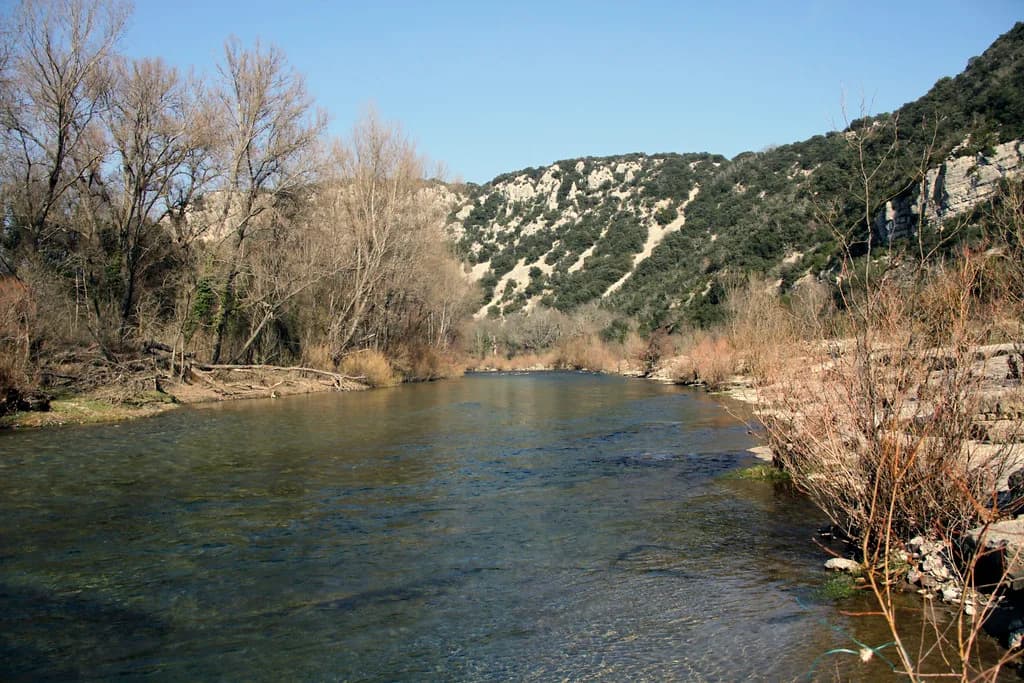
The upper Hérault does the whole Cévennes-to-Languedoc thing in the space of about forty kilometres. It rises on Mont Aigoual, where the weather stations record some of the highest rainfall totals in France, and runs south through Cévennes schist until it hits the limestone plateau and cuts into it — forming the vertical-walled canyon that ends at St-Guilhem-le-Désert, which is one of the most photogenic villages in France and a UNESCO site for reasons that become obvious the moment you see the monastery above the river. The trout water runs from the Aigoual headwaters down to the top of the canyon. It is a genuine Cévennes–limestone hybrid: the upper reaches are dark schist, cold and flashy; the middle becomes clear alkaline limestone where the fish are a bit bigger and considerably more particular. The best window is a narrow one — late April to June, then again after September — because Mediterranean summers are hard on these small rivers. A wading stick is worth the carry: the limestone canyon is unforgiving underfoot. And whatever else you do, climb up to the St-Guilhem monastery at the end of the day. The river looks different from up there.
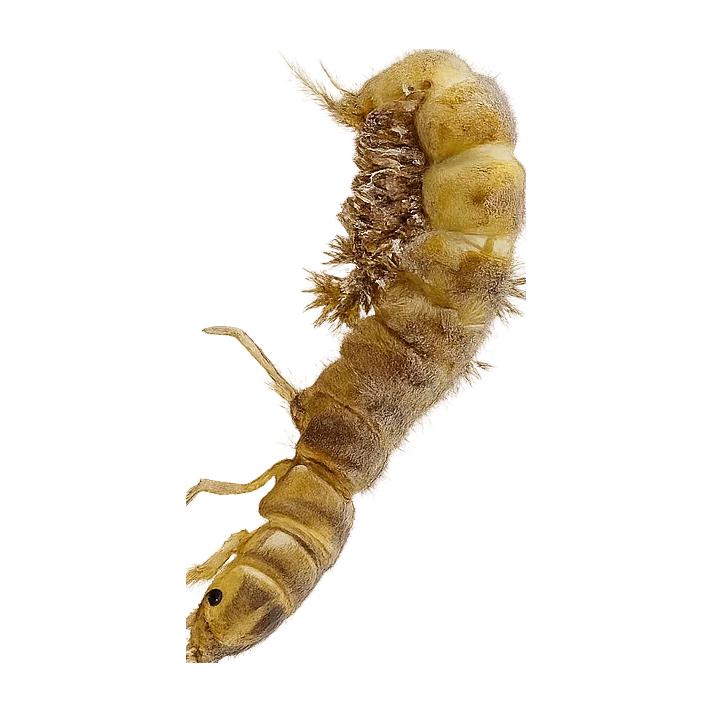
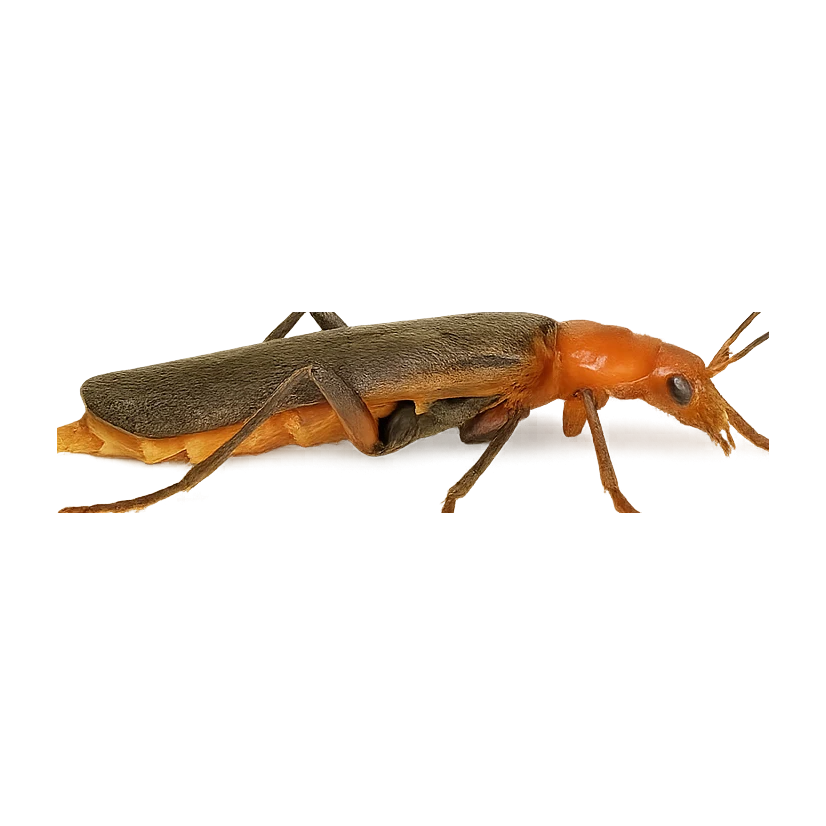
In Cévennes and other Mediterranean-season trout rivers, spring olives and stoneflies dominate while flows are cool and comfortable for fish, followed by a relatively short but intense caddis spell as the rivers warm; terrestrials and small buzzers can offer chances around morning and evening once dangerous heat and skinny water ease off, with a further autumn reset of olives, small caddis and buzzers after the first good cooling rains.
- Mixed