
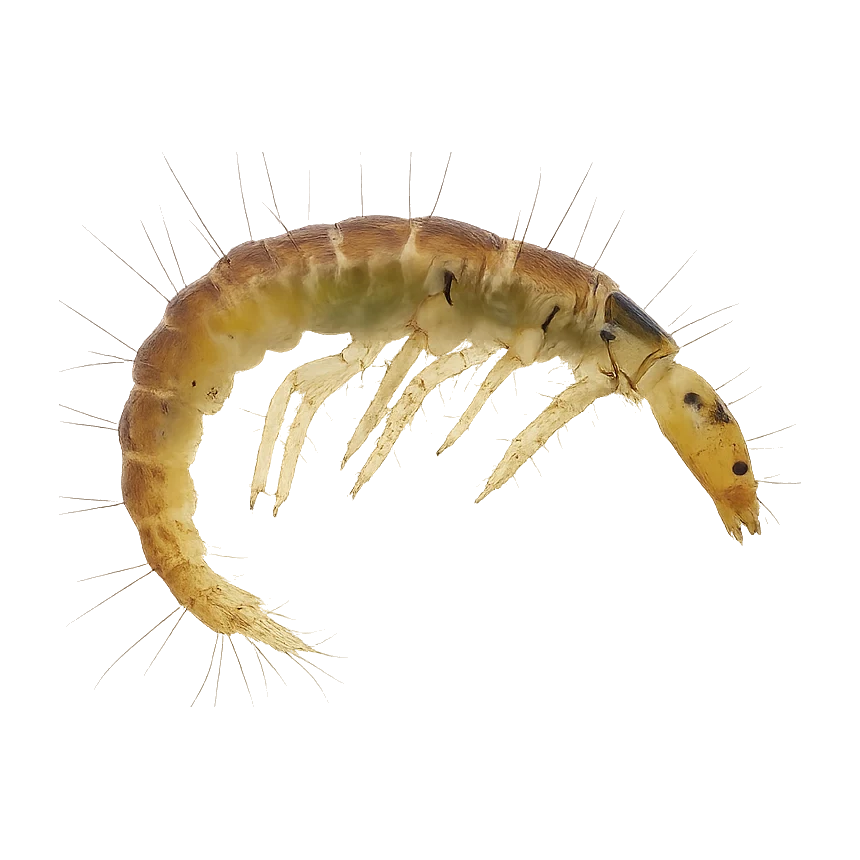
 Stoneflies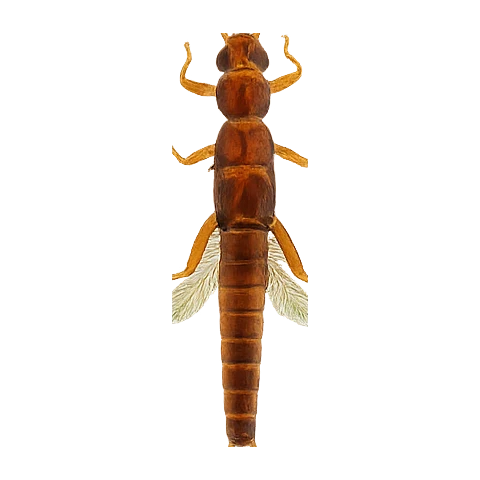
 Caddisflies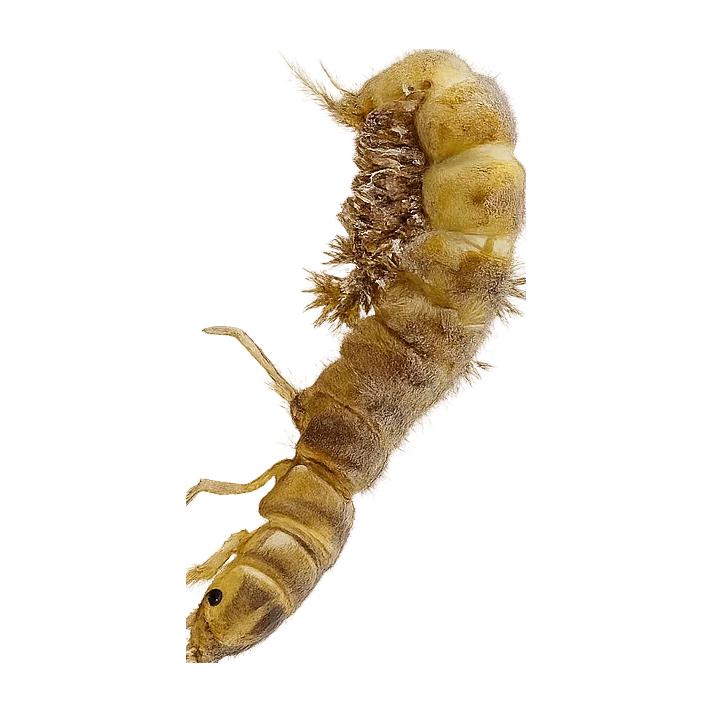
 Gammarids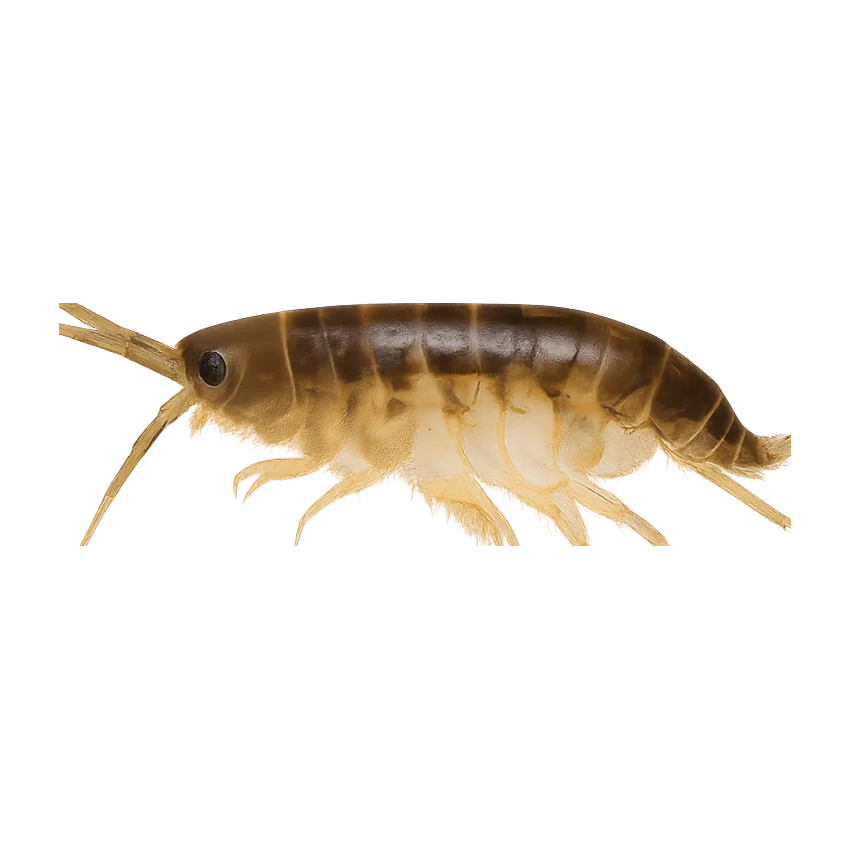

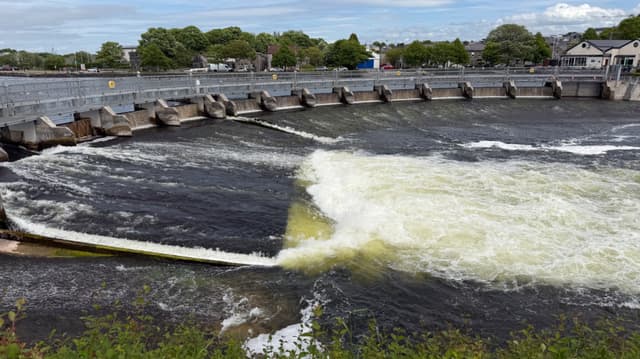
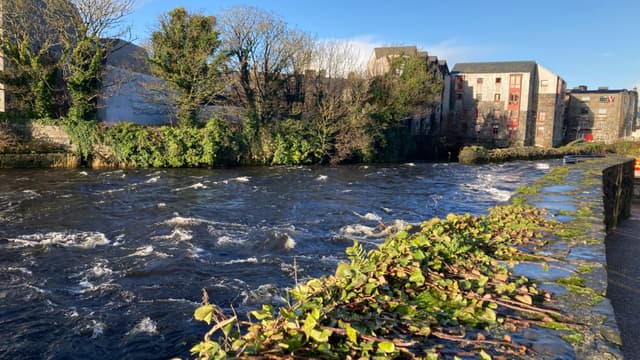
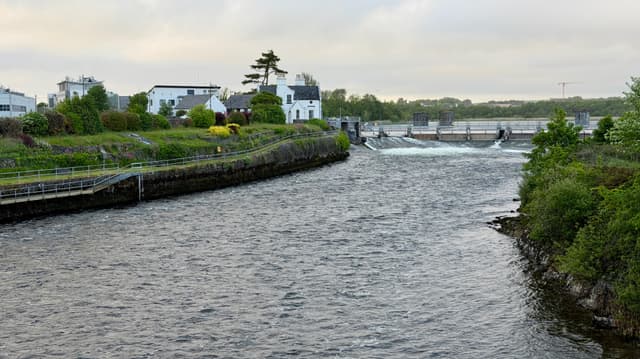
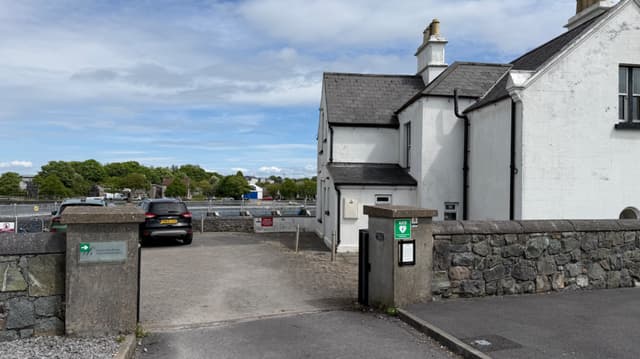
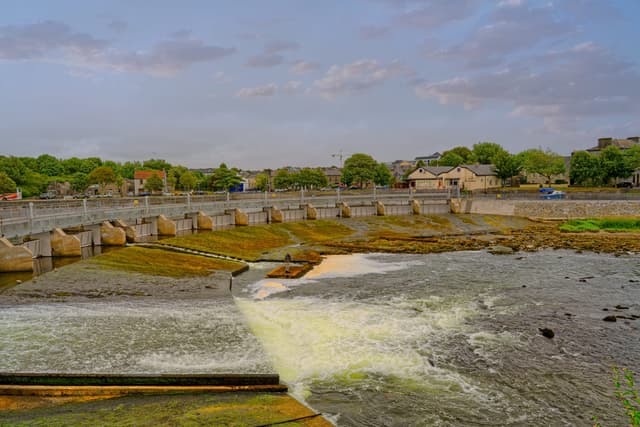
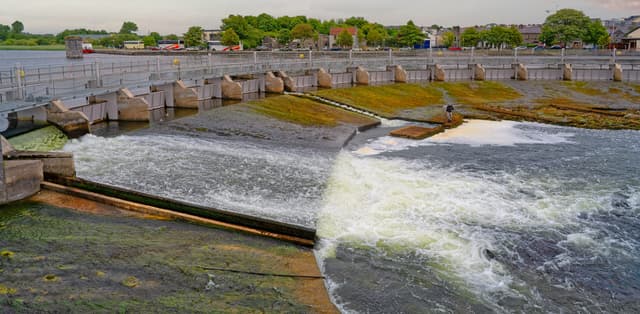
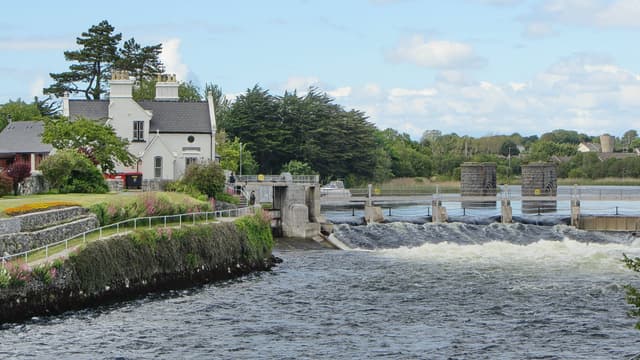
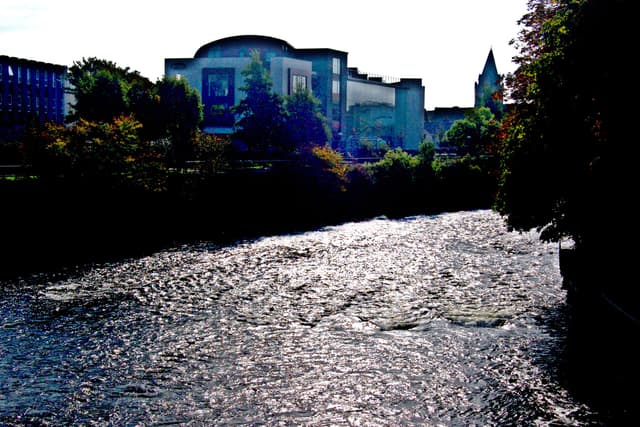
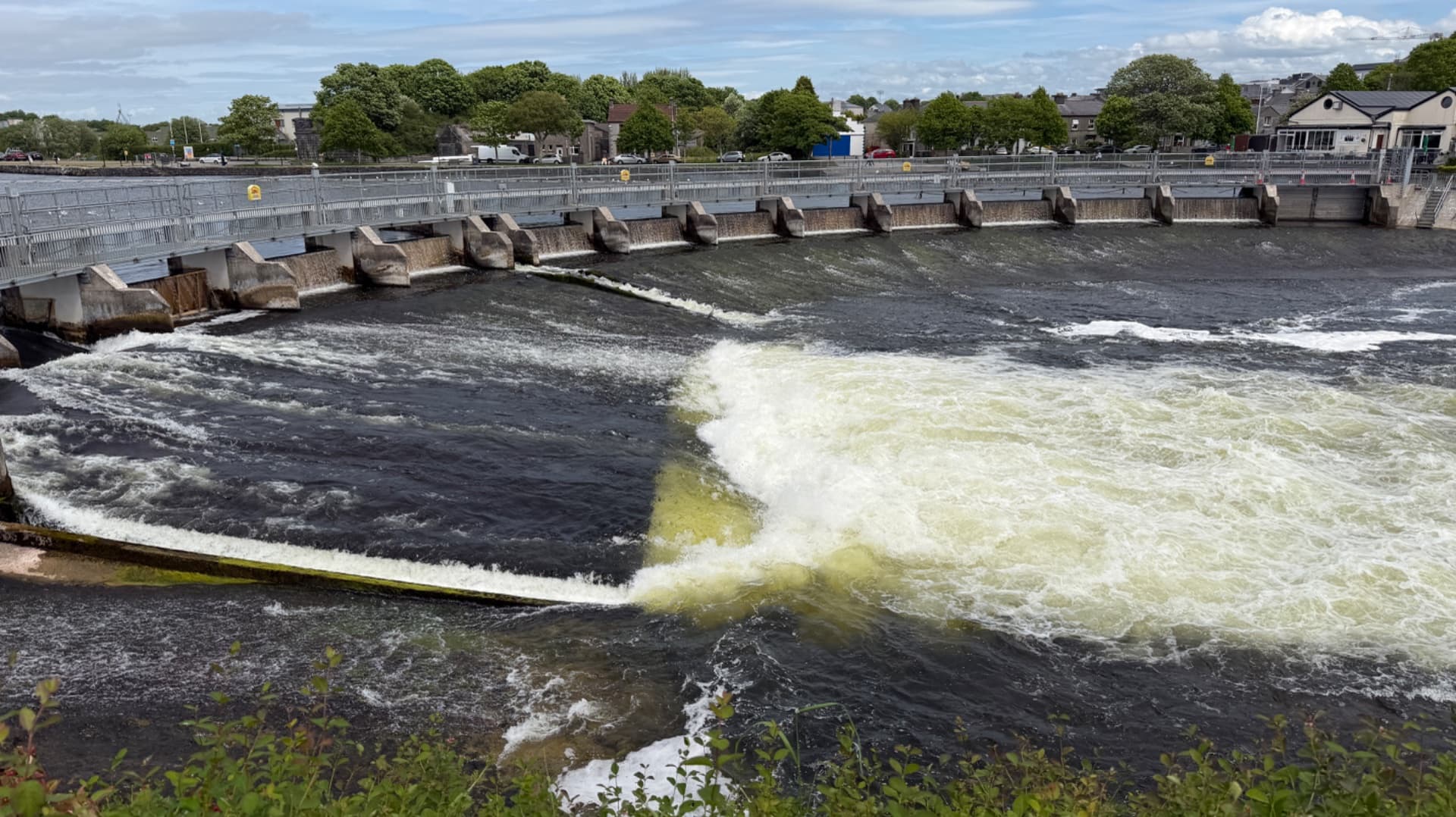
The Galway Fishery is barely six kilometres of limestone water, a short, intensely fished stretch of the Corrib running straight through the heart of Galway city, and for its size it may be the most iconic salmon water in the country — the entire run of the Lough Corrib system funnels through it on the way up, queuing below the weir in a few hundred yards of well-known lies. Under the 2026 Wild Salmon & Sea Trout Tagging Scheme (S.I. 129/2026) the Corrib is open, with a declared harvest surplus of just over eleven hundred salmon: fish may be kept up to 31 August, under tag and within the seasonal bag limit, with catch-and-release from 1 September onward. Sea trout may not be killed anywhere in the Galway district, in any year. The single factor that matters most here is the sluice gates — the river's own engineered version of a spate. Sixteen gates make up the weir, opened and closed by the OPW to manage the level on the lough above, and the gate count is the quickest read of the day's prospects: one gate open is the prime height for wading and fly; two is still good, a stronger flow but perfectly fishable; three or four runs high and marginal for the fly, though an experienced rod with a sink-tip and heavier pattern can still take fish, and the spinning rod often does better; five or more is too much water to work a fly at all, and with every gate shut there is no flow to fish in the first place. Get a count from the fishery, or read it off the weir yourself, before deciding what to tie on. Despite the modest scale of the water, a two-handed rod is the usual tool — a twelve to thirteen-foot Spey rod is standard, since many of the best lies sit on the far bank and want a proper cast to reach; a single-hander covers the nearer water well enough, but a rod confined to overhead casting will miss the most productive lies entirely. The fish are often visible here, which cuts both ways — a careless cast puts them down for the day, so when the gates first open, be ready before you're tempted to admire them. Spring fish run from February, with the best grilse fishing from late May through June and into July. Peak season, 1 June to 20 July, costs €125 a day, dropping to €65 from late July, with evening fly-only sessions at €20–25; the New Beat is cheaper again, and the water between the university and the lough is free of charge. Fish a floating line with small doubles, 10 to 14, in summer, a sink-tip and size 8 to 10 in spring. The river answers slowly — twenty-four hours or more — because the lough buffers the rain before it ever reaches the gates. And the lough itself, of course, is world-class wild brown trout water in its own right, with a legendary mayfly hatch from the middle of May.
EPA river-invertebrate monitoring at Galway Weir on the Corrib confirms mayflies, caddis, chironomids and blackflies, and freshwater crustaceans such as gammarus are present - food-presence evidence from kick samples only, not a record of adult emergence timing or hatch strength.
- River
- Limestone