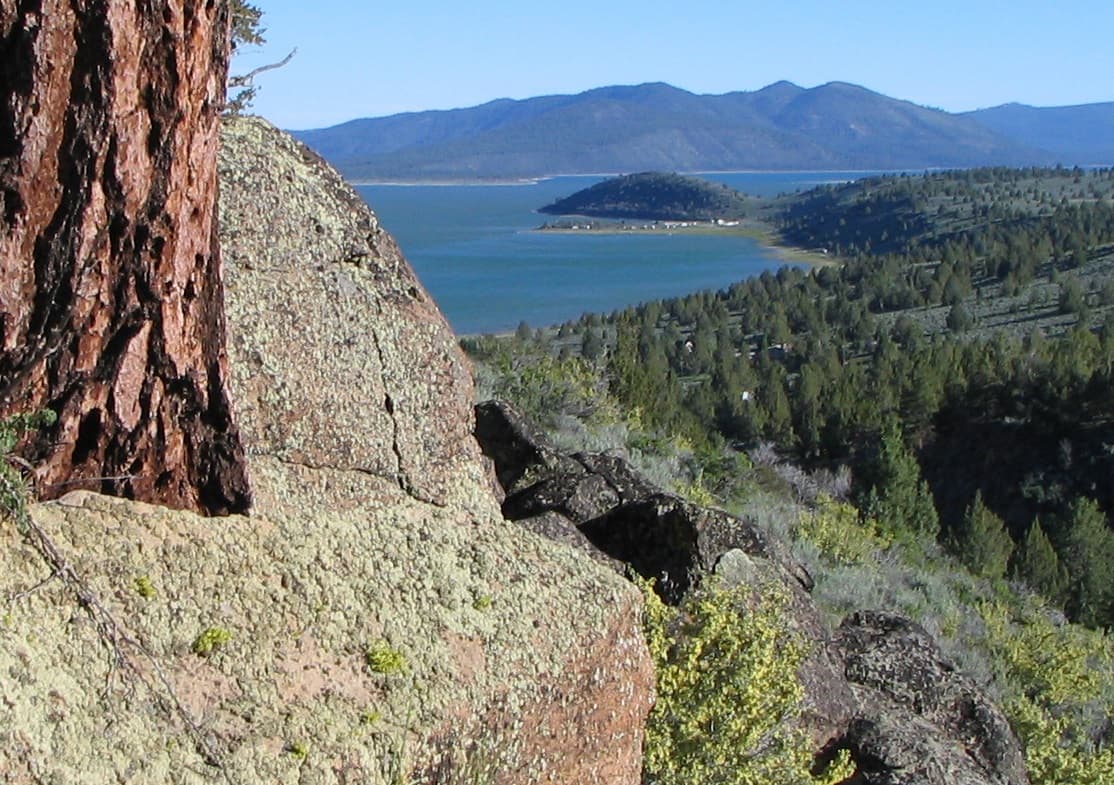

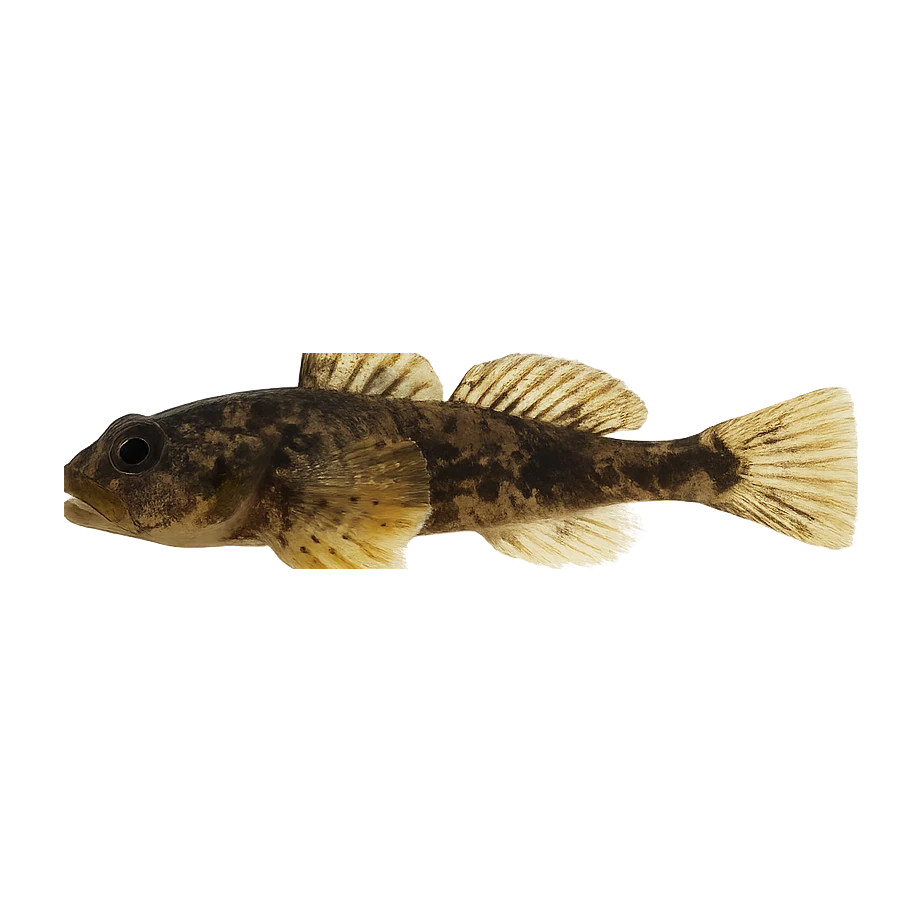
Big alkaline high-desert lake out past Susanville, and the native home of the Eagle Lake rainbow — a tough, broad-shouldered strain that learned to live in water most trout would sulk in. The fish run large and pull hard, and you take them on leeches, Sheep Creek specials and damsels, with Callibaetis dries on the calm mornings. It's a tube or boat game, best worked along the tule edges and drop-offs in the cool shoulders of the season. Big fish, slow water, and patience does the rest.
The air has been hot long enough for the whole surface to be warm. There is no water sensor here, so we cannot tell you the depths are safe — only that they are the most likely place to find a few cool degrees if the water is deep enough. On the big reservoirs and Highland lochs the cool layer sits at four to ten metres, but late-summer oxygen losses can narrow it. On shallow club fisheries under five metres there is no refuge. Fish dawn and dusk only or rest the venue. Barbless hooks. Land it fast. Wet hands. No air shots. If a fish swims off slowly, rolls, or needs more than half a minute to revive, stop. That is the welfare signal — not the temperature.
- DepthDeep waters: a fast sinker to four to ten metres, but watch the colder deeps for poor oxygen late in the season. Shallow fisheries: no refuge. First light, last light, or come back another day.
- TimingTwo hours after dawn and the hour before dark. Nothing else. The real stop signal is the fish on release — if recovery is slow, stop.
A patient day, if you fancy it
Good wave on — drift country. Take your time — read the water before you cast.
Live now
Conditions on the water
Trends shown where the gauge supports them
Some readings unavailable — check directly before fishing.
How to fish · for rainbow trout
The brief
When · where · method · kit
Today's tactical plan
The plan
Plan A · Plan B · what to watch · bank or boat
Set up a broadside drift and cover the water systematically. Work a bushy searching pattern on the bob and drop a contrasting nymph on the point.
If the main plan is not working, switch to a smaller, more imitative pattern fished slower and deeper. A change of drift angle can also make a difference.
Evening tends to be the best period in summer — stay late if you can for a sedge or spinner fall.
A gentle ripple is ideal for drifting — broadside drift covering the wind lanes should be productive.
Hatches & runs
What's on, when
Twelve months at a glance
Numbers are intensity 0 (none) to 3 (peak) — a guide, not a guarantee.
Today's fly · curated pack
Top pattern + the box
5 patterns from this venue's curated pack
Evidence
Why today scores what it does
The factors driving today's verdict
- summer conditions with clear skies and breezy wind.
Eagle Lake, on the water
Field guide · contributor-editedEagle Lake · about
What this water is
Background · character · contributors
Big alkaline high-desert lake out past Susanville, and the native home of the Eagle Lake rainbow — a tough, broad-shouldered strain that learned to live in water most trout would sulk in. The fish run large and pull hard, and you take them on leeches, Sheep Creek specials and damsels, with Callibaetis dries on the calm mornings. It's a tube or boat game, best worked along the tule edges and drop-offs in the cool shoulders of the season. Big fish, slow water, and patience does the rest.
- Lake
- Mixed
Eagle Lake · directions
How to get to the water
Eagle Lake · zones
Where the rules change
Seasons · zones · per-species rules
- TroutSaturday before Memorial Day → 31 December
Eagle Lake · permits
Good to know
- CDFW Eagle Lake regulations — verify season and limits.
Eagle Lake
Big alkaline high-desert lake out past Susanville, and the native home of the Eagle Lake rainbow — a tough, broad-shouldered strain that learned to live in water most trout would sulk in.
The air has been hot long enough for the whole surface to be warm. There is no water sensor here, so we cannot tell you the depths are safe — only that they are the most likely place to find a few cool degrees if the water is deep enough. On the big reservoirs and Highland lochs the cool layer sits at four to ten metres, but late-summer oxygen losses can narrow it. On shallow club fisheries under five metres there is no refuge. Fish dawn and dusk only or rest the venue. Barbless hooks. Land it fast. Wet hands. No air shots. If a fish swims off slowly, rolls, or needs more than half a minute to revive, stop. That is the welfare signal — not the temperature.
- DepthDeep waters: a fast sinker to four to ten metres, but watch the colder deeps for poor oxygen late in the season. Shallow fisheries: no refuge. First light, last light, or come back another day.
- TimingTwo hours after dawn and the hour before dark. Nothing else. The real stop signal is the fish on release — if recovery is slow, stop.
A patient day, if you fancy it
Good wave on — drift country. Take your time — read the water before you cast.
Some readings unavailable — check directly before fishing.
A reasonable day here, though temperature isn't quite in the sweet spot.
Set up a broadside drift and cover the water systematically. Work a bushy searching pattern on the bob and drop a contrasting nymph on the point.
If the main plan is not working, switch to a smaller, more imitative pattern fished slower and deeper. A change of drift angle can also make a difference.
Evening tends to be the best period in summer — stay late if you can for a sedge or spinner fall.
A gentle ripple is ideal for drifting — broadside drift covering the wind lanes should be productive.
- summer conditions with clear skies and breezy wind.
Numbers are intensity 0 (none) to 3 (peak) — a guide, not a guarantee.
- CDFW Eagle Lake regulations — verify season and limits.
Big alkaline high-desert lake out past Susanville, and the native home of the Eagle Lake rainbow — a tough, broad-shouldered strain that learned to live in water most trout would sulk in. The fish run large and pull hard, and you take them on leeches, Sheep Creek specials and damsels, with Callibaetis dries on the calm mornings. It's a tube or boat game, best worked along the tule edges and drop-offs in the cool shoulders of the season. Big fish, slow water, and patience does the rest.
- Lake
- Mixed
- TroutSaturday before Memorial Day → 31 December
Big alkaline high-desert lake out past Susanville, and the native home of the Eagle Lake rainbow — a tough, broad-shouldered strain that learned to live in water most trout would sulk in. The fish run large and pull hard, and you take them on leeches, Sheep Creek specials and damsels, with Callibaetis dries on the calm mornings. It's a tube or boat game, best worked along the tule edges and drop-offs in the cool shoulders of the season. Big fish, slow water, and patience does the rest.