Coyolles is a commercial fly-only reservoir in the Aisne, about an hour and a half from Paris, and it has been running for long enough that everyone who fishes fly in the Île-de-France either knows it or has at least heard of it. The management caps the daily ticket count at fifteen anglers, which in practice means you get a fishable amount of water to yourself and the stocking is not hammered into oblivion by the time you arrive. The fish are rainbows in the main, with some brown trout through the cooler months, and the water is clean limestone runoff — clear enough to see what you are doing and rich enough to grow fish that actually look like fish. The sort of venue that Paris-based anglers use for their one-day-a-fortnight casting fix and that rewards the careful angler with better sport than the put-and-take label would suggest.
Reasonable late spring fishing likely at Domaine de Coyolles
Useful ripple, fishable wave. Worth a session if the wind holds.
Current conditions suit Domaine de Coyolles well for late spring tactics. The ripple should help fish move and feed more confidently.
Conditions on the water
Some readings unavailable — check directly before fishing.
The brief
The plan
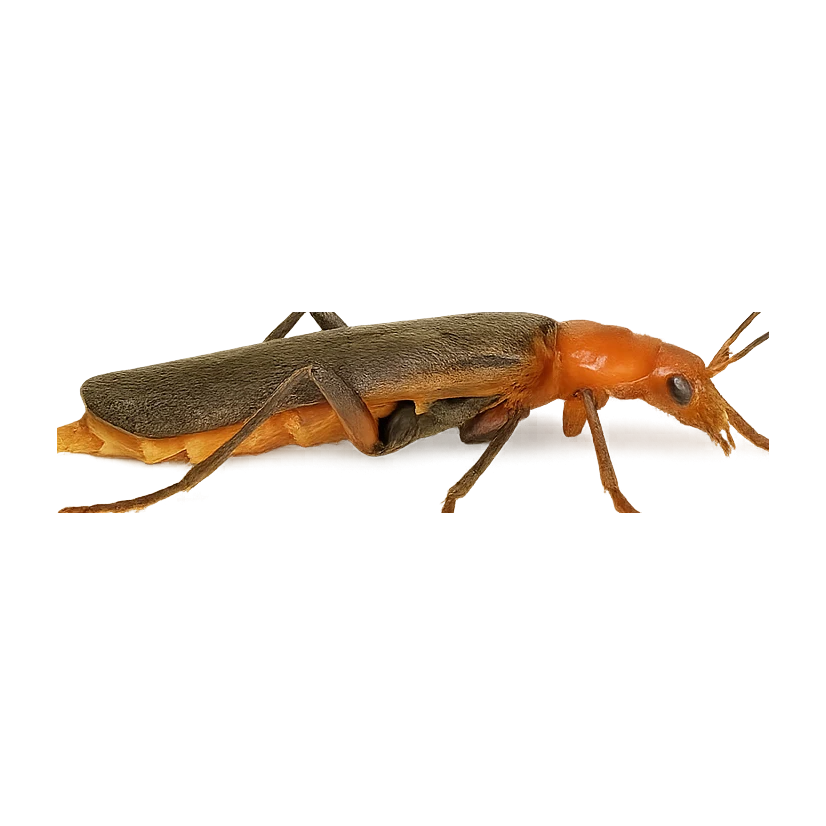
Start with Buzzer (14-16) on a slow figure-of-eight or hang under indicator. If that does not produce, switch depth or speed before changing the pattern entirely. When no hatch is visible, a buzzer team — black stripped quill on the point, attractor or pearl-rib on the top dropper — is the default starting point on any UK stillwater.
If fish refuse on top, drop to a buzzer under an indicator at different depths.
Keep an eye on changing conditions — wind shifts and cloud breaks can trigger short feeding spells.
Bank fishing near inflows, dam walls, and weed beds. Move to find feeding fish.
What's on, when
Numbers are intensity 0 (none) to 3 (peak) — a guide, not a guarantee.
Top pattern + the box
Why today scores what it does
- Wind conditions (ripple) closely match what this water fishes best in.
- Temperature (cool) is in the sweet spot for late spring fishing.
Precipitation
Who this water suits
Domaine de Coyolles, on the water
Field guide · contributor-editedWhat this water is
Coyolles is a commercial fly-only reservoir in the Aisne, about an hour and a half from Paris, and it has been running for long enough that everyone who fishes fly in the Île-de-France either knows it or has at least heard of it. The management caps the daily ticket count at fifteen anglers, which in practice means you get a fishable amount of water to yourself and the stocking is not hammered into oblivion by the time you arrive. The fish are rainbows in the main, with some brown trout through the cooler months, and the water is clean limestone runoff — clear enough to see what you are doing and rich enough to grow fish that actually look like fish. The sort of venue that Paris-based anglers use for their one-day-a-fortnight casting fix and that rewards the careful angler with better sport than the put-and-take label would suggest.
- Fishery
- Limestone
How to get to the water
Where the rules change
- TroutYear-round → Year-round
Licences, sorteo, the rules
- Commercial fly-only fishery
- Day tickets required — 15-angler daily cap
- Check opening hours and stocking schedule via domainedecoyolles.com before travelling.
Domaine de Coyolles
Coyolles is a commercial fly-only reservoir in the Aisne, about an hour and a half from Paris, and it has been running for long enough that everyone who fishes fly in the Île-de-France either knows it or has at least heard of it.
Reasonable late spring fishing likely at Domaine de Coyolles
Useful ripple, fishable wave. Worth a session if the wind holds.
Current conditions suit Domaine de Coyolles well for late spring tactics. The ripple should help fish move and feed more confidently.
Some readings unavailable — check directly before fishing.
Conditions are ideal for Domaine de Coyolles — wind, cloud and temperature all line up.
Start with Buzzer (14-16) on a slow figure-of-eight or hang under indicator. If that does not produce, switch depth or speed before changing the pattern entirely. When no hatch is visible, a buzzer team — black stripped quill on the point, attractor or pearl-rib on the top dropper — is the default starting point on any UK stillwater.
If fish refuse on top, drop to a buzzer under an indicator at different depths.
Keep an eye on changing conditions — wind shifts and cloud breaks can trigger short feeding spells.
Bank fishing near inflows, dam walls, and weed beds. Move to find feeding fish.
- Wind conditions (ripple) closely match what this water fishes best in.
- Temperature (cool) is in the sweet spot for late spring fishing.
Numbers are intensity 0 (none) to 3 (peak) — a guide, not a guarantee.
Terrain map
- Commercial fly-only fishery
- Day tickets required — 15-angler daily cap
- Check opening hours and stocking schedule via domainedecoyolles.com before travelling.
Coyolles is a commercial fly-only reservoir in the Aisne, about an hour and a half from Paris, and it has been running for long enough that everyone who fishes fly in the Île-de-France either knows it or has at least heard of it. The management caps the daily ticket count at fifteen anglers, which in practice means you get a fishable amount of water to yourself and the stocking is not hammered into oblivion by the time you arrive. The fish are rainbows in the main, with some brown trout through the cooler months, and the water is clean limestone runoff — clear enough to see what you are doing and rich enough to grow fish that actually look like fish. The sort of venue that Paris-based anglers use for their one-day-a-fortnight casting fix and that rewards the careful angler with better sport than the put-and-take label would suggest.
- Fishery
- Limestone
- TroutYear-round → Year-round
Coyolles is a commercial fly-only reservoir in the Aisne, about an hour and a half from Paris, and it has been running for long enough that everyone who fishes fly in the Île-de-France either knows it or has at least heard of it. The management caps the daily ticket count at fifteen anglers, which in practice means you get a fishable amount of water to yourself and the stocking is not hammered into oblivion by the time you arrive. The fish are rainbows in the main, with some brown trout through the cooler months, and the water is clean limestone runoff — clear enough to see what you are doing and rich enough to grow fish that actually look like fish. The sort of venue that Paris-based anglers use for their one-day-a-fortnight casting fix and that rewards the careful angler with better sport than the put-and-take label would suggest.