
 Stoneflies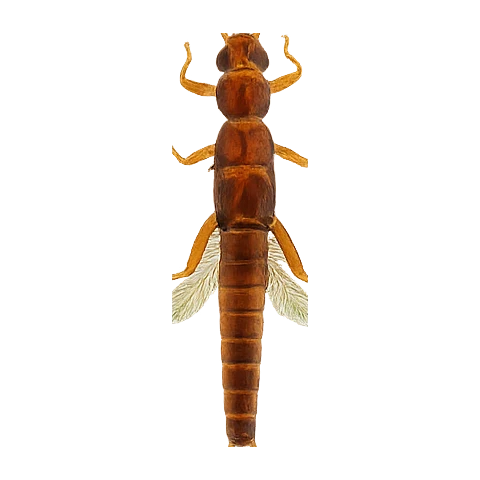
 Caddisflies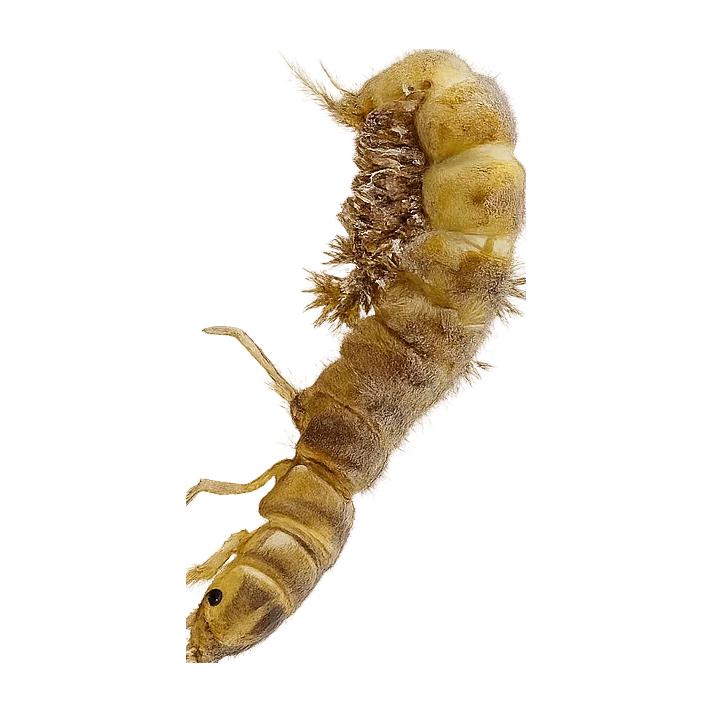


A Dartmoor river of real character — the East and West Dart meet at Dartmeet in classic moorland scenery. Granite-bedded with wild brown trout in the upper reaches and salmon and sea trout lower down. Fast, rocky water that rewards nymph and wet fly. Atlantic salmon are assessed by the Environment Agency against each river's Conservation Limit — many principal rivers are classed 'at risk' with mandatory catch-and-release byelaws; check current rules before fishing.
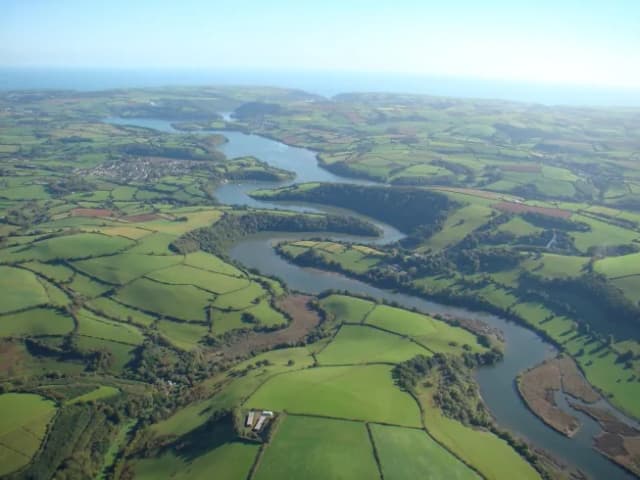
The Dart is born twice on the high granite of Dartmoor — the East Dart off Hangingstone Hill, the West Dart below Cut Hill and Fur Tor — the two moorland streams meeting at Dartmeet to run some seventy-five kilometres south to the sea at Dartmouth. The upper river is true spate water: peat-stained, tumbling over granite ledges and through a string of cascades and pocket pools, rising hard and falling fast after rain off the moor. Below the moorland edge it gathers into a wooded, boulder-strewn freestone river through the steep Dart valley, with deeper holding pools for running salmon and the sea trout — peal — for which the Devon rivers are known. The granite gives clean, acidic, quick-clearing water. Wading is boulder work, slick and uneven under oak shade; the upper falls demand a careful foot in spate.
Wading: Slick granite boulders under wooded banks
Summer-autumn runs (June–September), nocturnal peak season pattern
- Granite
- Partly confined
- Step pool
- Pool riffle