
 Mayflies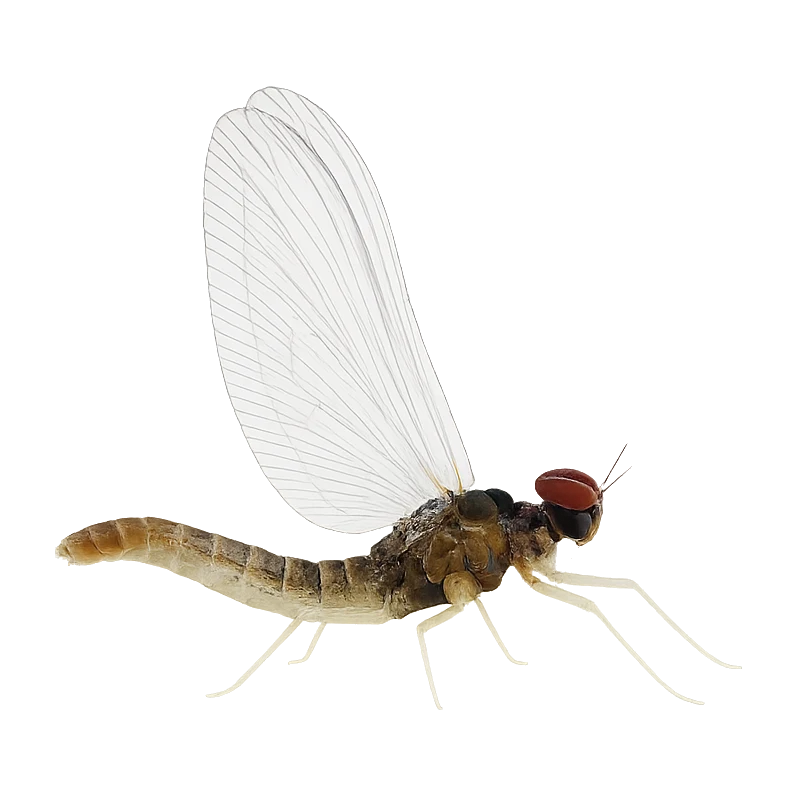
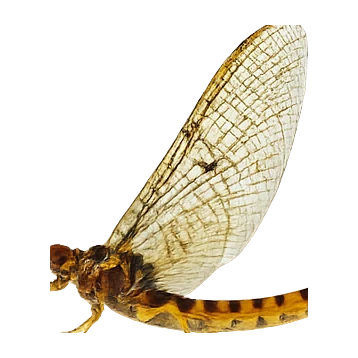
 Chironomids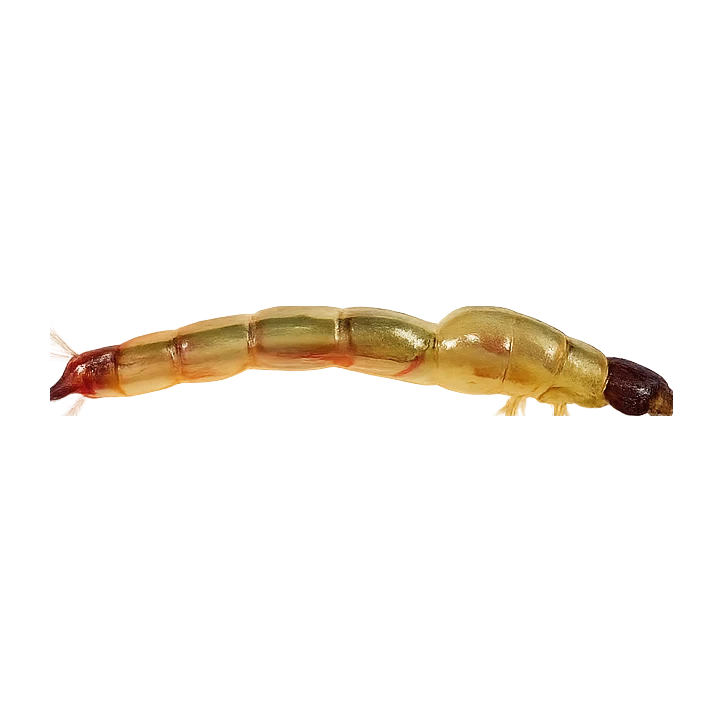
 Damselflies & dragonflies
 Gammarids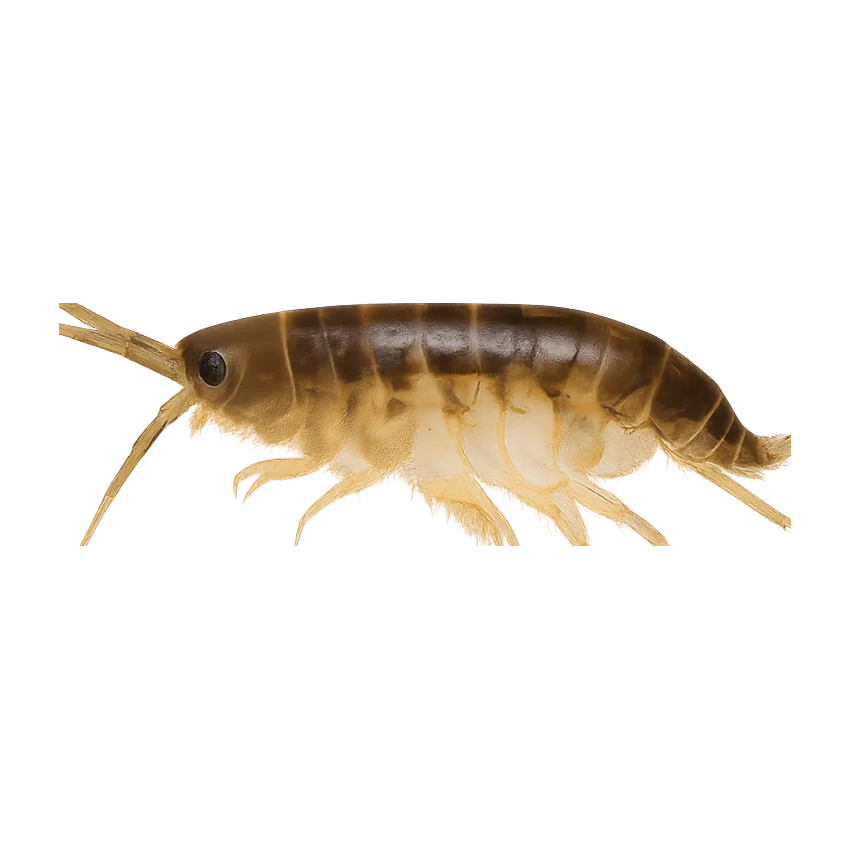

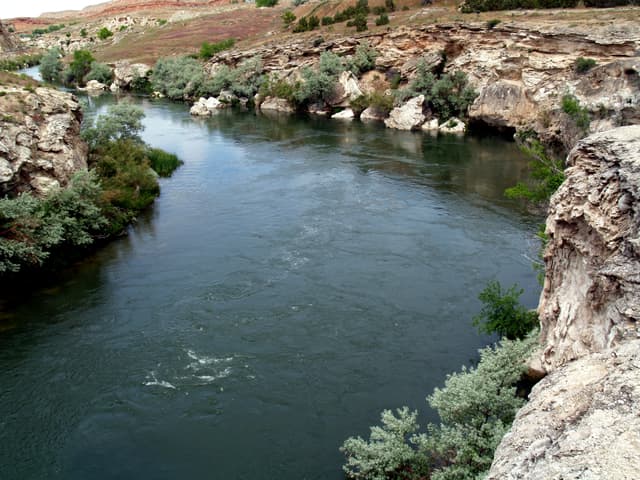
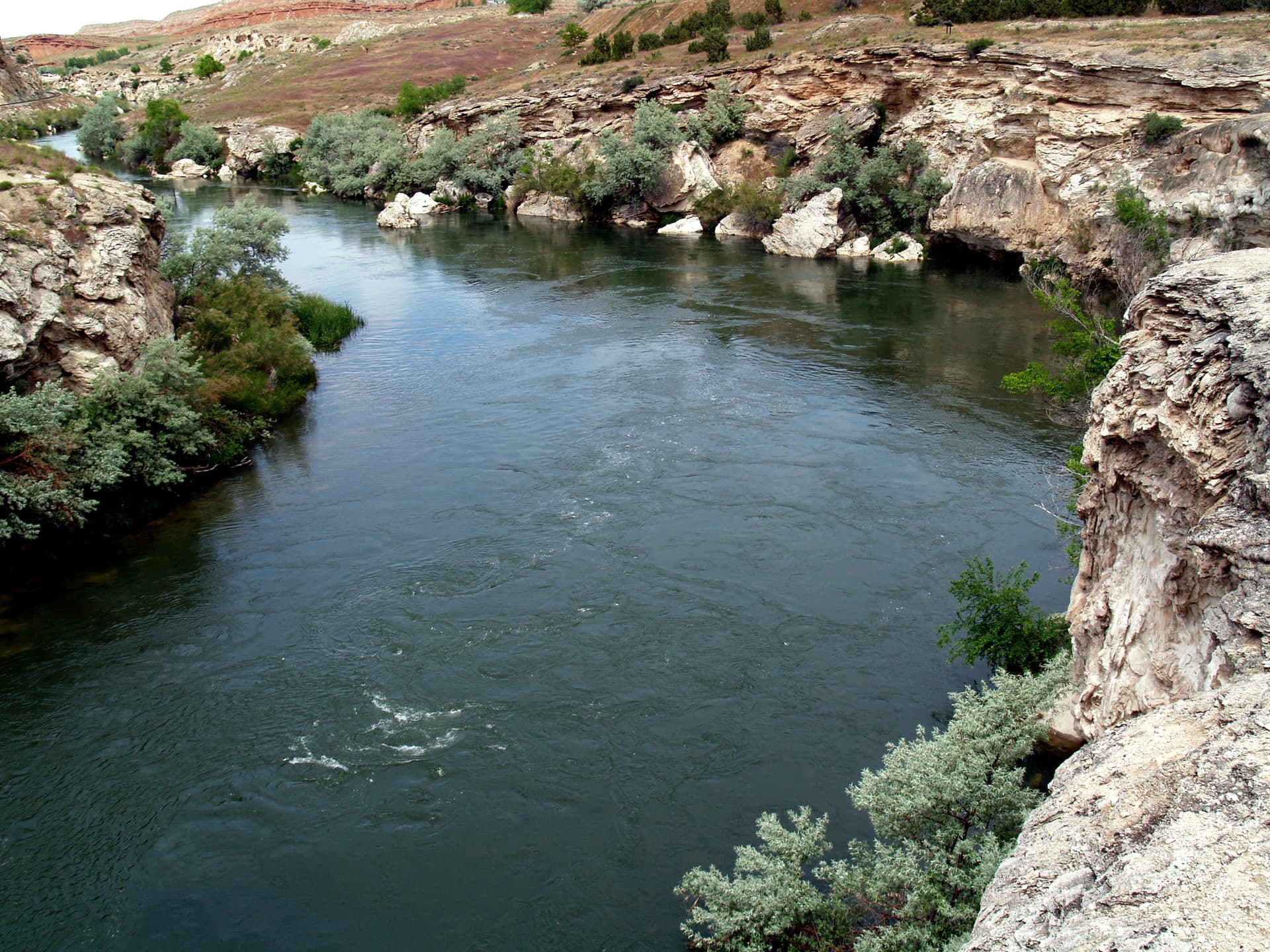
The Bighorn below Yellowtail Dam is one of the great tailwaters anywhere — cold, fertile, stable water year-round, packed with big browns and rainbows that eat all day if you do your part. The menu is sowbugs, scuds, and midges, with serious Baetis and PMD hatches when the season turns. Here you watch the dam release, not the sky; the weather barely gets a vote.
The Bighorn that anglers mean begins at the Yellowtail Afterbay Dam near Fort Smith, where cold, clear, nutrient-rich water is let out from the depths of a reservoir backed up through seventy-odd miles of limestone canyon. That limestone is the secret: it loads the water with the minerals that grow insects by the acre, and the first thirteen miles below the dam, running through the Crow Reservation toward Hardin, are about as rich a trout factory as exists in Montana. The river here is a big, even, gravel-bottomed tailwater — long riffles, glassy flats and deep outside bends winding across an open valley of cottonwood and sage. The flow is steady because a dam decides it, not the weather. Wading is comfortable on firm gravel, though the Bighorn is bigger and pushier than it first appears.
Wading: Deeper, pushier water than it appears
- Limestone
- Unconfined
- Pool riffle