
 Mayflies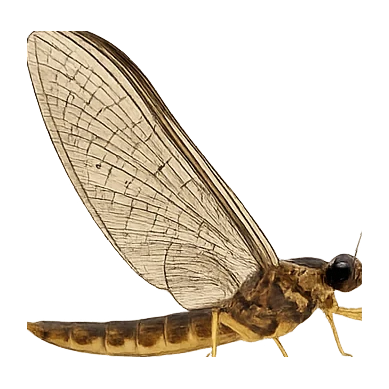
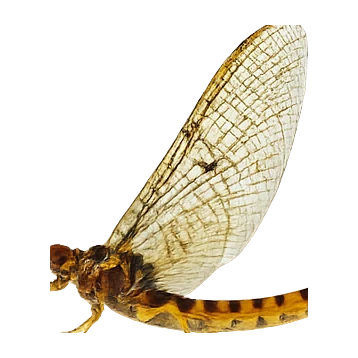
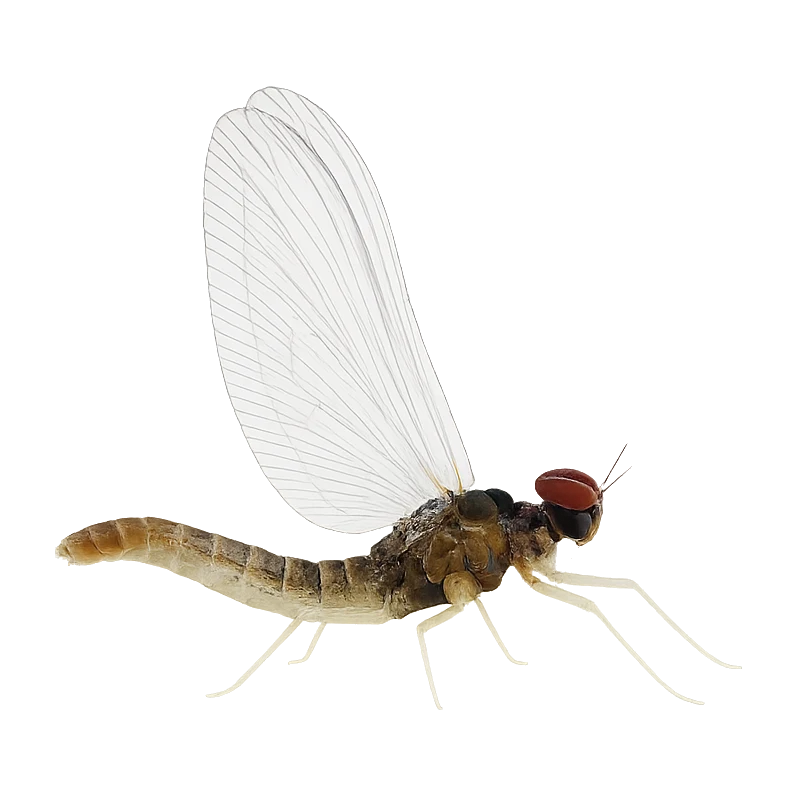
 Chironomids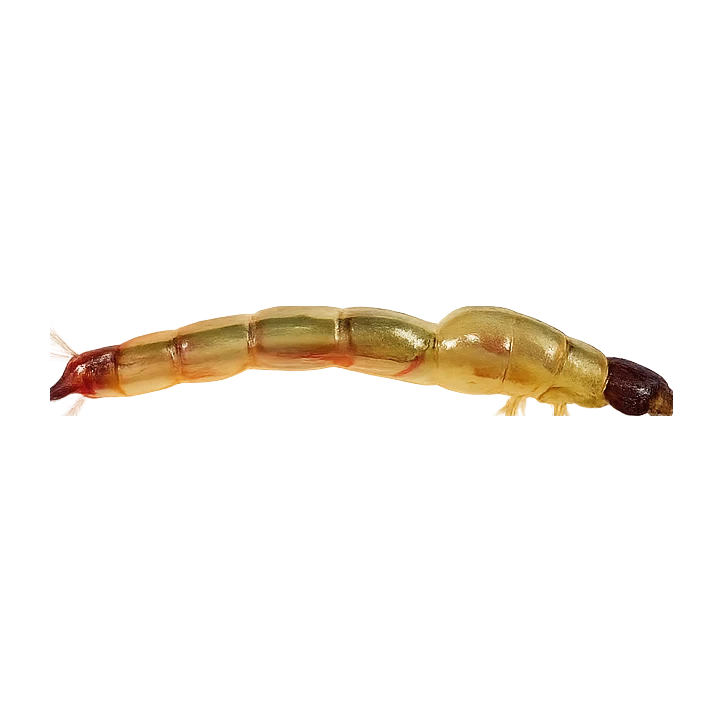
 Gammarids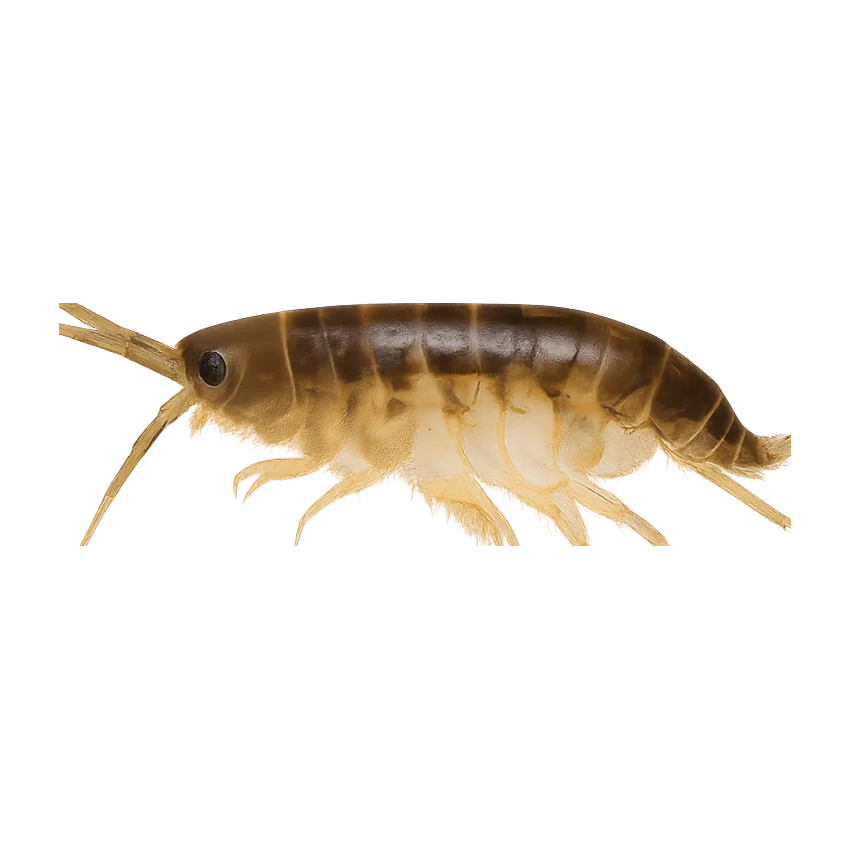
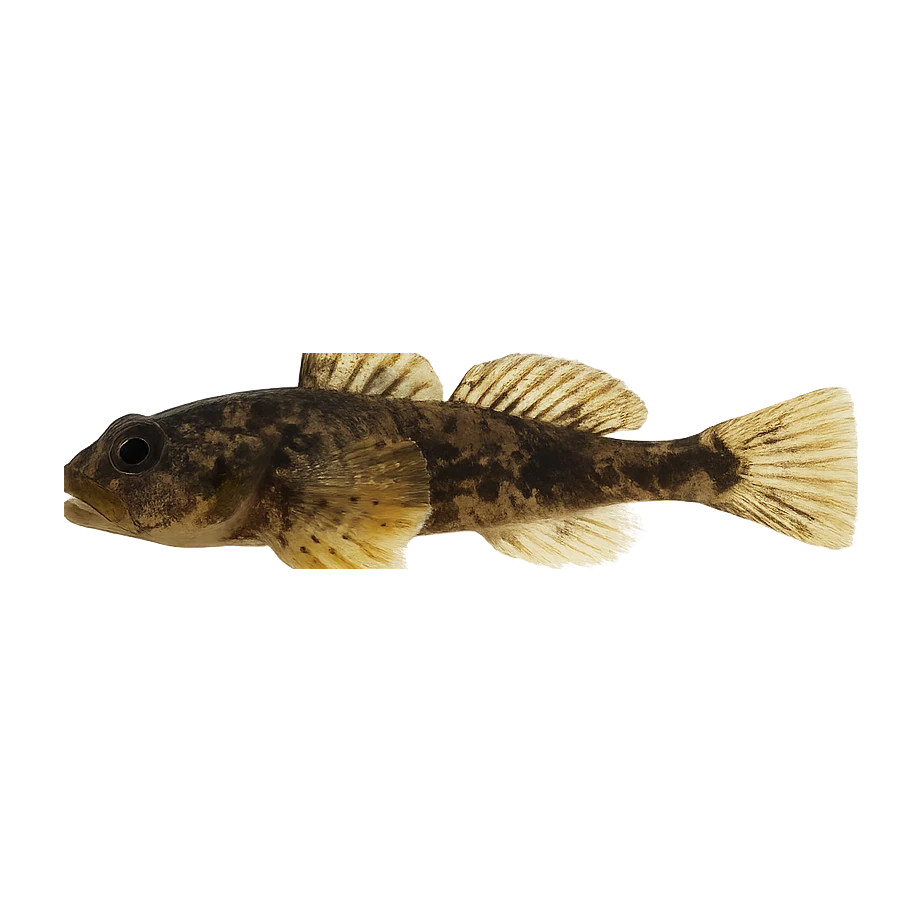
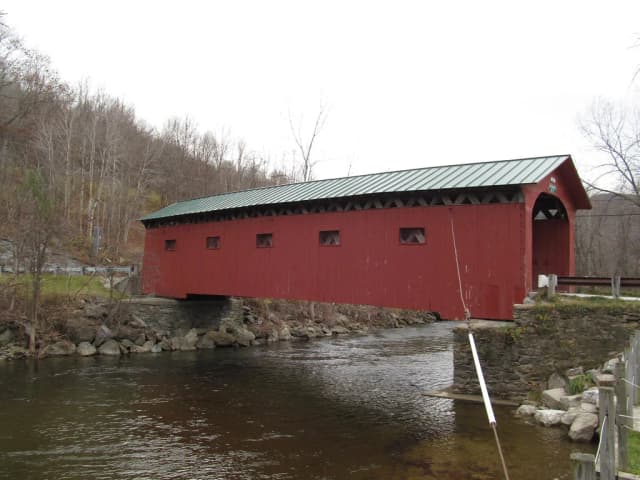
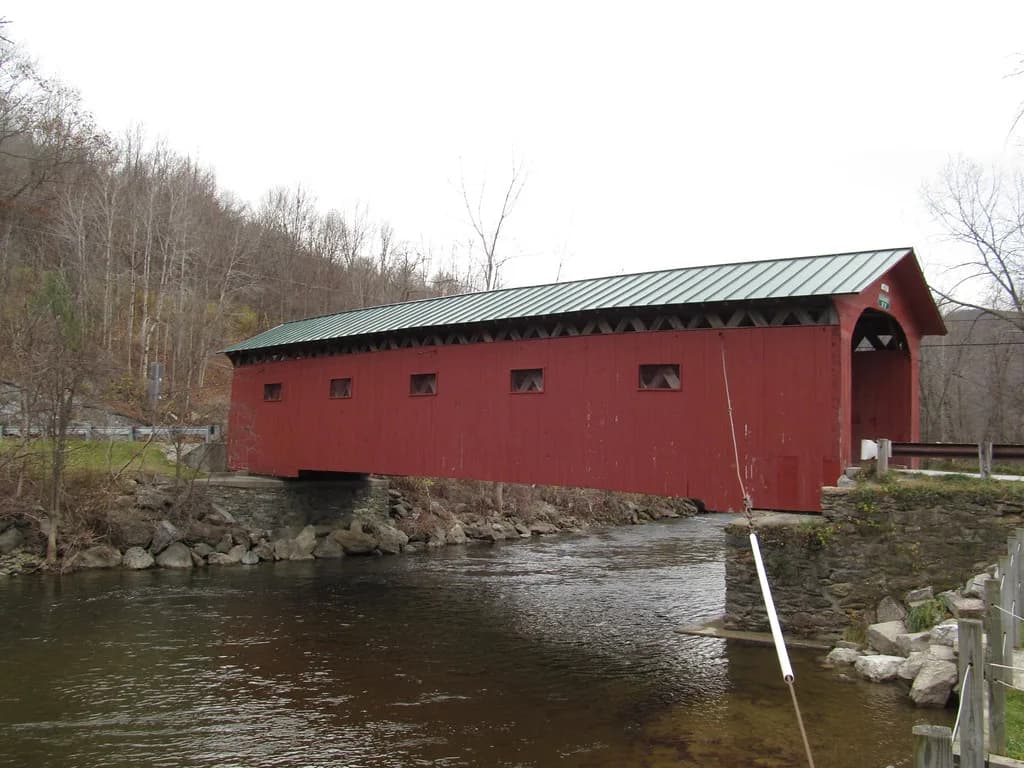
The Battenkill is the famous one — the low-gradient, glass-clear wild brown trout river running out of Vermont into New York that has humbled more good anglers than it has flattered. It is not a stocked-rainbow convenience water; it's a technical, lightly populated wild-trout river where the browns are wary, the water is slow and clear, and a clumsy approach ends your day before it starts. The reward is the fishing itself: matching delicate hatches with fine tippet, reading subtle rises along the undercut banks, earning every fish. It crosses a state line and the rules cross with it — Vermont runs catch-and-release on its reaches from the second Saturday in April through October, New York has its own special-regulation categories on the Shushan-to-line water. Know which side and which reach you're on, fish stealthily, and treat it as the difficult classic it is.
The Battenkill is New England's most storied trout river and its most famously difficult — a clear, cold freestone running out of Vermont into New York through covered-bridge-and-white-church country, holding entirely wild, entirely uncooperative brown and brook trout that have broken the spirit of many an angler raised on stocked water. It's a medium freestone over rounded cobble and gravel, sliding through hardwood forest and meadow with a gentle gradient and long, slick, deceptively empty-looking pools. The fish are there — wild, wary, thinly spread — and they do not suffer fools or clumsy tippet. The bed is freestone cobble, the water tea-clear, the banks lined with sweepers and undercuts where the good browns hide. Wading is comfortable on firm footing. The Battenkill is a long, patient education in fishing for wild trout that owe you nothing, and it remains, for all its difficulty, one of the loveliest rivers in the East.
Wading: Deceptively empty slick pools
- Mixed
- Unconfined
- Pool riffle