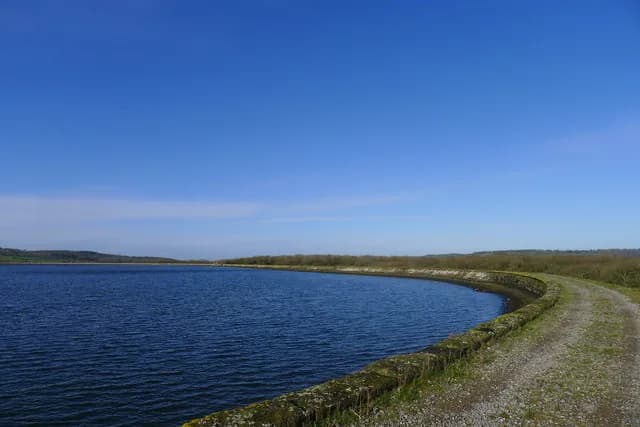

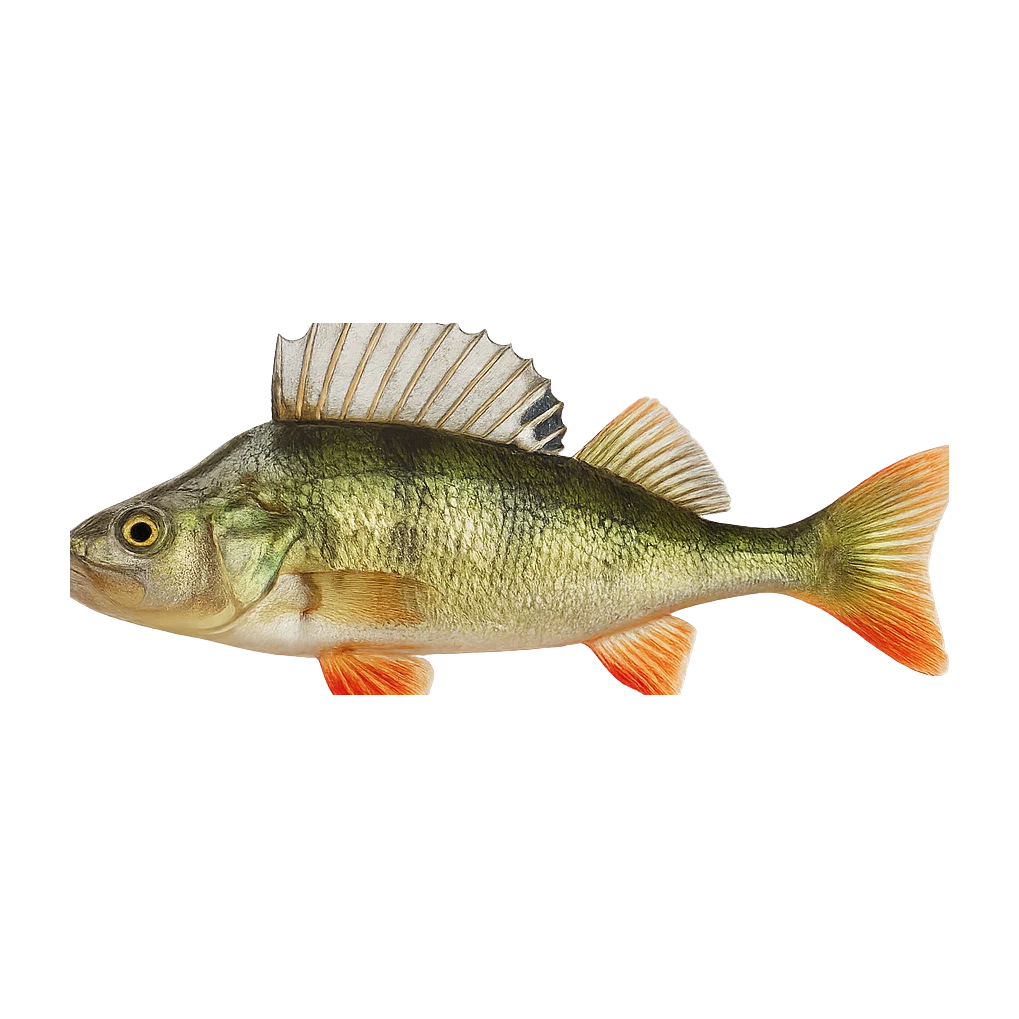
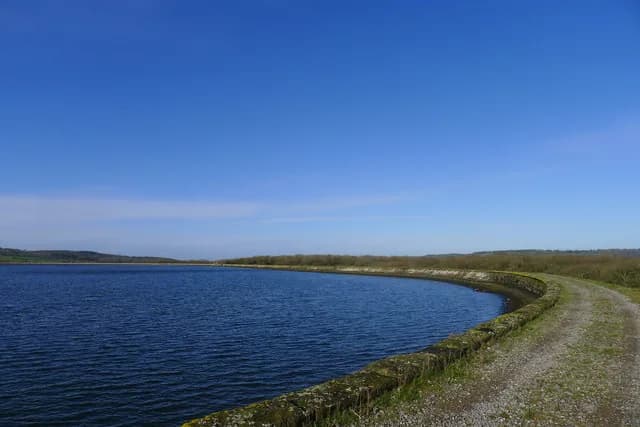
Three small concrete-walled drinking-water reservoirs at Barrow Gurney, twenty minutes from Bristol — the practical after-work fly water and, by some weeks, the first reservoir of the year. Tank No. 3 is the fly-only trout reservoir, stocked with rainbow and brown trout by Bristol Water; No. 1 is the coarse water. The fishing is short-session in character: a square, exposed sheet of water that swings hard on wind direction and water temperature, with fish that move through the day. Day permits and season permits through Bristol Water Fisheries; opens in late February, ahead of both Chew and Blagdon. Not the romantic option — but the right answer when you have three hours, no urge to spend two of them in the car, and a need to feel a trout pull line.
Surface temperature is high enough to cause stress even with thermal stratification. The oxythermal squeeze narrows the comfort band — the thermocline may have warmer water than ideal and the deep water may be low in oxygen. Fish only during the coolest windows (first light to mid-morning, late evening). When you do catch, keep the fish in the water, use barbless hooks, and release without lifting. Playing time must be minimal. If fish are struggling to recover after release, stop fishing.
- DepthDo not target trout — the comfort band has effectively collapsed. Even deep-holding fish are thermally stressed.
- TimingDo not fish for trout until temperatures drop. Welfare risk is unacceptably high.
Reasonable late spring fishing likely at Barrow Tanks
Useful ripple, fishable wave. Worth a session if the wind holds.
Conditions are not ideal but fishable at Barrow Tanks. The ripple should help fish move and feed more confidently. Evening can bring a surface rise — have a dry fly or emerger ready.
Conditions on the water
Some readings unavailable — check directly before fishing.
The brief
The plan
Start with Diawl Bach (12-14) — on the bob / top dropper — slow figure-of-eight retrieve. Rainbows respond to more active retrieves — try short strips between pauses. If that does not produce, switch depth or speed before changing the pattern entirely.
If fish refuse on top, drop to a buzzer under an indicator at different depths.
Keep an eye on changing conditions — wind shifts and cloud breaks can trigger short feeding spells.
Bank fishing near inflows, dam walls, and weed beds. Move to find feeding fish.
What's on, when
Numbers are intensity 0 (none) to 3 (peak) — a guide, not a guarantee.
Top pattern + the box
Why today scores what it does
- Wind conditions (ripple) closely match what this water fishes best in.
- High temperatures may push fish deeper and reduce surface activity.
Barrow Tanks, on the water
Field guide · contributor-editedWhat this water is
Three small concrete-walled drinking-water reservoirs at Barrow Gurney, twenty minutes from Bristol — the practical after-work fly water and, by some weeks, the first reservoir of the year. Tank No. 3 is the fly-only trout reservoir, stocked with rainbow and brown trout by Bristol Water; No. 1 is the coarse water. The fishing is short-session in character: a square, exposed sheet of water that swings hard on wind direction and water temperature, with fish that move through the day. Day permits and season permits through Bristol Water Fisheries; opens in late February, ahead of both Chew and Blagdon. Not the romantic option — but the right answer when you have three hours, no urge to spend two of them in the car, and a need to feel a trout pull line.
- Reservoir
- Limestone
How to get to the water
Where the rules change
- Troutlate February → mid-November
Barrow Tanks
Three small concrete-walled drinking-water reservoirs at Barrow Gurney, twenty minutes from Bristol — the practical after-work fly water and, by some weeks, the first reservoir of the year.
Surface temperature is high enough to cause stress even with thermal stratification. The oxythermal squeeze narrows the comfort band — the thermocline may have warmer water than ideal and the deep water may be low in oxygen. Fish only during the coolest windows (first light to mid-morning, late evening). When you do catch, keep the fish in the water, use barbless hooks, and release without lifting. Playing time must be minimal. If fish are struggling to recover after release, stop fishing.
- DepthDo not target trout — the comfort band has effectively collapsed. Even deep-holding fish are thermally stressed.
- TimingDo not fish for trout until temperatures drop. Welfare risk is unacceptably high.
Reasonable late spring fishing likely at Barrow Tanks
Useful ripple, fishable wave. Worth a session if the wind holds.
Conditions are not ideal but fishable at Barrow Tanks. The ripple should help fish move and feed more confidently. Evening can bring a surface rise — have a dry fly or emerger ready.
Some readings unavailable — check directly before fishing.
A reasonable day here, though temperature isn't quite in the sweet spot.
Start with Diawl Bach (12-14) — on the bob / top dropper — slow figure-of-eight retrieve. Rainbows respond to more active retrieves — try short strips between pauses. If that does not produce, switch depth or speed before changing the pattern entirely.
If fish refuse on top, drop to a buzzer under an indicator at different depths.
Keep an eye on changing conditions — wind shifts and cloud breaks can trigger short feeding spells.
Bank fishing near inflows, dam walls, and weed beds. Move to find feeding fish.
- Wind conditions (ripple) closely match what this water fishes best in.
- High temperatures may push fish deeper and reduce surface activity.
Numbers are intensity 0 (none) to 3 (peak) — a guide, not a guarantee.
Three small concrete-walled drinking-water reservoirs at Barrow Gurney, twenty minutes from Bristol — the practical after-work fly water and, by some weeks, the first reservoir of the year. Tank No. 3 is the fly-only trout reservoir, stocked with rainbow and brown trout by Bristol Water; No. 1 is the coarse water. The fishing is short-session in character: a square, exposed sheet of water that swings hard on wind direction and water temperature, with fish that move through the day. Day permits and season permits through Bristol Water Fisheries; opens in late February, ahead of both Chew and Blagdon. Not the romantic option — but the right answer when you have three hours, no urge to spend two of them in the car, and a need to feel a trout pull line.
- Reservoir
- Limestone
- Troutlate February → mid-November
Three small concrete-walled drinking-water reservoirs at Barrow Gurney, twenty minutes from Bristol — the practical after-work fly water and, by some weeks, the first reservoir of the year. Tank No. 3 is the fly-only trout reservoir, stocked with rainbow and brown trout by Bristol Water; No. 1 is the coarse water. The fishing is short-session in character: a square, exposed sheet of water that swings hard on wind direction and water temperature, with fish that move through the day. Day permits and season permits through Bristol Water Fisheries; opens in late February, ahead of both Chew and Blagdon. Not the romantic option — but the right answer when you have three hours, no urge to spend two of them in the car, and a need to feel a trout pull line.