- Ecology: High
- Chemical: Unknown
WFD classification · FI71_100_006
Set up a broadside drift and cover the water systematically. Work a bushy searching pattern on the bob and drop a contrasting nymph on the point. Keep a sedge-style dry or emerger on a short leader for the evening rise.
If the main plan is not working, switch to a smaller, more imitative pattern fished slower and deeper. A change of drift angle can also make a difference.
Evening tends to be the best period in summer — stay late if you can for a sedge or spinner fall.
A gentle ripple is ideal for drifting — broadside drift covering the wind lanes should be productive.
Hatch predictions
Top nymph shown — see all 4 guilds with Pro.
Start free trial14-day free trial. Cancel anytime.
Hatch predictions
Top prey shown — see all 5 with Pro.
Start free trial14-day free trial. Cancel anytime.
Numbers are intensity 0 (none) to 3 (peak) — a guide, not a guarantee.
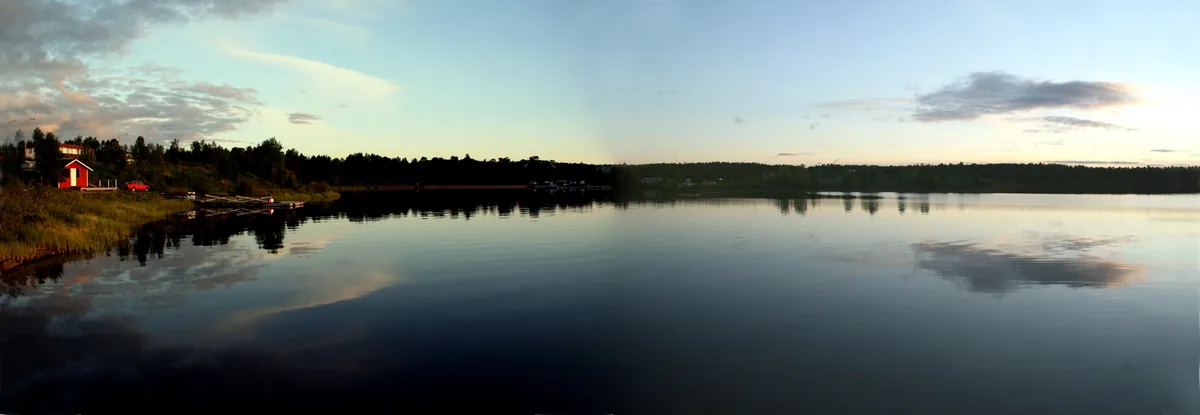
A good match for Lake Inari — most conditions are close to what it fishes best in.
WFD classification · FI71_100_006
Arctic Lapland grayling north of 67°N: Year-round protection on some Arctic grayling populations. Lake Inari has specific regulations to protect Arctic char and grayling. July–August fishing typically restricted. Check eraluvat.fi for annual updates and local Inari regulations.
Rules differ by water type — check the local regulations.
Prime sport 1 July → 31 August
Lake Inari's Arctic char populations are subject to Finland's lake-specific byelaw with Arctic Lapland protections (north of 67°N). Some char populations have year-round protection; others have summer windows. Spawning closures typically mid-September through November. Check Metsähallitus or eraluvat.fi for current Inari regulations before fishing.
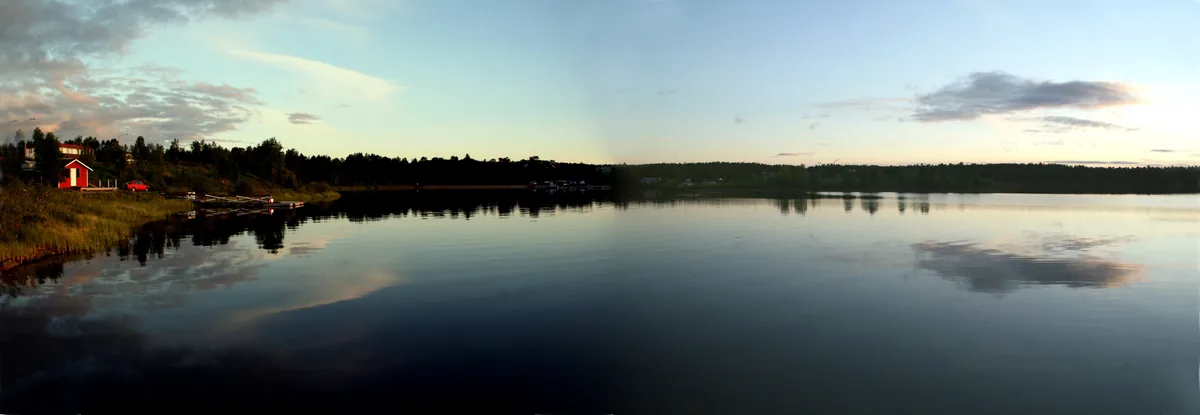
Set up a broadside drift and cover the water systematically. Work a bushy searching pattern on the bob and drop a contrasting nymph on the point. Keep a sedge-style dry or emerger on a short leader for the evening rise.
If the main plan is not working, switch to a smaller, more imitative pattern fished slower and deeper. A change of drift angle can also make a difference.
Evening tends to be the best period in summer — stay late if you can for a sedge or spinner fall.
A gentle ripple is ideal for drifting — broadside drift covering the wind lanes should be productive.
Hatch predictions
Top nymph shown — see all 4 guilds with Pro.
Start free trial14-day free trial. Cancel anytime.
Hatch predictions
Top prey shown — see all 5 with Pro.
Start free trial14-day free trial. Cancel anytime.
Numbers are intensity 0 (none) to 3 (peak) — a guide, not a guarantee.
A good match for Lake Inari — most conditions are close to what it fishes best in.
WFD classification · FI71_100_006
Arctic Lapland grayling north of 67°N: Year-round protection on some Arctic grayling populations. Lake Inari has specific regulations to protect Arctic char and grayling. July–August fishing typically restricted. Check eraluvat.fi for annual updates and local Inari regulations.
Rules differ by water type — check the local regulations.
Prime sport 1 July → 31 August
Lake Inari's Arctic char populations are subject to Finland's lake-specific byelaw with Arctic Lapland protections (north of 67°N). Some char populations have year-round protection; others have summer windows. Spawning closures typically mid-September through November. Check Metsähallitus or eraluvat.fi for current Inari regulations before fishing.